
What are marine communities?
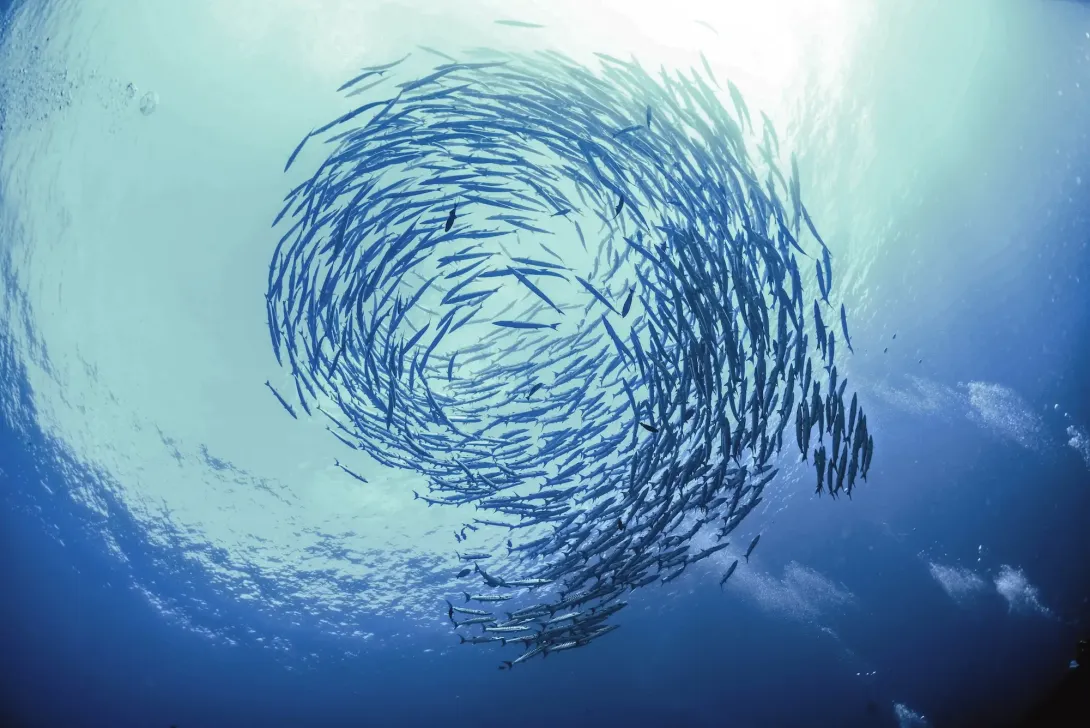
"Marine communities" refers to all the organisms found in a specific area of the ocean that interact with each other. This spans different groups, including everything from bacteria and algae to animals.
Marine communities play vital roles in their ecosystems and in our oceans generally. They support a rich biodiversity, which in turn makes ecosystems more productive and more resilient to environmental stresses and climate change. The different communities are also highly interconnected. For example, some ecosystems provide shelter for the early life stages of species from completely different marine communities.
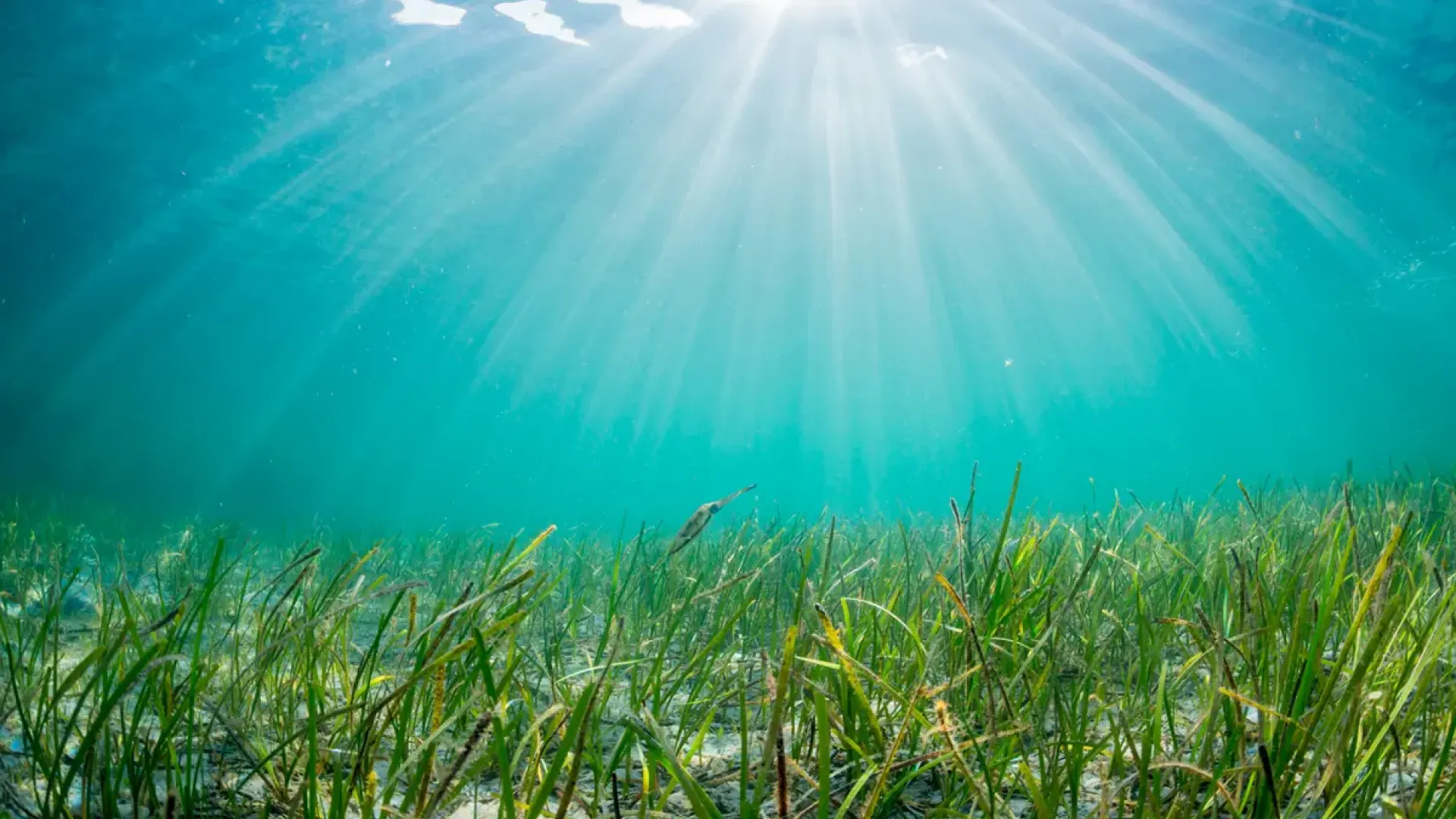
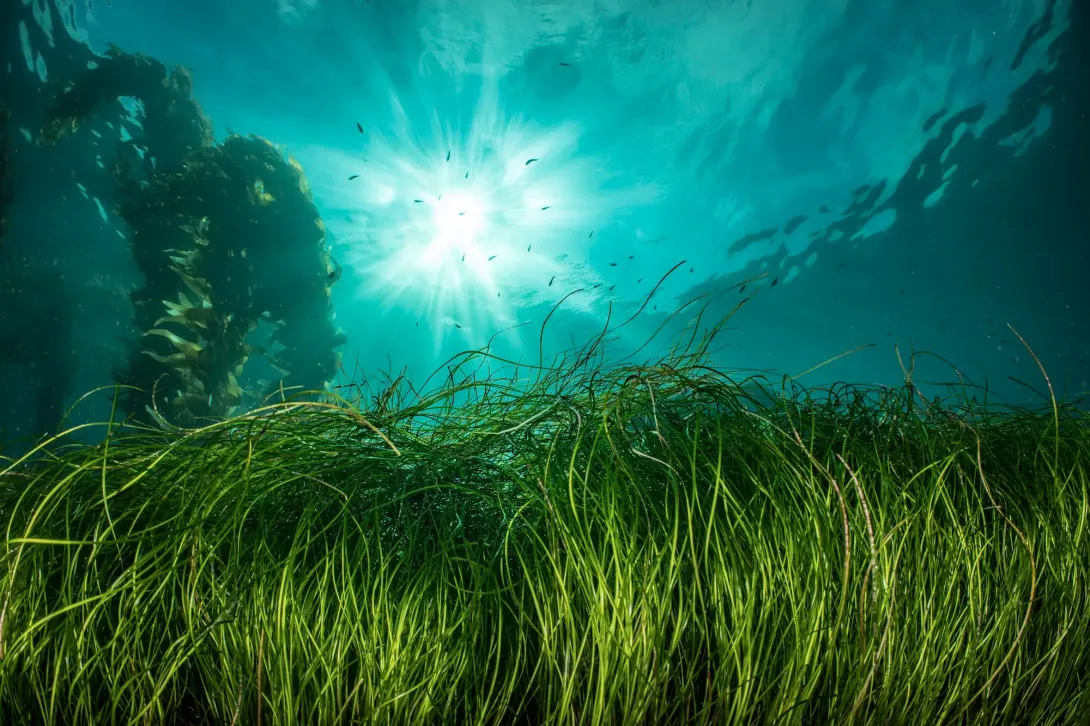
Marine communities also help regulate our climate by producing oxygen and absorbing carbon dioxide. Plus, ecosystems like mangroves and seagrass meadows provide vital coastal protection from erosion. Humans also benefit directly from marine communities for mineral extraction, fisheries, and recreational activities, and some are even of deep cultural importance.
What factors shape marine communities?
All sorts of factors shape these communities: food availability, currents, sunlight, temperature, depth, salinity, nutrients, and even the type of sediment, amongst many others. These factors create different habitats, and all this variability together contributes to the overall biodiversity of the ocean.
How does biodiversity vary across different ocean environments?
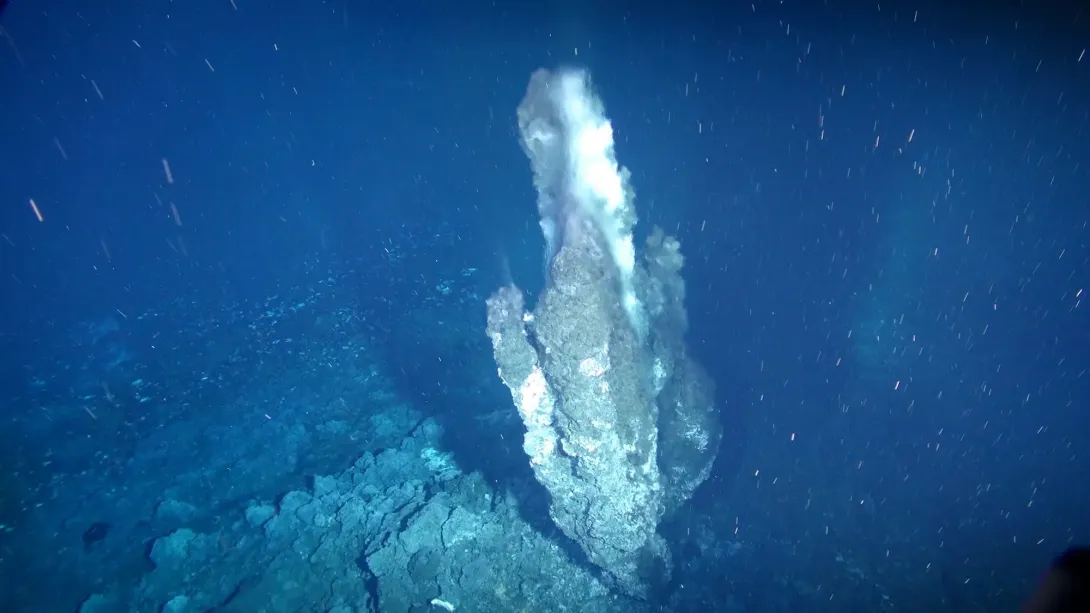
Biodiversity varies a lot depending on the environment. Highly dynamic places, like the intertidal zone or deep-sea hydrothermal vents, might have fewer types of species, but the ones they do have are often unique to that specific spot. In contrast, more stable environments, like the abyssal plains, are known for having many different species, but often in low numbers.
Biodiversity is absolutely essential for the processes that support life on Earth. But, it remains largely undersampled, and we know there are thousands of marine species still waiting to be discovered.
Threats and Research Importance
Marine communities are threatened by climate change and human (anthropogenic) disturbances. These threats can lead to biodiversity loss and changes to the community, which can in turn affect how ecosystems work and the services they provide.
To understand the impact of these changes, we first need a sound understanding of the "baseline." This simply means having a clear picture of the composition and functioning of marine communities, including their natural variability across space and time.
Many coastal ecosystems, especially in the Northern Hemisphere, are well studied just because they're close and relatively easy to access. But the open ocean and deep-sea communities are still poorly understood due to their remoteness and the challenges of access. As a result, hundreds of new species are still being discovered there every year.
Considering the accelerated rates of species extinction, it's vital that we explore these ecosystems now. We need to understand how they function, and how they contribute to climate regulation and other services, before they get disrupted without us even noticing.
What technology does NOC use for this research?
NOC uses state-of-the-art tools to investigate marine communities, from world-class research vessels and remotely or autonomously operated vehicles to advanced instruments like the Robotic Cartridge Sampling Instrument (RoCSI) and the Imaging FlowCytobot (IFCB). These platforms work alongside a wide array of sensors that capture samples, imagery and environmental data from the seafloor to the surface.
New analytical techniques are transforming how we interpret that information. Environmental DNA (eDNA) allows scientists to detect species and metabolic processes simply from water samples - offering a powerful way to monitor changing ecosystems or identify invasive species. Meanwhile, machine learning helps process the huge volume of imagery collected at sea. Instruments such as the IFCB can capture thousands of individual phytoplankton images in near real-time, building a rich picture of the microscopic life that underpins the ocean food web.
Research Discoveries
The characterisation and study of marine communities have given us a deeper understanding of the processes shaping biodiversity in our oceans.
For instance, the deep sea was once thought to be a stable, unchanging environment. But, several different research projects have found clear evidence of seasonality, even on the deep seafloor.
Extensive datasets have also provided insight into processes driving species distributions in vast ecosystems, such as abyssal plains that span thousands of kilometres. In those areas, the carbonate compensation depth seems to act as a barrier. It prevents microorganisms and animals that have hard skeletal structures made from calcium carbonate (like diatoms, coccolitophores, sea lilies, snails, and hard corals) from living beyond that depth. These groups are then replaced by animals without carbonated skeletons, such as anemones and glass sponges.
These insights demonstrate that climate change could have a significant impact on biological communities, by altering the very biogeochemical processes that regulate deep ecosystems.