

Why are microplastics a global concern?
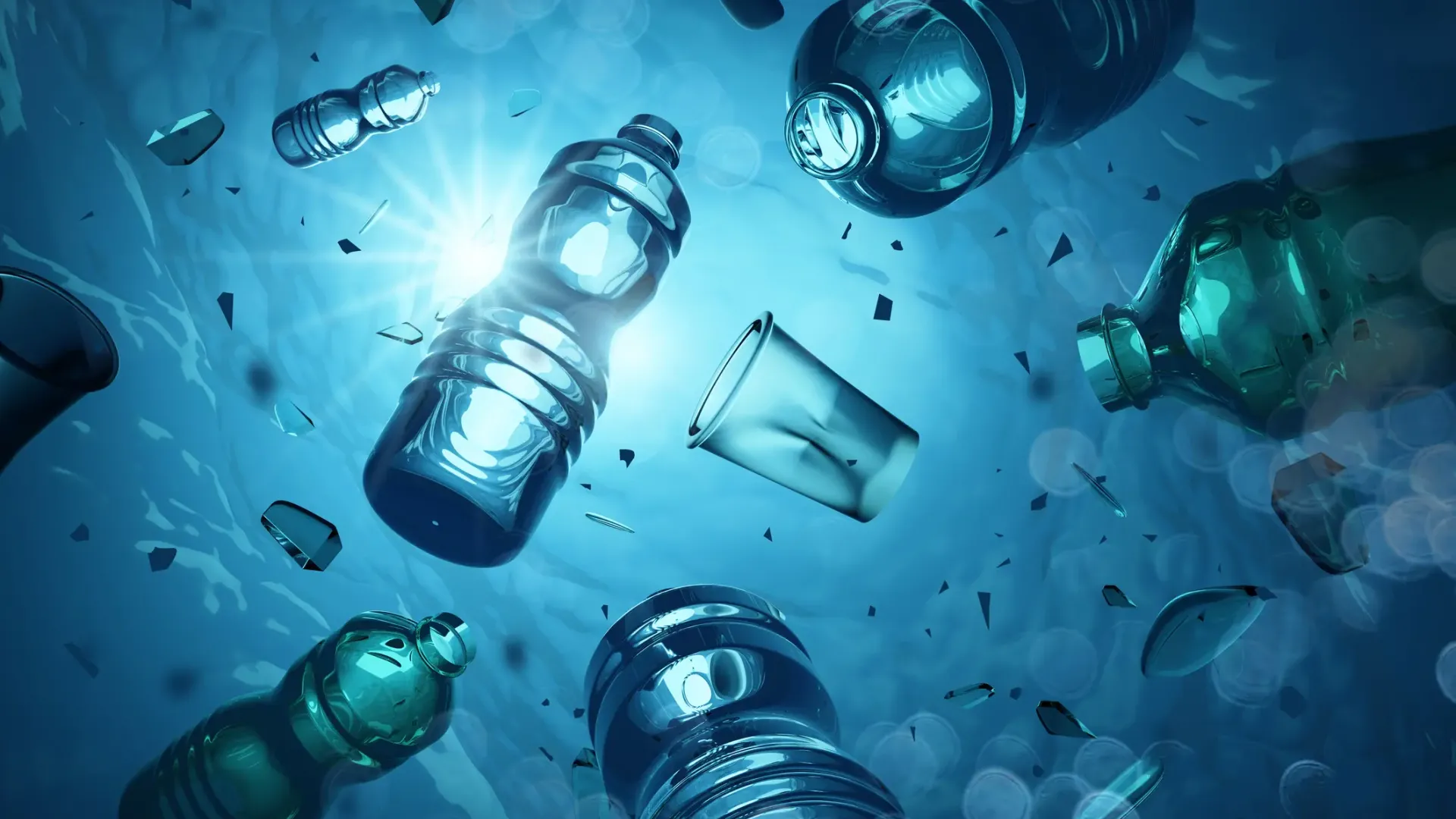
The ocean is the final destination for much of the world’s plastic waste. But most marine plastics are not the bottles and bags we can see. As plastic breaks down, it fragments into microplastics (1 to 1000 micrometres in size) and nanoplastics (smaller than 1 micrometre in size), making them harder to detect and understand. These invisible particles disperse through the water column and eventually settle on the deep seafloor.
Despite growing awareness, these microscopic pollutants remain poorly quantified and characterised in the marine environment. That means we still lack the full picture of the scale of this pollution, how microplastics move to and through the ocean, and what impacts they might have on ecosystems and human health now and in the future.
It is estimated that more than 200 million tonnes of plastics are already in the ocean
Between 10-20 million tonnes of plastics added every year.
What are the risks of microplastics?
The risk posed by plastic pollution depends on how much is out there, what is it, where it travels, how long it persists, and how harmful it is to organisms exposed to it.
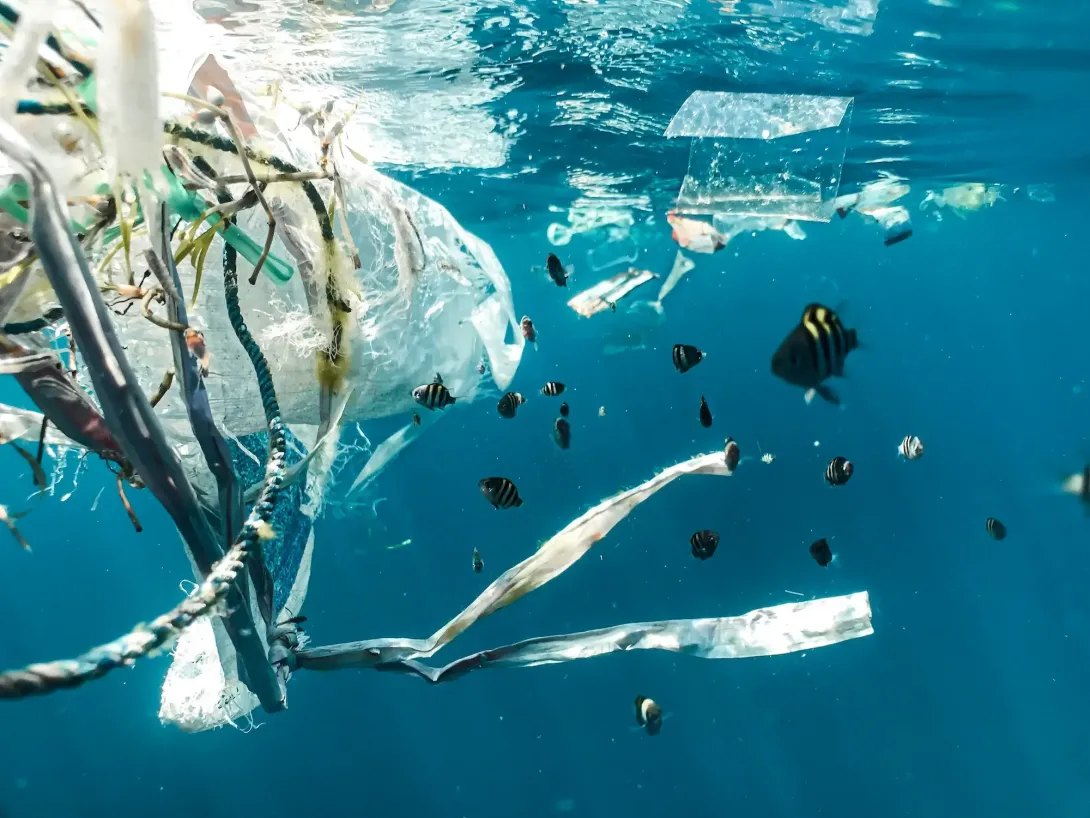
Microplastics are now found even in the most remote parts of the ocean, and in the bodies of marine organisms at every level of the food chain. Their effects are complex and still being uncovered and may include:
- Physical damage to marine life from ingestion
- Toxic effects from the plastics themselves or the pollutants they carry
- Disruption of food webs and ecosystems
- Harm to humans through seafood consumption
- Disruption to the biological carbon pump which moves CO2 from the upper ocean to depth
Understanding the amount, type, movement and fate of these particles is critical if we are to predict their environmental impact and plan effective responses.
How and where do we collect samples?
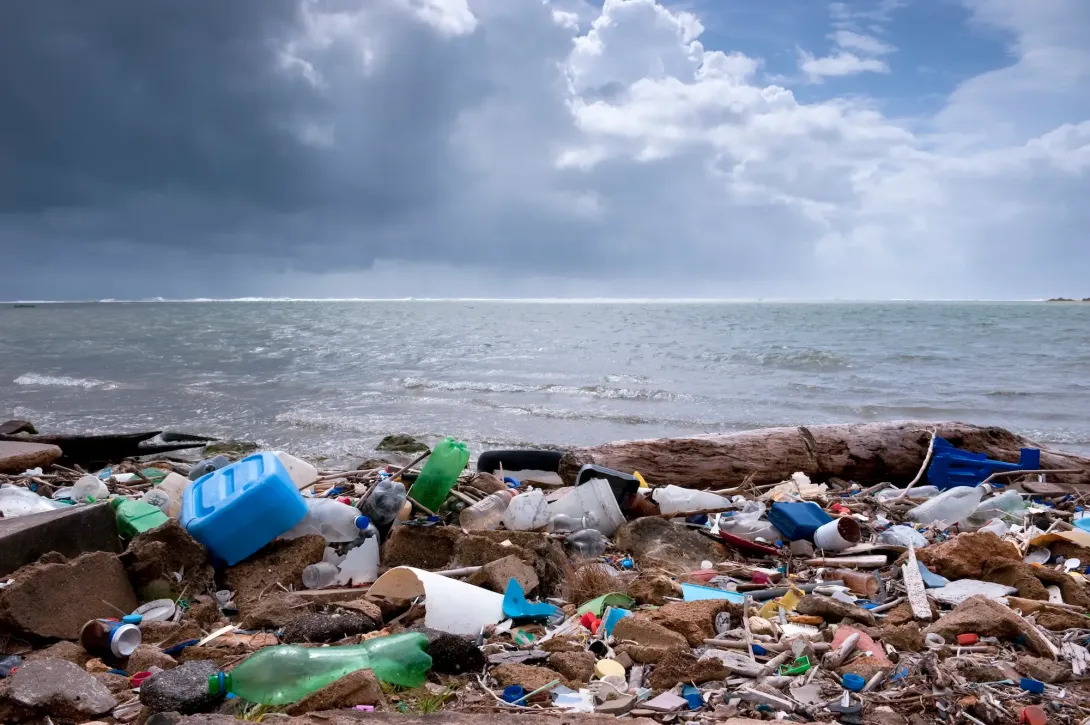
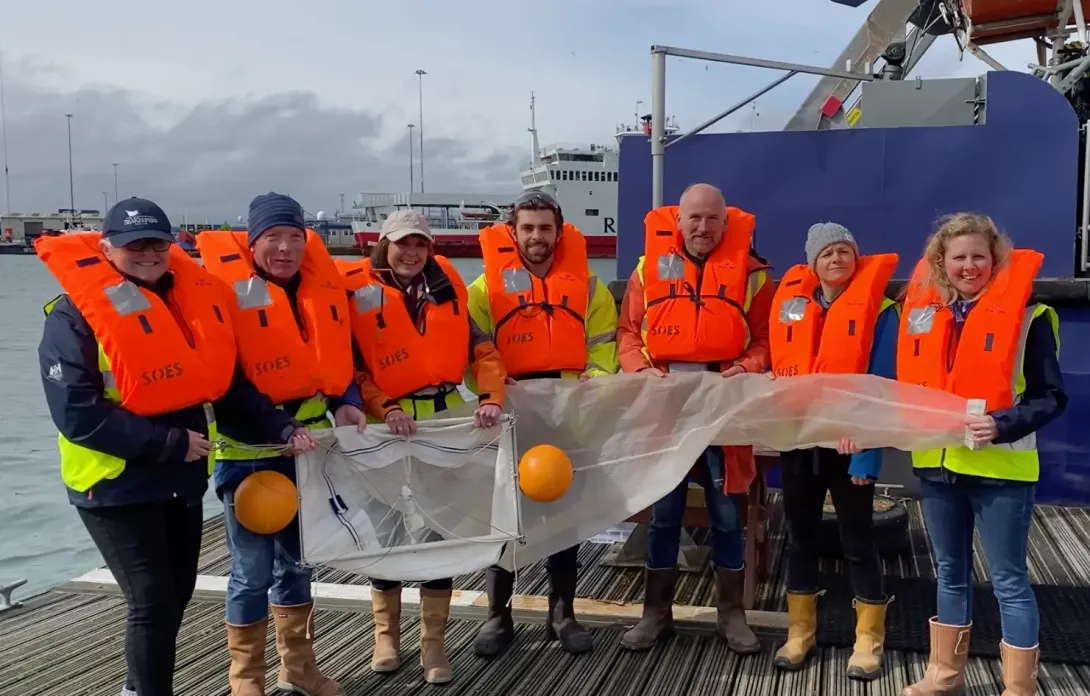
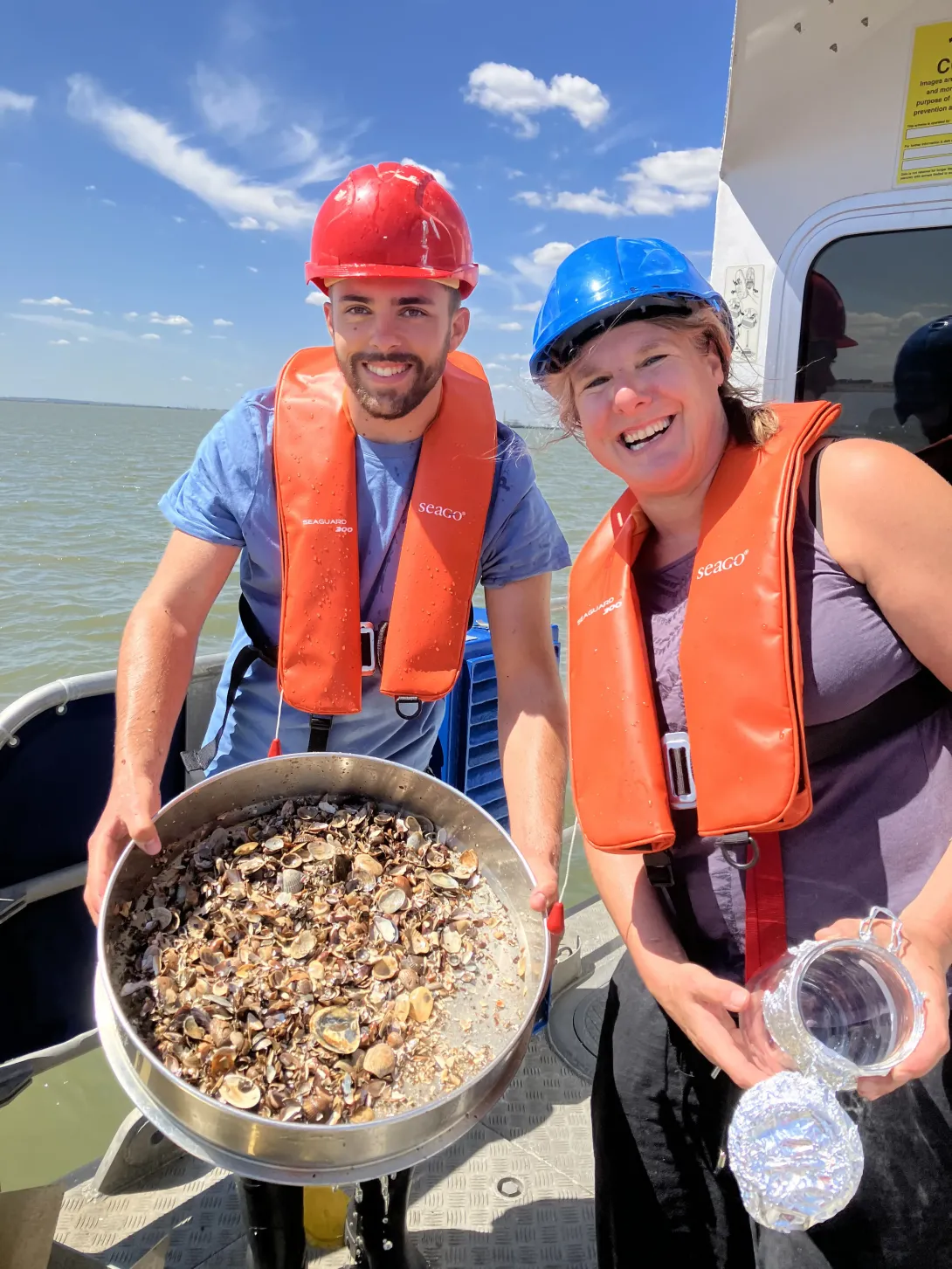
We collect microplastics from rivers, estuaries, coastal zones, underwater canyons, the open ocean, and even the atmosphere. Our sampling covers a wide range of environments and media, including; water, sediment, snow, ice, and marine organisms.
Sampling tools include:
Surface nets: collect larger microplastics (>250 micrometres) along with organisms like zooplankton to study exposure and ingestion.
Surface pumps: filter hundreds of litres of water in the surface of rivers and the ocean to collect particles down to 10 microns. Stand-alone pumps (SAPs): filter hundreds of litres of seawater at various depths to collect very small particles down to 1 micron.
Moored sediment traps: positioned 3,000 metres deep for a year at a time, capturing plastic particles sinking through the water column and tracking seasonal changes in their sedimentations and links to carbon sequestration.
Sediment cores: capture vertical layers of ocean floor sediment, allowing us to track long-term plastic accumulation and collect bottom-dwelling organisms for interaction studies.
How do we analyse microplastic samples?
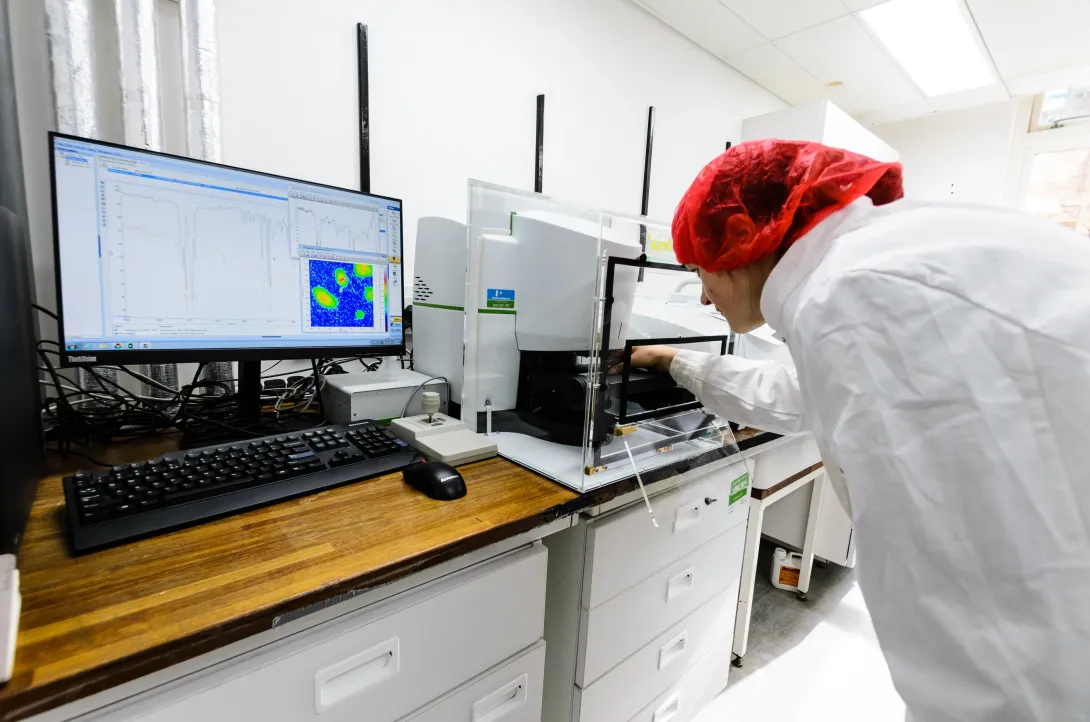
Microplastics vary in shape, size, and chemical composition. NOC uses advanced tools to detect, characterise, and study them.
Our microplastics analyser is a cutting-edge Fourier Transform Infrared (FTIR) Imaging System, which combines microscopy imaging with infrared spectroscopy. This allows us to:
- Identify the type of plastic
- Measure the size and shape of particles
- Detect plastics as small as 10 micrometres
All samples are prepared and analysed in a dedicated ISO Class 5 clean laboratory, minimising contamination and ensuring the integrity of results.
Research Outcomes
This landmark paper by the NOC scientists revealed that most of the marine plastic load is neither visible nor is floating in the surface ocean. Instead, plastics break down into smaller, previously unmeasured size class, and disperse into the ocean interior. The study highlighted that the plastic inputs to and loads in the ocean are likely to be much higher than currently estimated.
View PaperThis study showed that thermohaline-driven currents, which build extensive seafloor sediment accumulations, can control the distribution of microplastics and create hotspots with the highest concentrations reported for any seafloor setting.
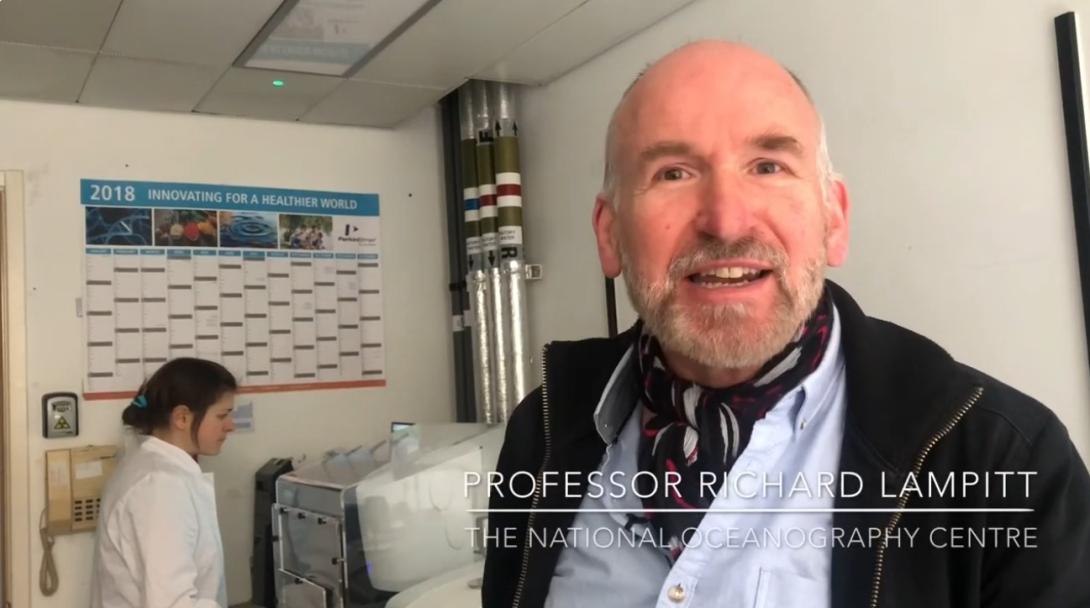
View PaperA workshop to develop societal approaches to plastics led to the conclusion that it was essential that natural scientists, policy makers, business leaders and social scientists work closely together. This was published in Nature in 2023 with Richard Lampitt as first author.
View Paper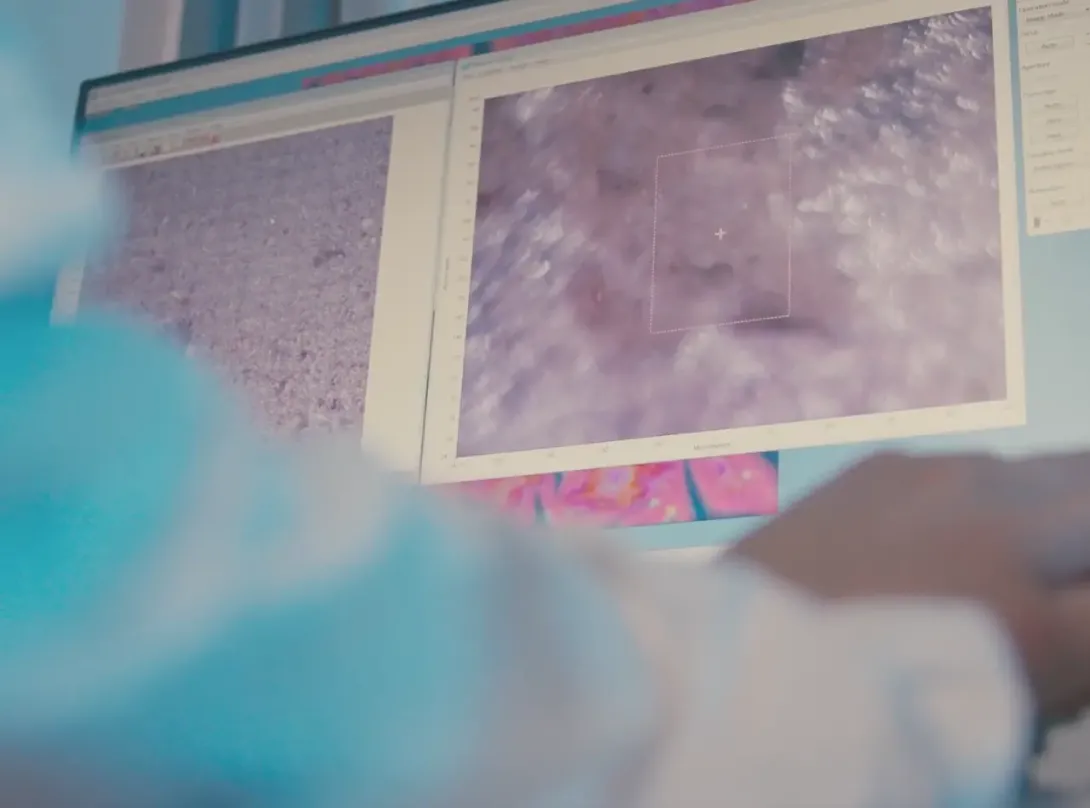
Videos
Our recent publications on Microplastics
Keavney, Ed  ORCID: https://orcid.org/0000-0002-2390-3339; Kane, Ian A.; Clare, Michael A. ORCID: https://orcid.org/0000-0003-1448-3878; Hodgson, David M.; Huvenne, Veerle A.I. ORCID: https://orcid.org/0000-0001-7135-6360; Sumner, Esther J.; Peakall, Jeff; Mienis, Furu; Kranenburg, Jonathan.
2025
The combined role of near-bed currents and sub-seafloor processes in the transport and pervasive burial of microplastics in submarine canyons.
Journal of the Geological Society.
10.1144/jgs2024-228
ORCID: https://orcid.org/0000-0002-2390-3339; Kane, Ian A.; Clare, Michael A. ORCID: https://orcid.org/0000-0003-1448-3878; Hodgson, David M.; Huvenne, Veerle A.I. ORCID: https://orcid.org/0000-0001-7135-6360; Sumner, Esther J.; Peakall, Jeff; Mienis, Furu; Kranenburg, Jonathan.
2025
The combined role of near-bed currents and sub-seafloor processes in the transport and pervasive burial of microplastics in submarine canyons.
Journal of the Geological Society.
10.1144/jgs2024-228
2025
Article
Chen, Peng ORCID: https://orcid.org/0000-0001-7378-860X; Kane, Ian A.; Clare, Michael A. ORCID: https://orcid.org/0000-0003-1448-3878; Soutter, Euan L.; Mienis, Furu; Wogelius, Roy A.; Keavney, Edward.
2025
Direct evidence that microplastics are transported to the deep sea by turbidity currents.
Environmental Science & Technology, 59 (14).
7278-7287.
10.1021/acs.est.4c12007
2025
Article
Butement, Jonathan T.; Wang, Xiang; Siracusa, Fabrizio; Miller, Emily; Pabortsava, Katsiaryna ORCID: https://orcid.org/0000-0002-9808-012X; Mowlem, Matthew; Spencer, Daniel; Morgan, Hywel.
2024
Discrimination of microplastics and phytoplankton using impedance cytometry.
ACS Sensors.
10.1021/acssensors.4c01353
2024
Article
Skalska, Karolina; Ockelford, Annie; Ebdon, James; Cundy, Andrew; Horton, Alice A. ORCID: https://orcid.org/0000-0001-6058-6048.
2024
Spatio-temporal trends in microplastic presence in the sediments of the River Thames catchment (UK).
Marine Pollution Bulletin, 207, 116881.
10.1016/j.marpolbul.2024.116881
2024
Article
Sharing knowledge
At NOC, we share our findings through education, media, public talks, and global collaboration. Our research has featured in over 200 media outlets and continues to shape public awareness and policy.
Recent highlights include:
Microplastics Symposium, Southampton (2024) -Talk: "Sinking plastic snow, how microplastics get to the deep ocean" -Workshop: "Microplastics extraction from environmental samples"
International Marine Debris Data Harmonization Workshop, Yokohama (2023)
Contribution to Princess Olivia Investigates the Sea of Plastic by Lucy Hawking (Penguin, 2023)
Feature on BBC2’s Great Coastal Railway Journeys with Richard Lampitt and Katsia Pabortsava (2022)
UKRI Impact Series Speaker: "How much plastic is in the ocean?" (2021)
Exhibitor at Commonwealth Heads of Government Meeting, Royal Society (2019)
Membership of The Sustainable Plastics Policy Commission (Richard Lampitt) chaired by Baroness Meacher to develop policy recommendations (2024) which have now been presented to the UK government.
Learn more
NOC’s microplastics research spans the full scale, depth and complexity of our Ocean, investigating sources of plastic pollution on land, their transport to the Ocean and from its surface to seafloor, from Arctic snow to the South Pacific. Our work helps expose the true scale of plastic pollution, informs international action, and supports a cleaner, healthier ocean for future generations.