
How is climate change affecting marine ecosystems?
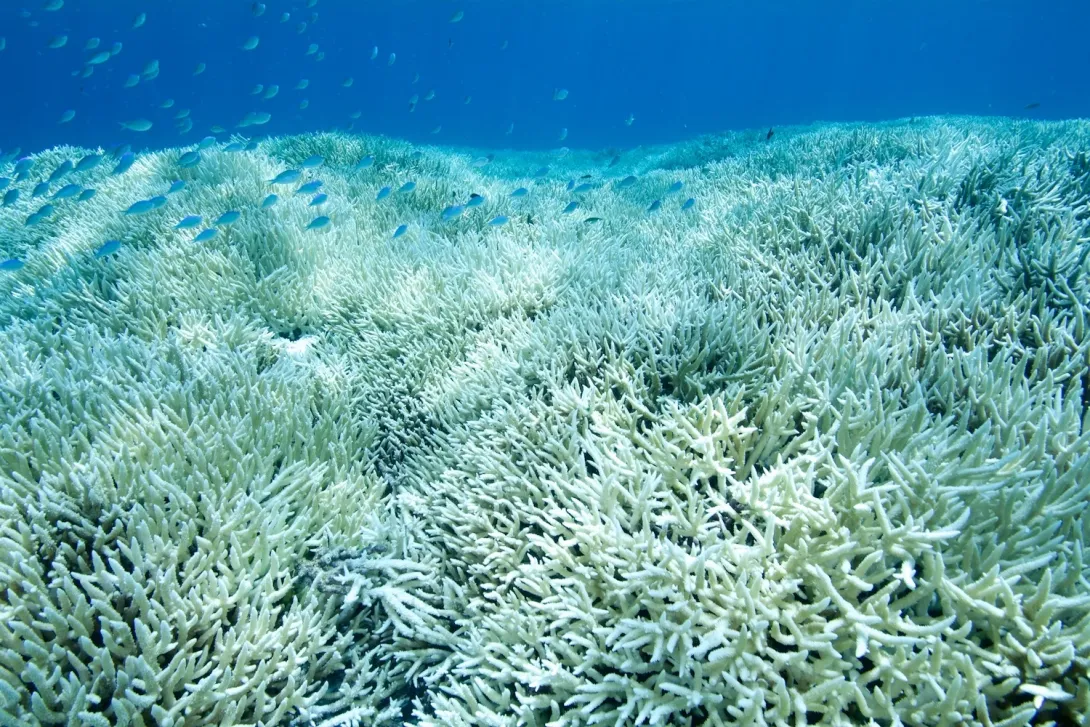
Climate change is causing widespread and increasingly severe impacts on marine ecosystems. The evidence ranges from mass coral bleaching to the decline of ice-dependent species in the rapidly changing Arctic.
The combination of warming ocean temperatures, frequent marine heatwaves, acidification, deoxygenation, and altered circulation and mixing patterns exposes marine life to unprecedented stresses. This often leads to biodiversity loss and the restructuring of entire food webs. In coastal zones, rising sea levels and heightened storm events further threaten habitats and the human communities that depend on them.
What's needed to understand these impacts comprehensively?
To understand these impacts fully, we need to integrate knowledge of marine physics and biogeochemistry. These are the disciplines that underpin how climate change modifies ocean conditions. We also need expertise on ecosystem sensitivities to these changes.
Progress in this field depends on diverse observation methods. This encompasses both in situ (on-site) measurements and satellite-based monitoring, which reveal emerging signs of climate-related damage in marine environments. Reliable ocean and ecosystem models are also critical. Their projections under different emissions pathways inform our expectations of how climate change will affect marine ecosystems in the coming decades.
Why is research into climate change impacts on marine ecosystems important?
Research into climate change impacts on marine ecosystems is fundamental for safeguarding ocean health, global climate stability, and human well-being. Healthy marine ecosystems provide food security, support communities and livelihoods, regulate climate by sequestering carbon, and protect coastlines from storms and erosion.
Critically, recognising the severity and urgency of climate threats accelerates ambitious mitigation efforts. This is especially true for emission reduction. It also enables informed adaptation through science-based policy and conservation.
What would happen without this research?
Without continued research, society risks losing these essential ecosystem services. We could face declines in seafood supply, increased coastal risks, and weakened climate regulation.
More than their practical benefits, marine ecosystems also possess intrinsic value. Their biodiversity and complex communities have worth independent of direct human benefit, enriching planetary health and cultural identity. Neglecting research would undermine both these services and intrinsic values, escalating biodiversity loss and triggering consequences that reach beyond human societies.
Research
NOC conducts cutting-edge research on climate change impacts across marine ecosystems, spanning from deep benthic habitats to plankton communities.
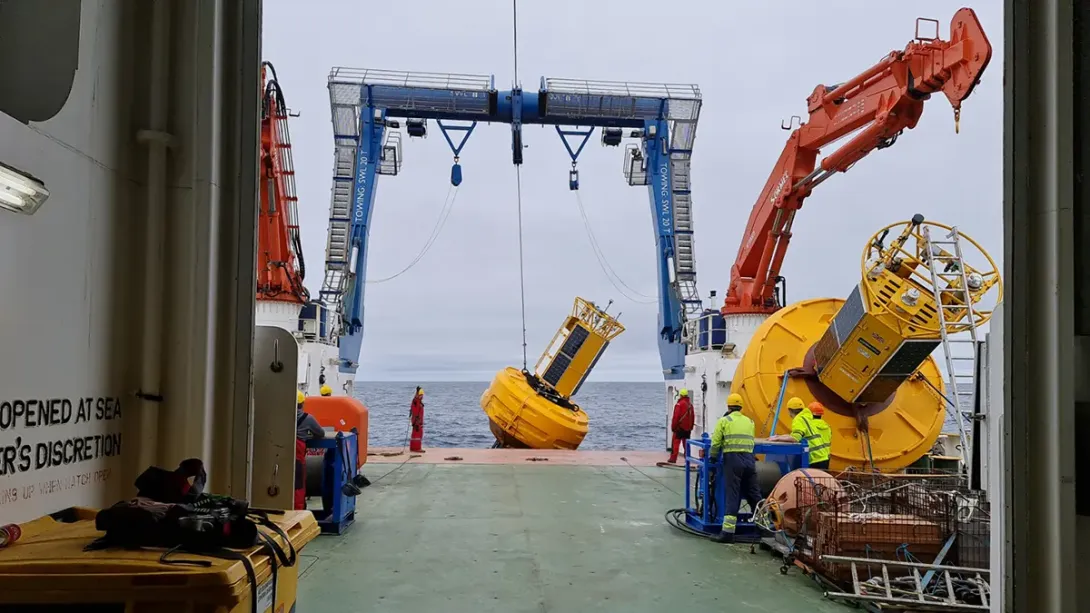
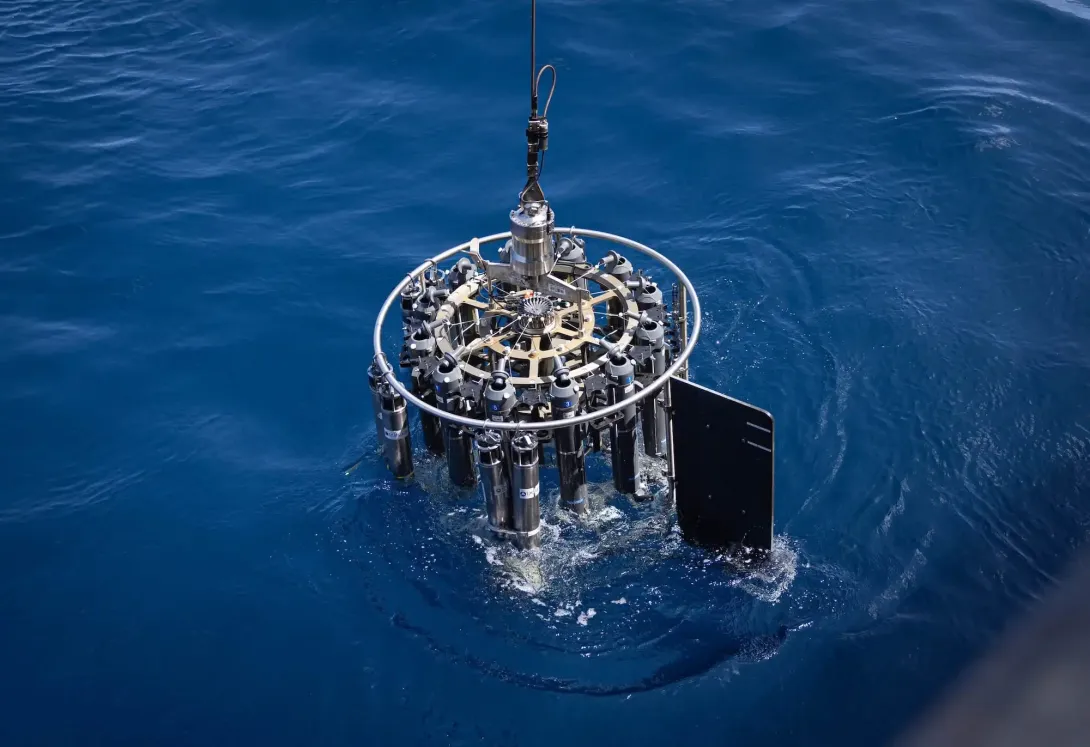
Our work integrates in situ observations collected by research ships and from long-term observatories, such as the Porcupine Abyssal Plain Sustained Observatory.
We combine this with cutting-edge technologies, including lab-on-chip sensors and autonomous marine platforms. These enhance data collection efficiency across remote and harsh ocean environments.
NOC's multidisciplinary approach combines these observational data with advanced ocean and ecosystem models. This helps us understand how warming, deoxygenation, acidification, and shifting circulation and mixing patterns affect ecosystem health and resilience. This research integrates observational data and advanced modelling to understand and predict the potential severity and wide-ranging impacts of climate change on marine ecosystems. It highlights risks of ecosystem degradation, loss of biodiversity, and the disruption of ocean functions essential for climate regulation and human well-being.
Outcomes
Research at NOC has produced tangible outcomes fundamental to protecting and restoring marine ecosystems amid climate change.
Our findings inform the establishment and adaptive management of Marine Protected Areas (MPAs). These are crucial for conserving biodiversity and ecosystem services in a changing ocean. We assess the environmental impacts of human activities in marine spaces, helping decision-makers balance development pressures against ecosystem protection.
Our research quantifies forthcoming changes in marine communities, supporting adaptive strategies to mitigate and respond to these impacts.
NOC contributes to influential scientific assessments. This includes IPCC and IPBES reports and the Foresight Policy Briefs of the European Marine Board, which guide global and regional policies.
We support international agreements such as the High Seas Treaty (formally the BBNJ Agreement), a landmark UN treaty protecting marine biodiversity beyond national jurisdiction.
Through integrated observations, models, and socio-economic data, NOC research shapes evidence-based policies. These policies are essential for sustaining ocean health, climate resilience, and the livelihoods that depend on marine ecosystems.
How does NOC communicate this research to the public?
We communicate our research widely. We do this not only through scientific papers and conferences but also by engaging the general public via open events, media interviews, and online open courses and podcasts freely accessible worldwide.
Our public engagement efforts include cutting-edge innovations such as augmented reality apps, interactive demonstrations, and art forms that bring marine science to life. By connecting people directly with the science behind marine ecosystems and climate change, we build awareness, support, and action to protect ocean health for current and future generations.
Our commitment extends beyond academia. We aim to make complex research meaningful and accessible to all. This includes collaborations with institutions such as the Royal College of Art and the development of Massive Open Online Courses (MOOCs) that make marine science education available worldwide.