

Delve Into the History of Marine Science and Exploration
NOC's history can be traced as far back as some of the first scientific expeditions of the early 20th century, and our origins are closely linked to a number of different marine science institutions, all sharing the same goals we strive to achieve today.
Our specially curated history pages explore some of the key moments not only in NOC's illustrious history, but the history of ocean exploration and marine science itself. We've also put together a timeline of the history of the organisation.
At a Glance: Our History
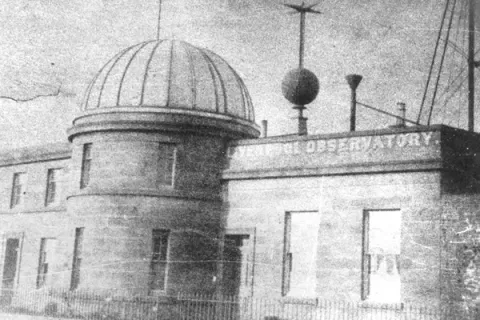
Liverpool Observatory Established
The Liverpool Observatory was established in 1843 and aimed to calculate the longitude and tides of the city of Liverpool to assist in the development of the port.
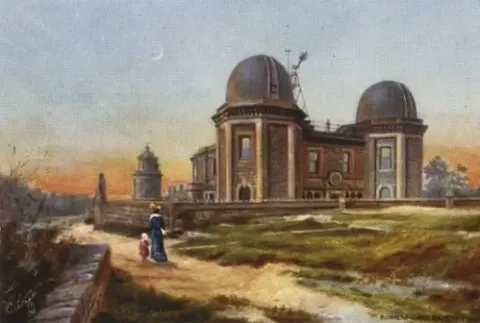
Bidston Observatory Built
Due to the expansion of Waterloo Dock, the Liverpool Observatory was relocated to Bidston Hill and an observatory was built alongside Bidston Lighthouse and Signal Station. Over time the Observatory’s work shifted from astronomy to other things, including tidal research.
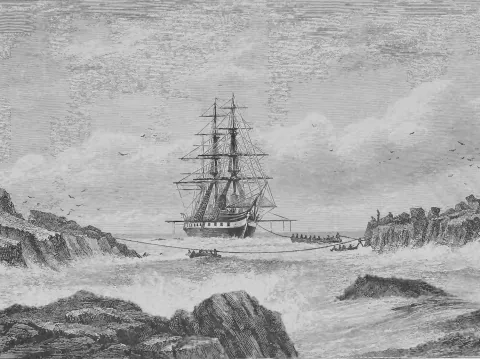
The Challenger Expedition: The Birth of Oceanography
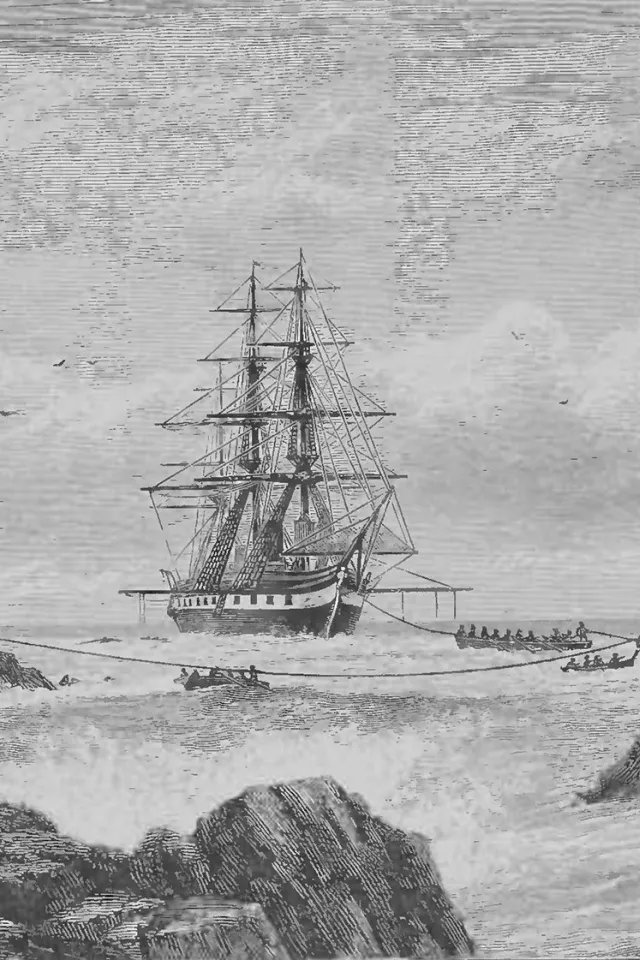
The Challenger expedition of 1872–1876 was a scientific programme that made many discoveries to lay the foundation of oceanography. A replica of its figurehead is housed in the reception of NOC’s Southampton site, and artefacts from the expedition are also present in the National Oceanographic Library.
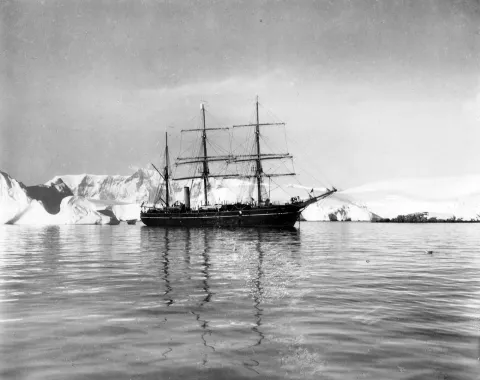
Scott's Discovery
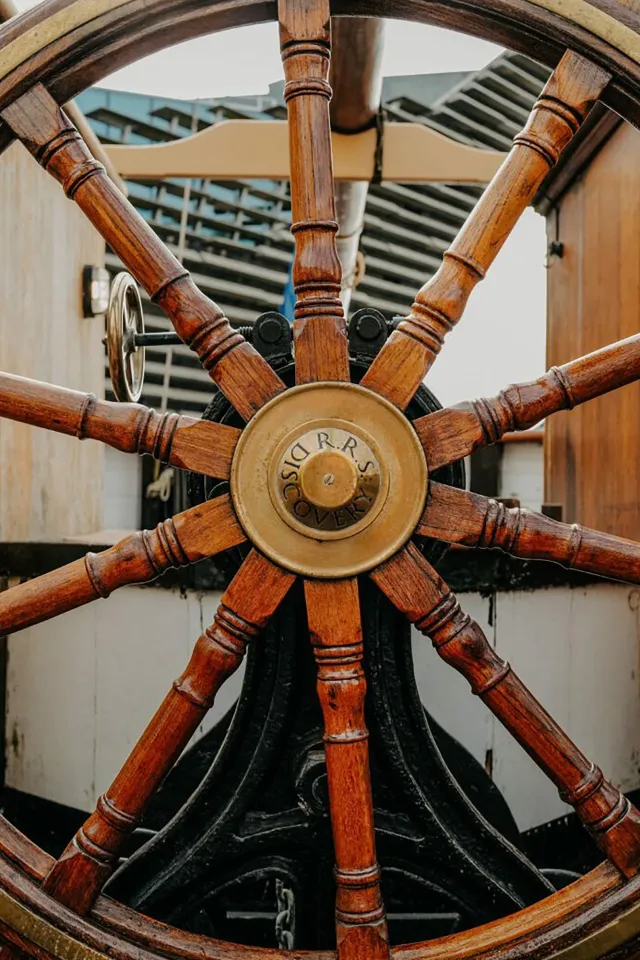
The first incarnation of the Discovery was launched from Dundee in 1901 as the first official British exploration of the Antarctic regions of the 20th century. Captained by Robert Falcon Scott, the expedition focused primarily on scientific research and was at sea until 1904.
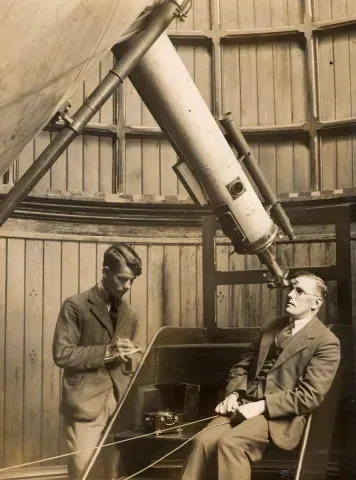
Liverpool Tidal Institute
The Liverpool University Tidal Institute was established, with Joseph Proudman as Director and Arthur Doodson as its Secretary. During its time the institute pioneered modern scientific study of tides and it rapidly acquired a worldwide reputation for tidal prediction.
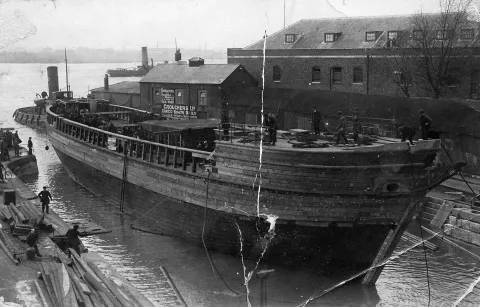
Discovery Designated as a Royal Research Ship
After an extensive refit, Discovery was designated as a Royal Research Ship and became the first of its kind. Shortly after it undertook the Discovery Investigations; a two-year expedition recording information on the ocean, marine life and whale populations. Some of the specimens collected are housed at NOC’s Discovery Collections today.
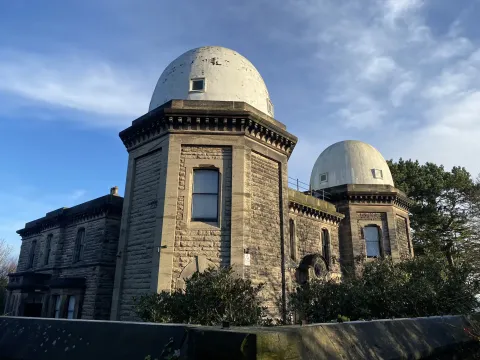
Two Institutes Merge
The Liverpool Observatory was merged with the Liverpool Tidal Institute, becoming a world-famous centre for sea level and tidal research based at Bidston Hill.
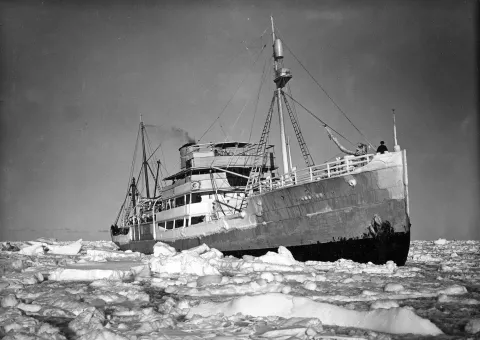
Discovery II Launched
RRS Discovery II, launched in Glasgow in 1929, continued research begun by the Discovery into whale populations and the chemical and hydrographical properties of the Southern Ocean.
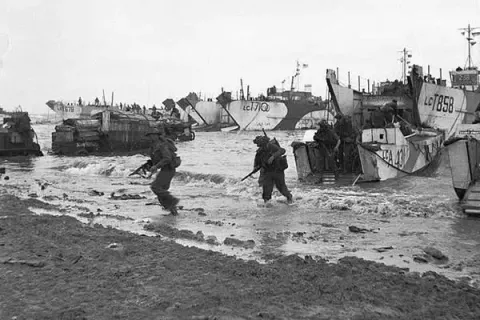
Tide Predicting Machines Play a Key Role in D-Day
The Bidston Kelvin and the Roberts Légé Tide Predicting Machines, housed at Bidston Observatory, were both used by the allies in World War Two to plan the D-Day landings. Their ability to predict tides and the conditions in Normandy were critical to the success of the operation.
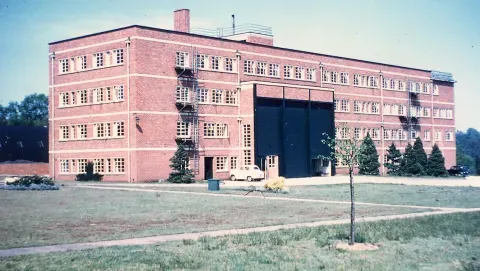
National Institute of Oceanography (NIO)
The National Institute of Oceanography (NIO) was formed in 1949 and afterward found a home in Wormley, Surrey. The NIO grew from the work of scientists working at Antarctic whaling stations and the complimentary voyages of Captain Scott’s Discovery and a small group of young scientists brought together during the war, to study how the movements of the waves affected amphibious landings.
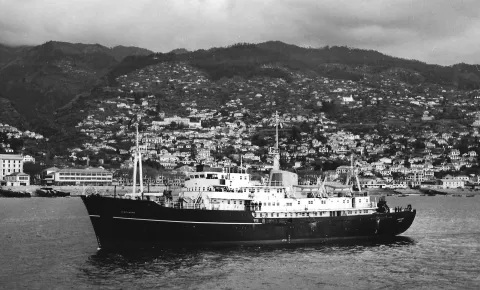
The New Discovery
The third iteration of RRS Discovery was launched in Aberdeen in 1962. Her 382 cruises included surveying the ocean floor, measuring ocean currents, monitoring climate change, and discovering new species. A refit in 1992 extended her life until 2012 when she departed the National Oceanography Centre in Southampton on 21 December for the last time.

NIO and Liverpool Tidal Institute Join Forces
The National Institute of Oceanography (NIO) and the Liverpool Tidal Institute became part of the then newly-formed Natural Environment Research Council (NERC). This partnership later formed the Institute of Oceanographic Sciences (IOS). This paved the way for the formation of other research centres including the British Oceanographic Data Centre (BODC) in 1969.
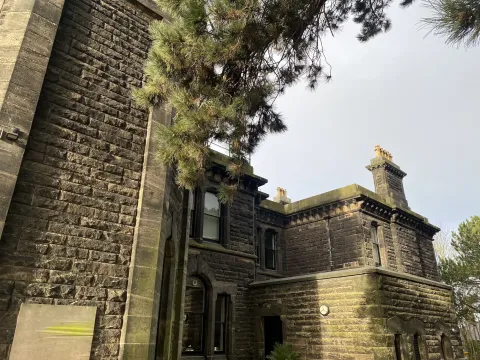
Bidston Observatory Under New Management
The Natural Environment Research Council (NERC) took over responsibility for the Observatory, with oceanographic research continuing. This laid the groundwork for it to merge with the then National Institute of Oceanography to form the Institute of Oceanographic Sciences.
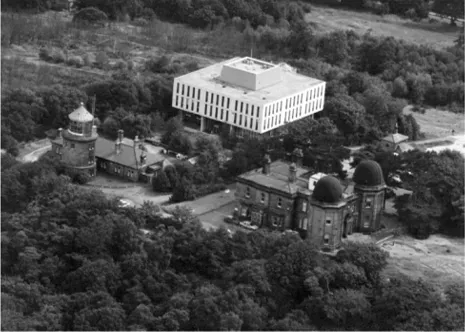
Joseph Proudman Building
The Liverpool Tidal Institute left Bidston Observatory to move into a purpose-built facility just a few metres away from the Observatory. It was named after its founder and first Director. The Institute itself was later renamed the Proudman Oceanographic Laboratory to align with its new home.
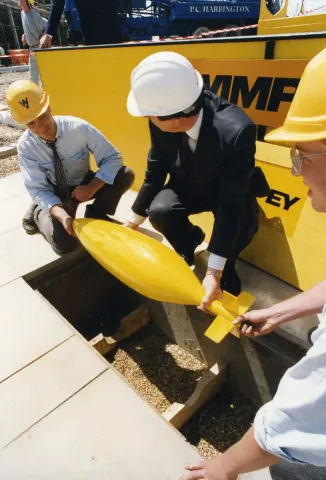
Oceanographic Time Capsule
As building commenced on a new Waterfront Campus in the Port of Southampton, a time capsule dedicated to items intended to reflect the academic, scientific, and wider communities was buried in the foundations of the building.
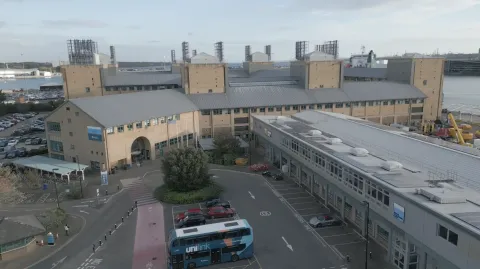
Southampton's Waterfront Campus Opens
The Institute of Oceanography (IOS), the Natural Environment Council’s (NERC) Research Vessel Service and the University of Southampton departments of Geology and Oceanography all moved into a state-of-the-art research facility within the Port of Southampton, and was officially opened by Prince Philip, Duke of Edinburgh as the Southampton Oceanography Centre.
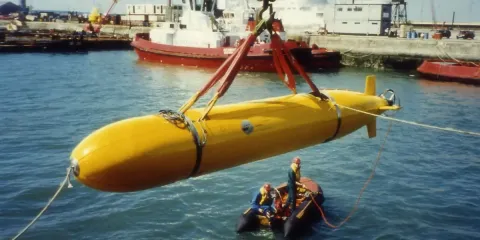
Autosub's First Mission
Autosub 1, the first iteration of NOC's pioneering Autonomous Underwater Vehicle (AUV) ventured out of the lab for the first time and into Empress Dock at the NOC in Southampton to undergo an exhaustive series of tests. Following this it set sail in Portland Harbour where it completed a 3.6km mission.
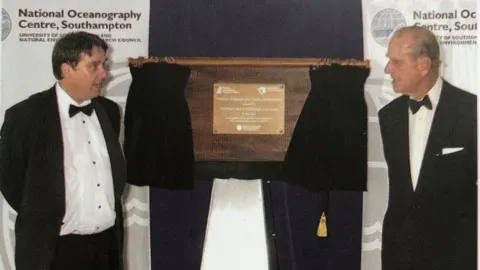
National Oceanography Centre Named
Just under 10 years after the opening of the Waterfront Campus, the Southampton Oceanography Centre became the National Oceanography Centre to better reflect its representation in the marine science community in the UK and beyond. Prince Philip, Duke of Edinburgh was once again present at the official renaming ceremony.
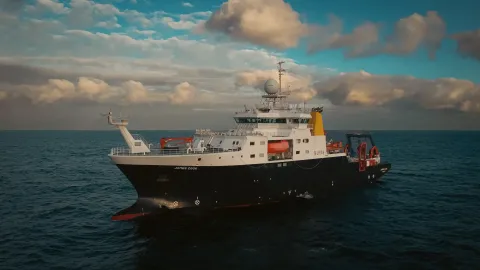
RRS James Cook Launches
Build in 2006 in Norway and Poland, RRS James Cook replaced the ageing RRS Charles Darwin and it set off on its maiden voyage on the 5th March 2007. One of its biggest discoveries was finding the world’s deepest undersea volcano vents in 2010, and it is currently operated by NOC alongside RRS Discovery.
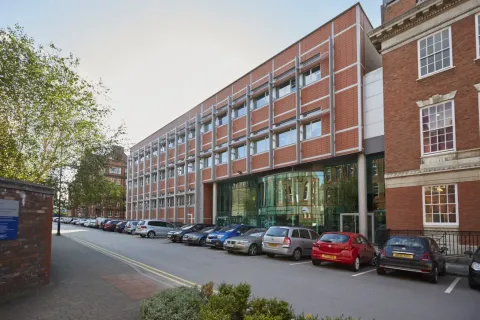
National Oceanography Centre in Liverpool
After the Produman Oceanographic Laboratory was moved from Bidston to the University of Liverpool Campus, it was merged with the National Oceanography Centre in Southampton to form NOC’s site in Liverpool. It’s diverse group of scientists and researchers are internationally recognised for their work on tides, sea level and shelf sea physics.
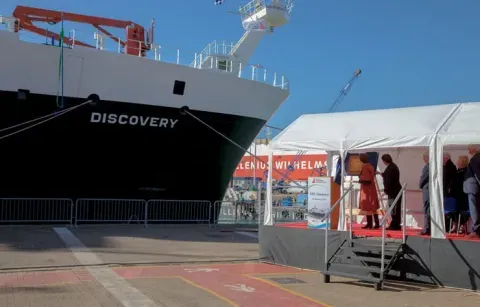
Modern RRS Discovery
The current RRS Discovery was launched in Vigo, Spain in 2012 and named by HRH The Princess Royal on 10 October 2013. Discovery will continue the work of her illustrious predecessors in enhancing our knowledge of the ocean.
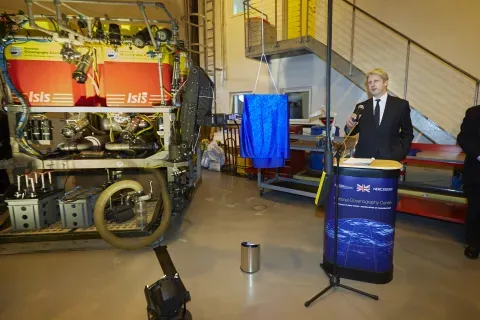
Marine Robotics Innovation Centre Opens
In November 2015, the then Science Minister Jo Johnson officially opened the Marine Robotics Innovation Centre in Southampton. The £3 million centre aimed to provide a home for the development of new technology for the marine robotics sector including Autosubs, Gliders and Remotely Operated Vehicles.
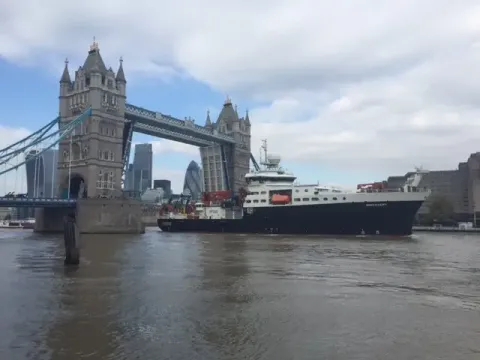
RRS Discovery Sails the Thames
To celebrate 50 years of the Natural Environment Research Council (NERC), RRS Discovery is moored in London for a series of events. The journey included sailing through the Thames Barrier, which is strongly linked to NOC's forecasting systems and research.
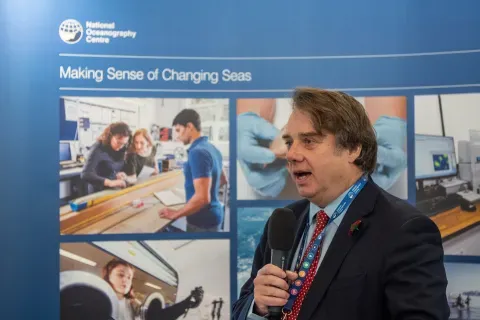
NOC Achieves Independence
Shortly after the Natural Environment Research Council (NERC) became part of a new research funding agency, UK Research and Innovation (UKRI), the National Oceanography Centre gained independence to become a self-governing organisation with research spanning coast to deep ocean and supporting major national research infrastructures such as research ships, nationally pooled marine equipment and management of nationally important marine data and sample assets.

Professor Ed Hill CBE Announces Retirement
Appointed as Executive Director in 2010, previously holding the position of Director at NOC and the Proudman Oceanographic Laboratory (Natural Environment Research Council), Professor Ed Hill CBE led the organisation to become one of the world’s top oceanographic institutions.

Professor John Siddorn Appointed as CEO
Professor John Siddorn, formerly NOC's Chief Scientist and Director of Data, Science and Technology was appointed as CEO in April 2024. Prior to joining NOC, John led ocean forecasting research at the Met Office, and has a background in oceanography, with research interests in ocean and marine biogeochemistry modelling.
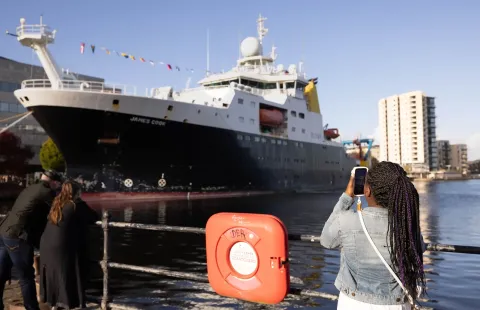
RRS James Cook in Cardiff
In October, RRS James Cook visited Cardiff, Wales for a free weekend of family fun. The event, named 'Explore our planet’ – ‘Archwiliwch ein planed' was a science showcase in partnership with UK Research and Innovation (UKRI), Natural Environment Research Council (NERC) and Techniquest.
NOC's 2025-2035 Strategy Launched
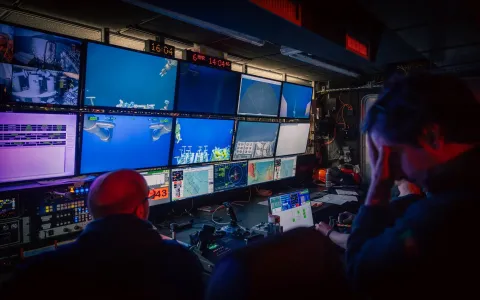
The 2025–2035 strategy sets out how we will lead the next decade of ocean science. It is built on a commitment to knowledge that is not only rigorous, but purposeful, accessible, and applied for the benefit of society and planetary health.
The National Oceanographic Library's Special Collections
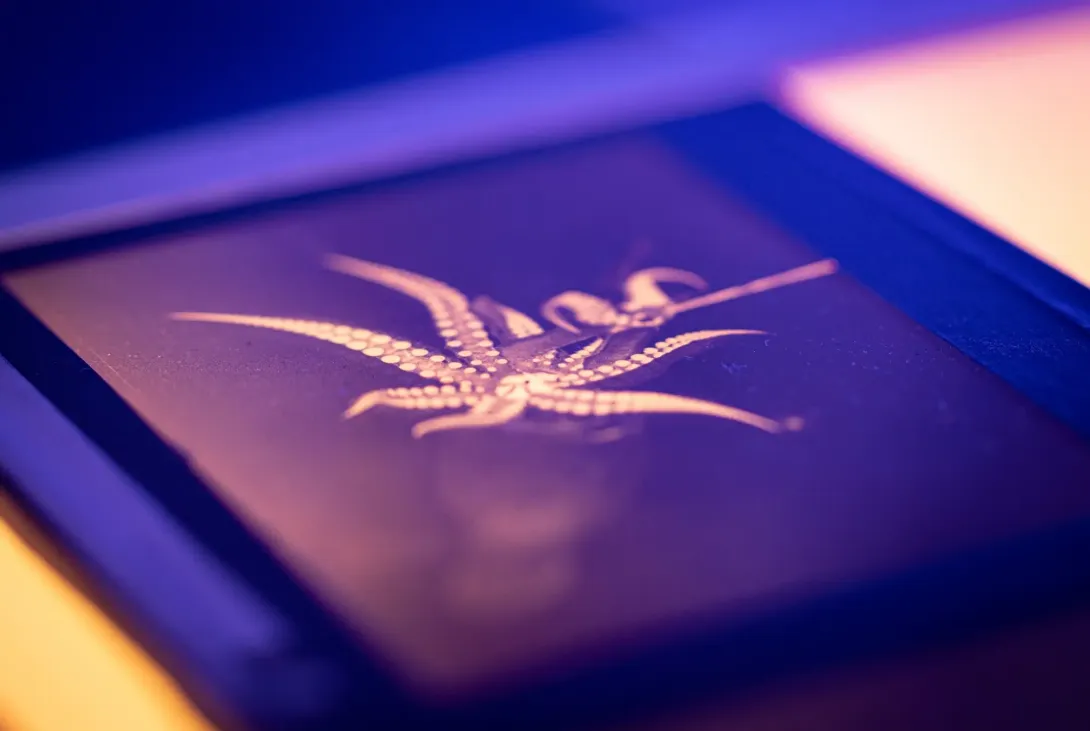
The National Oceanographic Library is recognised as one of the largest and most significant collection of marine resources in the UK. It's unique collection including it's archive and special collections paints a colourful picture of oceanography and marine science going back as far as the famous Challenger Expedition of the 19th century.