

What are fisheries and why do they matter?
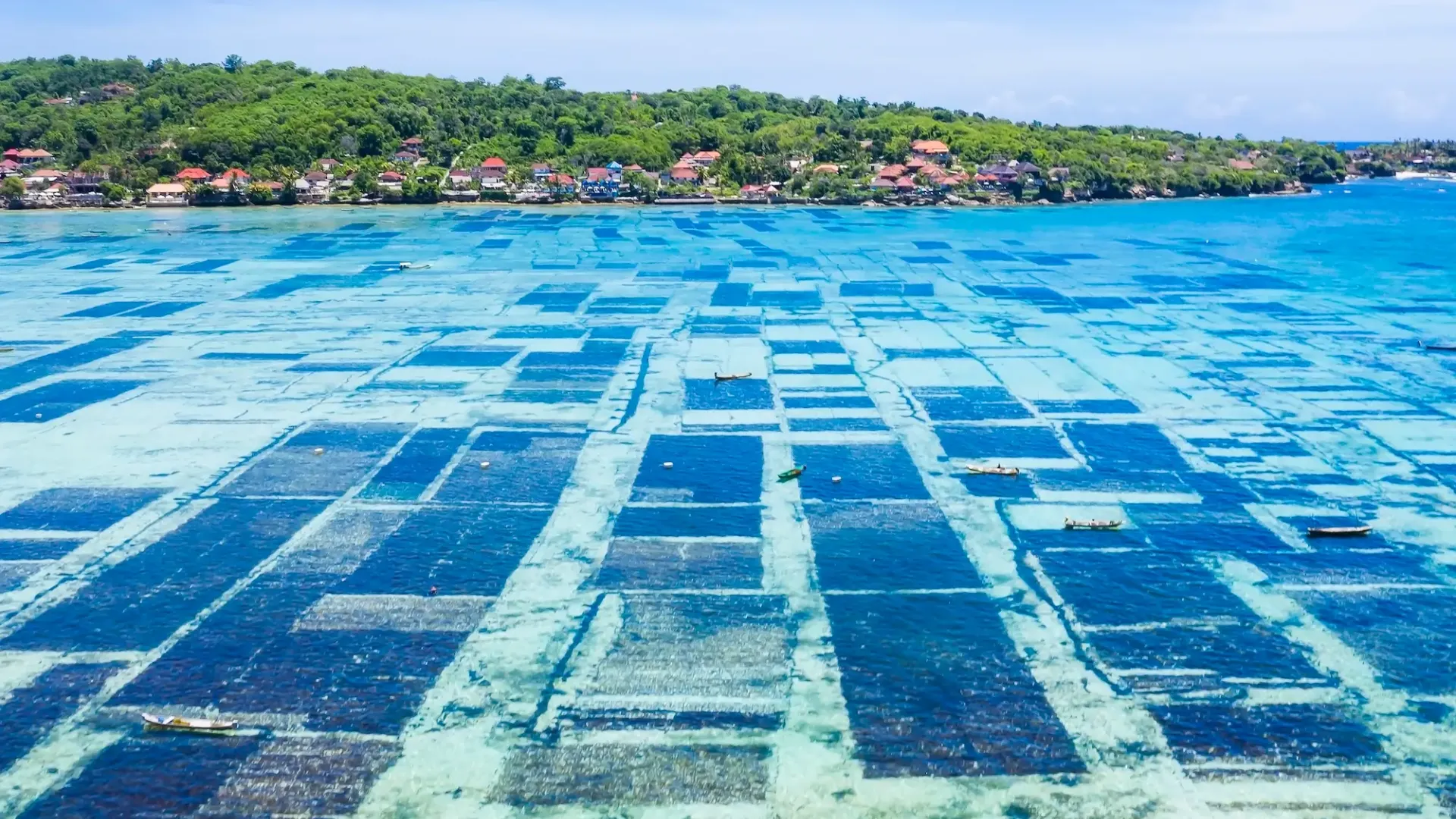
Fisheries are, simply put, activities that harvest fish and other marine life for food, trade, and livelihoods. They are a vital part of the wider Earth system, providing essential protein for billions of people and supporting entire coastal economies. They fundamentally shape our ocean. The methods used can influence food webs, reduce the populations of the species being fished, and sometimes damage habitats through practices like bottom trawling or catching other species by mistake (known as bycatch). Fisheries research looks into these processes to understand the health of fish stocks, the balance of the ecosystem, and how we can continue to use these resources sustainably.
Fisheries sit at the intersection of ocean health, climate regulation and human prosperity. They link directly to climate processes by influencing how nutrients and carbon are cycled in the ocean. This is especially true for their effect on blue carbon (carbon locked up in marine ecosystems that we have the ability to protect or enhance), which is vital for tackling climate change. Some fishing activities, particularly those that disturb the seabed, can release this stored carbon back into the water and atmosphere.
Where do fisheries operate?
Fisheries take place in almost every part of the ocean, from coastal zones and estuaries to offshore and deep-sea regions. This work is closely connected to many other research fields, including marine ecology, conservation biology, oceanography, climate science, and socioeconomics.
What are the impacts of fisheries on the ocean and climate?
Fisheries research has wide-ranging impacts across all these systems:
- For the ocean
Research helps prevent overexploitation, protects habitats, and maintains ecosystem stability. Understanding how fishing affects marine environments lets us develop management strategies to preserve ocean health for future generations. - For the climate
This research shows how sustainable practices can preserve fish stocks that play crucial roles in carbon storage. The interaction between fisheries and blue carbon stores is particularly important for regulating our climate. - For marine life
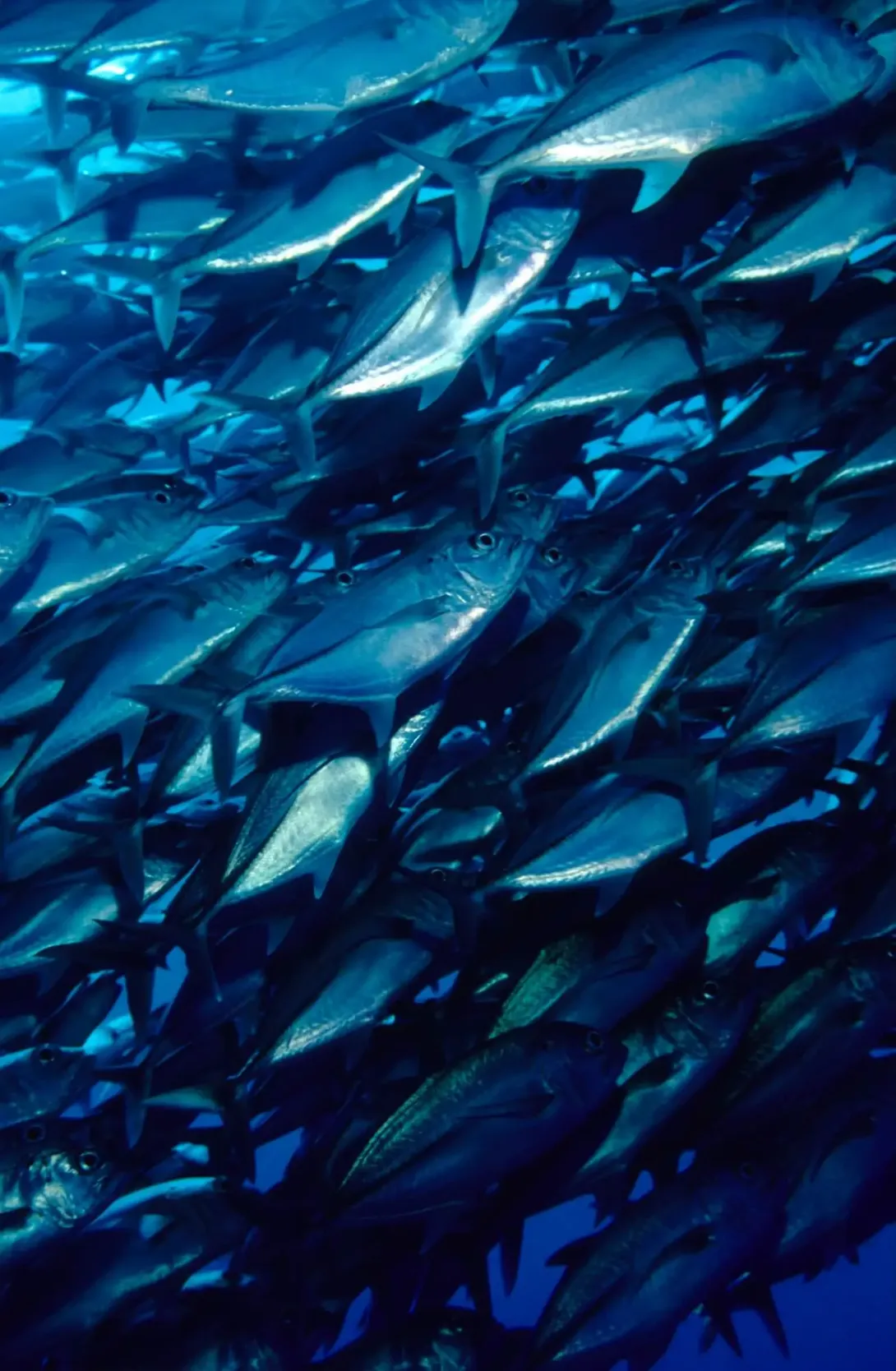
Research reduces the risks of population collapse and biodiversity loss. By understanding population dynamics, we can implement measures that protect vulnerable species and maintain balanced marine communities. - For human communities
This work safeguards food security, jobs, and cultural practices tied to the sea. Sustainable fisheries management ensures coastal communities can continue to depend on marine resources.
What would happen without fisheries research?
Without this research, unsustainable exploitation would likely go unchecked. This could lead to stock collapses, the breakdown of marine food webs, and the loss of key ecosystem services. This would harm human communities that depend on fisheries, increase global food insecurity, and weaken the ocean's ability to regulate the climate.
What fisheries research is NOC conducting?
At the National Oceanography Centre, we're undertaking critical research to understand the complex relationships between fisheries, ocean health, and climate.
- The Manx Blue Carbon Project (2022–2025)
Led by Dr Claire Evans and Dr Hannah Muir at NOC, in collaboration with the Isle of Man Government and Swansea University, this project is digging into how mobile bottom trawling affects sedimentary organic carbon stocks in the Western Irish Sea Mud Belt (WISMB). The research provides new insights into how fishing activity impacts seabed carbon stores, which has direct implications for climate mitigation strategies. Through this project, we've shown that trawling is linked to depleted organic carbon stocks in the WISMB. These findings are expected to inform the Manx Blue Carbon Strategy and guide further research into how seabed habitats recover in areas closed to trawling. - ReSOW UK ( Recovery of Seagrass for Ocean Wealth UK) 2022-2024
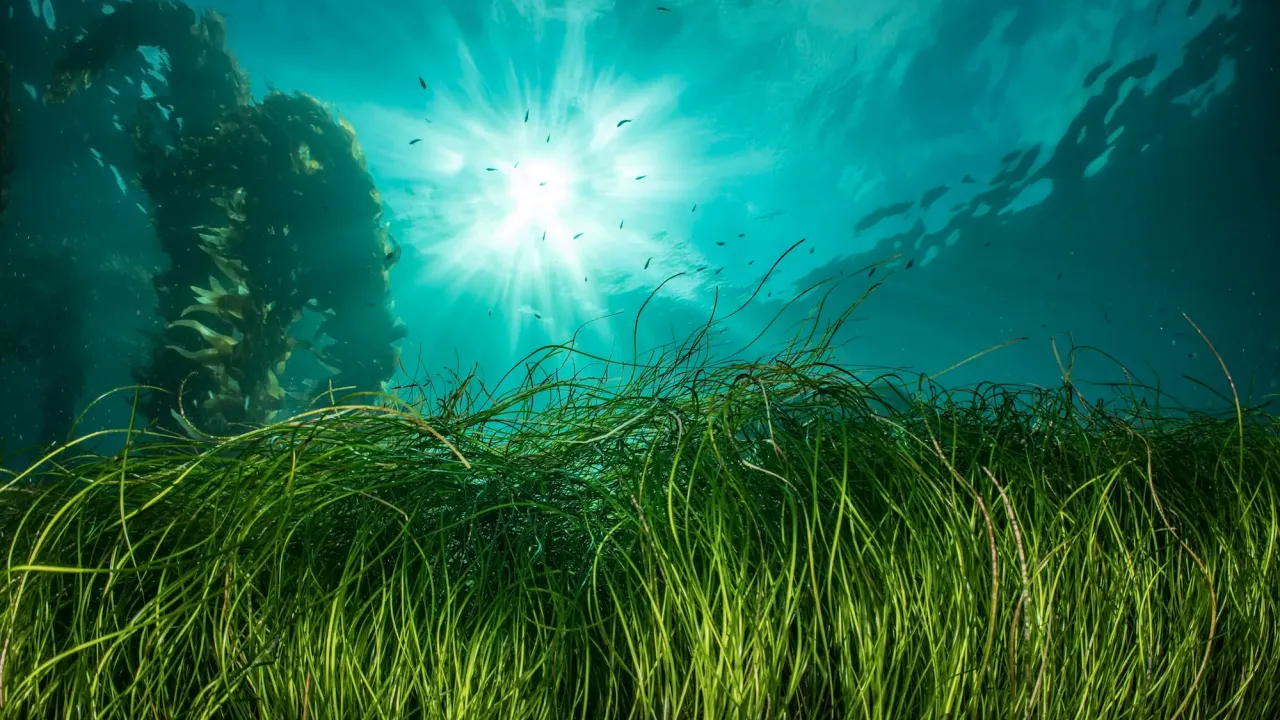
Led by Dr Claire Evans at NOC, this seagrass restoration project supports blue carbon storage. Just as importantly, seagrass beds serve as critical nursery habitats for commercially important species, such as Atlantic cod. This enhances fisheries' productivity while also mitigating climate change. It's an innovative approach that shows how habitat restoration can benefit both marine ecosystems and fishing communities at the same time.
How does NOC conduct this research?
We use a range of advanced tools and methods to carry out our fisheries research:
- Marine autonomy
Using autonomous underwater vehicles and gliders to monitor fishing impacts. - Modelling systems
Running advanced models to predict stock dynamics and ecosystem responses. - Specialised sensors
Using NOC-developed sensors to measure seabed conditions and carbon stocks. - Research vessels
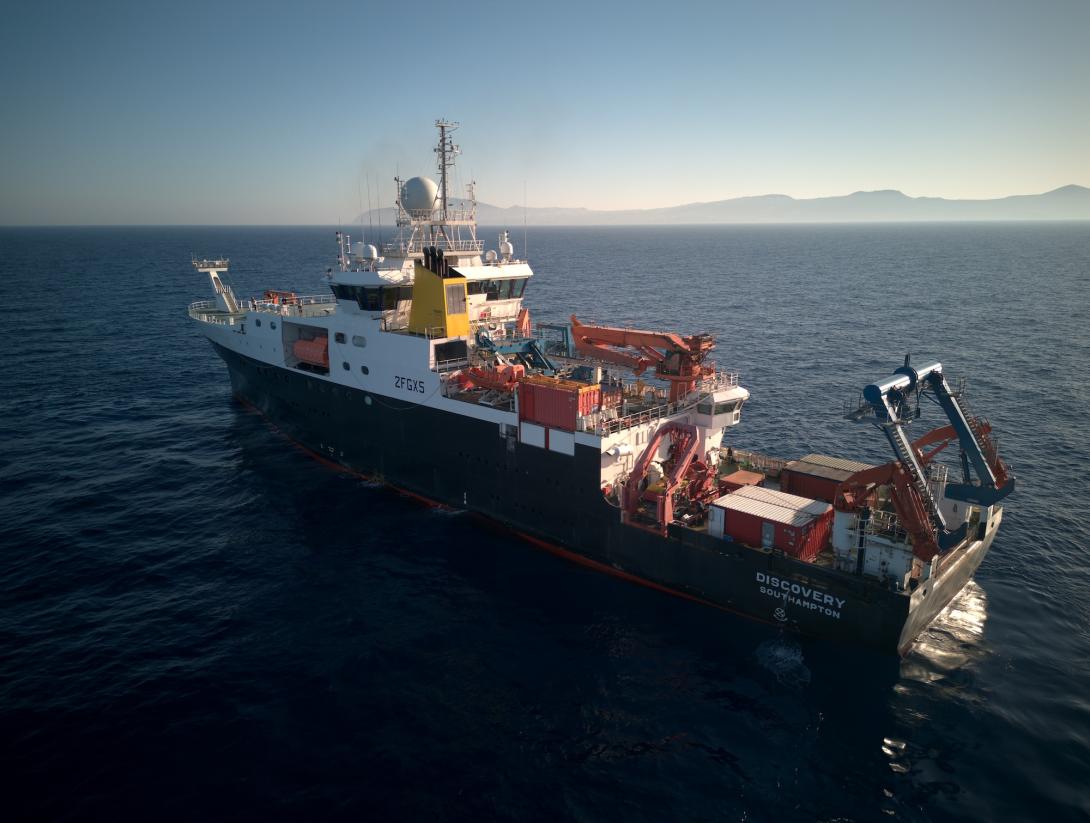
Conducting ship-based expeditions to study fishing grounds and ecosystem health. - Collaborative partnerships
Working closely with government bodies, universities, and fishing communities.
What have we learnt from our research?
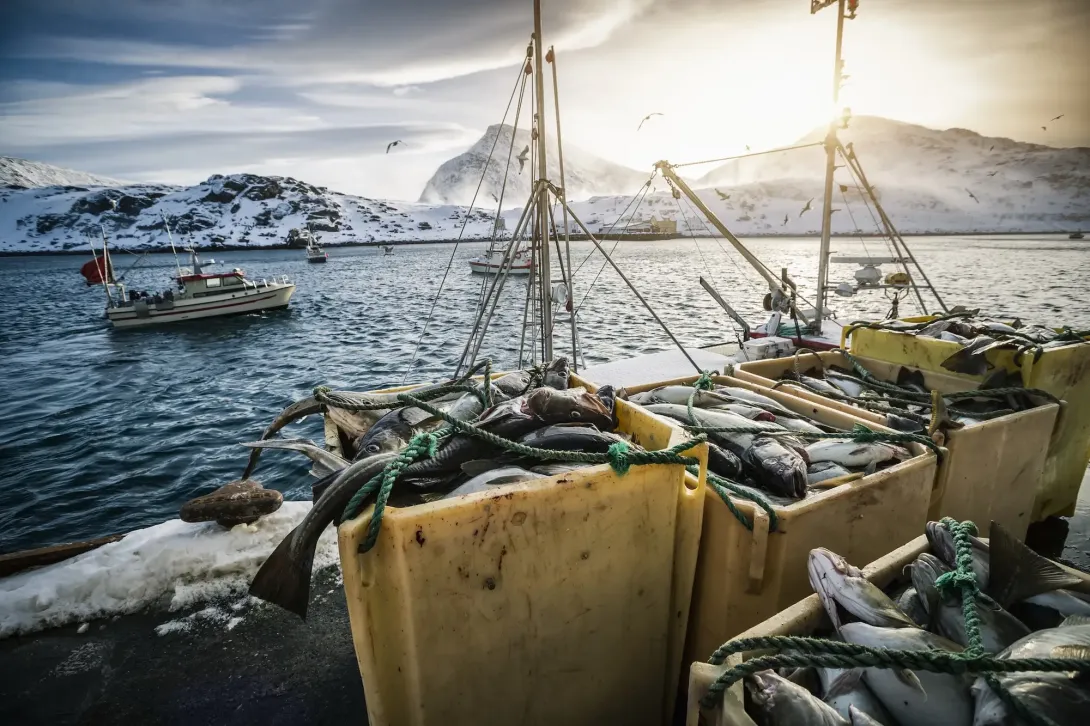
Our research has generated tangible outcomes that inform real-world policy and management decisions:
- Blue carbon impacts
The Manx Blue Carbon Project reveals that bottom trawling may be significantly depleting organic carbon stocks in muddy shelf seas. This evidence is expected to inform the Manx Blue Carbon Strategy and shape policy decisions. - Habitat restoration benefits
The ReSOW UK project has shown how seagrass restoration can enhance blue carbon storage and provide nursery habitats for commercial fish, creating a win-win for both climate and fisheries. - Recovery potential
Our research is guiding further investigations into how seabed habitats recover in areas closed to trawling, with important implications for protecting and restoring blue carbon stores across UK waters and beyond.
What's next for fisheries research at NOC?
Our research continues to evolve. We are deepening our understanding of these complex interactions and developing new capabilities to:
- Monitor the long-term recovery of seabed habitats in marine protected areas.
- Quantify the carbon benefits of different fisheries management approaches.
- Understand how climate change affects fish stocks and fishing communities.
- Develop tools to support evidence-based fisheries policy.
By combining cutting-edge science with practical applications, NOC is helping to ensure that fisheries can continue to support human needs while preserving ocean health and contributing to climate solutions.
Enabling and Collaborating with Industry Responsibly
NOC supports and informs a wide range of industries on how they can work alongside the ocean sustainably and safely.