


What are Dynamic Observations?
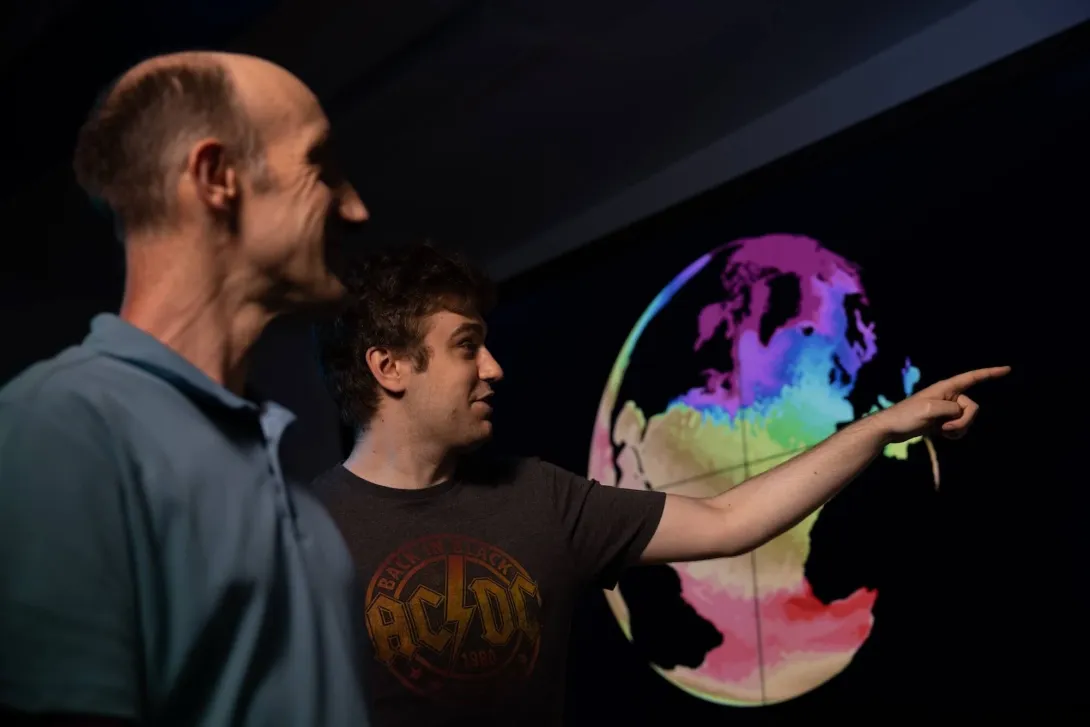
Dynamic observations combine both in-situ data collected by observing tools and networks in the ocean and numerical models created by scientists to enhance our understanding of the global ocean system and to aid the design and implementation of future observing systems. Models simulate ocean dynamics based on physical laws and then can be evaluated and improved using observational data from a range of platforms such as satellites, autonomous vehicles and more. Improved models in turn help scientists and researchers to identify the most successful and efficient deployment strategies to further improve the observing systems.
As the global ocean is a vast and ever-changing system, dynamic observations are best utilised when identifying regions with high uncertainty or rapidly evolving conditions. From there, scientists are able to highlight areas where targeted observations can have the biggest impact. Additionally, they can also be used to help design early warning systems that are then used to forecast extreme events that could potentially impact human lives.
What are mission planning tools?
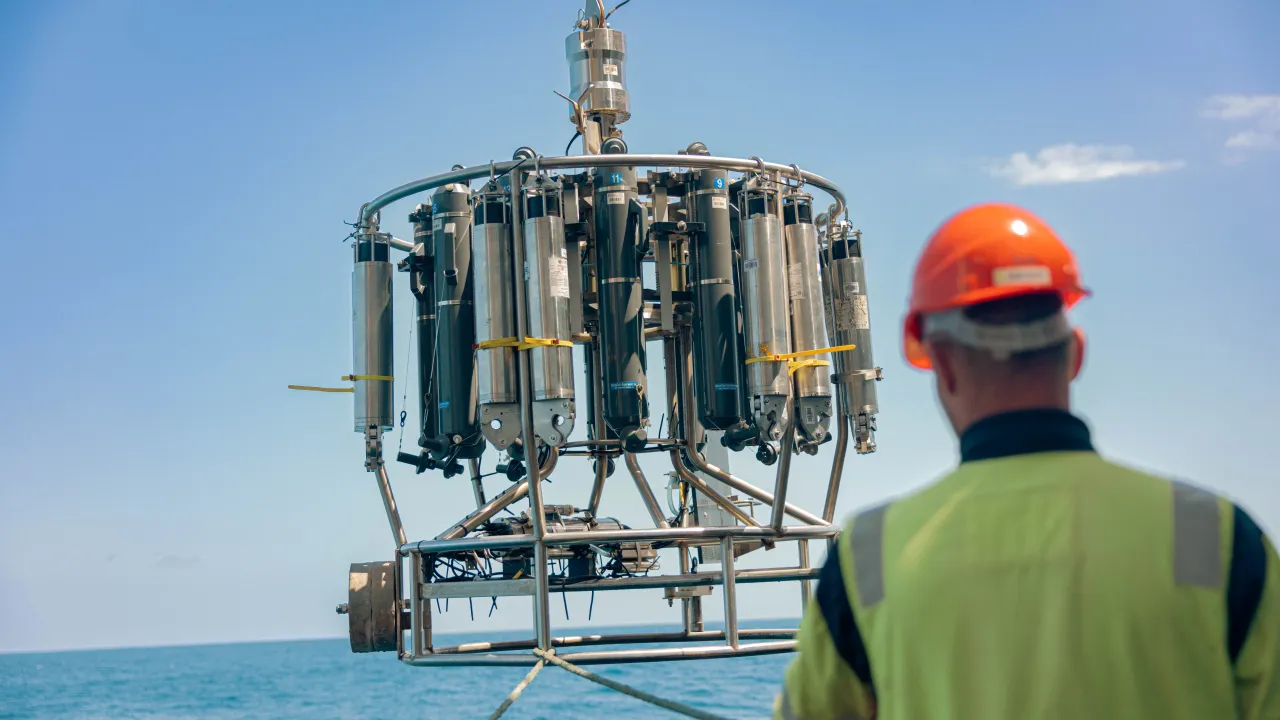
A NOC internally funded project called Marine Autonomy Modelling: Merging observAtions and siMulations for Interoperable Applications (MAMMA MIA) is developing a toolbox designed to simulate the payloads of ocean observing platforms like Autosubs, Gliders and Argo floats in order to effectively plan and deliver missions in-situ. The function of the toolbox is to generate virtual observations by selecting appropriate model data from online sources, including high-resolution near-present-day simulations courtesy of NOC, that serve as the ‘true’ ocean state. These simulations will help to develop future ocean observing systems by giving us an accurate simulation of the most effective deployment strategies.
Where is NOC using autonomous systems in research?
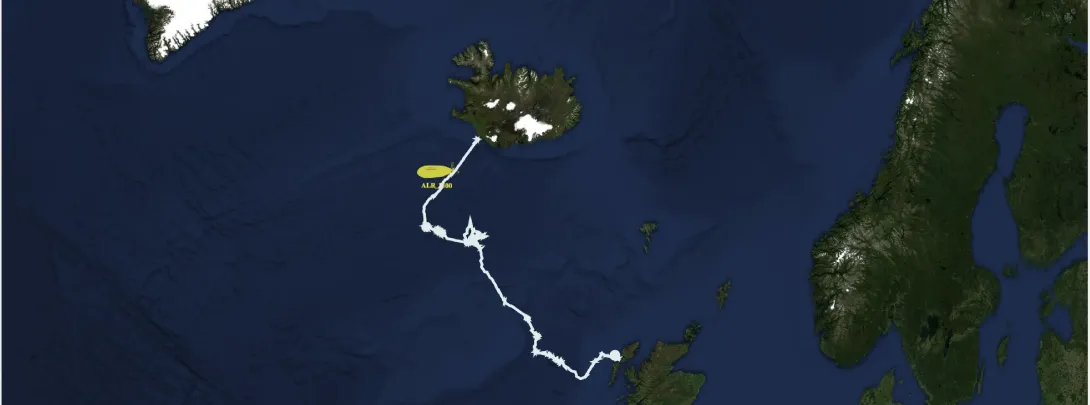
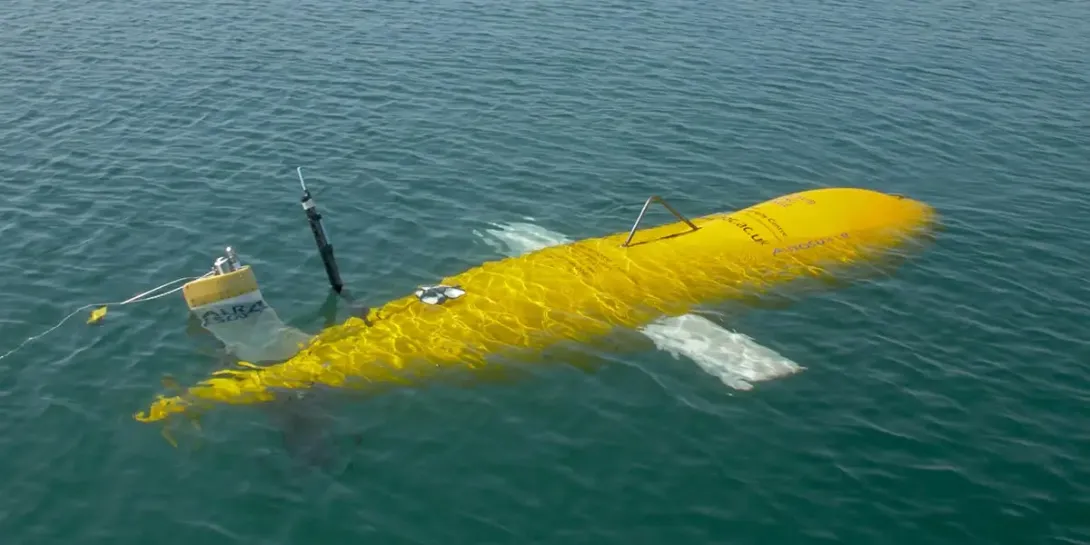
NOC operates autonomous long-range (ALR) vehicles in some of the toughest marine environments on Earth. That includes ALR deployments in the Southern Ocean, one of the remotest locations on the planet, yet critical for global ocean circulation and climate. These missions collect critical data on ocean circulation, temperature, salinity, and biogeochemical properties in regions that are difficult, or even impossible, to access with traditional research ships.
Polar ALR operations, both in the Arctic and Antarctic, are some of the most technically challenging autonomous underwater missions ever attempted, and they need specialised navigation and communication systems to work underneath the sea ice.
Why are Arctic observations important?
Global warming is driving rapid changes in our polar oceans. The Arctic is warming at least three times faster than the rest of the planet, driving sea ice loss and ecosystems shifts. Yet polar regions remain the lowest monitored areas of the earth. This is all down to extreme weather, sea ice coverage, and massive logistical challenges. Autonomous platforms let us collect data year-round in these regions. This provides essential information for understanding global ocean circulation, climate change impacts, and how ecosystems are responding.
RAPID Observing System
RAPID (which stands for Rapid Climate Change programme) is a long-term ocean observing system located at 26.5°N in the Atlantic Ocean. RAPID has been continuously observing the Atlantic Meridional Overturning Circulation (AMOC); something which NOC has played a pivotal role in since it was first deployed in 2004. This circulation transports heat northward and plays a crucial role in regulating global climate patterns.
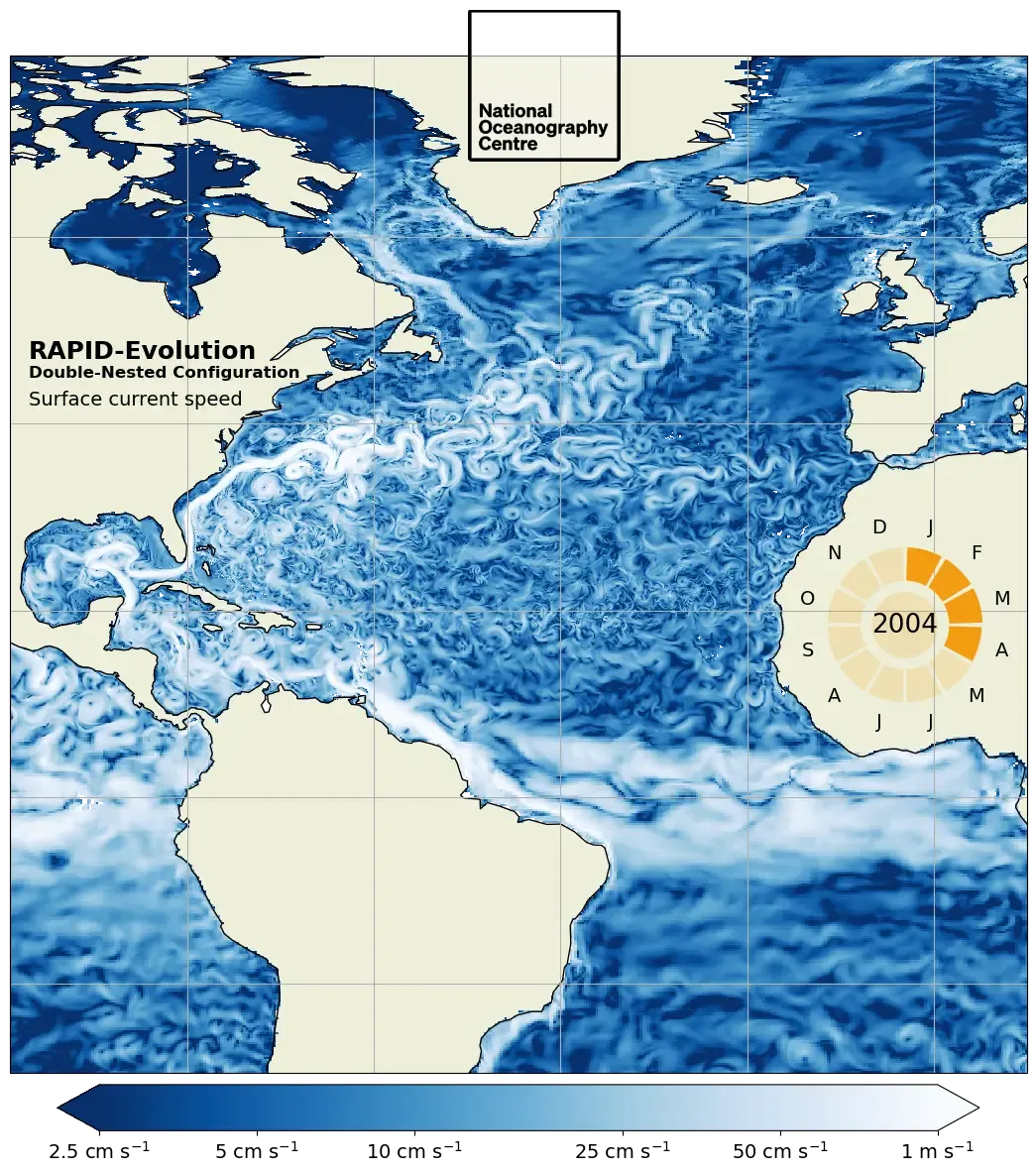
NOC scientists are using high-resolution ocean models to optimise and test future designs for the RAPID array. These studies help to determine the best places to put instruments, identify the most cost-effective setups, and check how well different designs would capture changes in ocean circulation.
High-resolution numerical models act as 'virtual oceans'. They enable scientists to test different observing system setups without the cost and time of deploying physical instruments.
The Atlantic Meridional Overturning Circulation is one of Earth's most important climate regulation systems. It transports about 1.3 petawatts of heat northward (equivalent to the output of a million power stations), helping to maintain temperate climates in northwestern Europe. Changes in the AMOC's strength have profound implications for regional climate, sea level, and marine ecosystems. Continuous observations through systems like RAPID gives us an early warning of potentially significant climate shifts.
Interested in finding out more?
Fund out more about how NOC uses mathematical models of ocean systems such as circulation to help understand how these systems may change over time.