

Measuring Nutrients in the Marine Environment
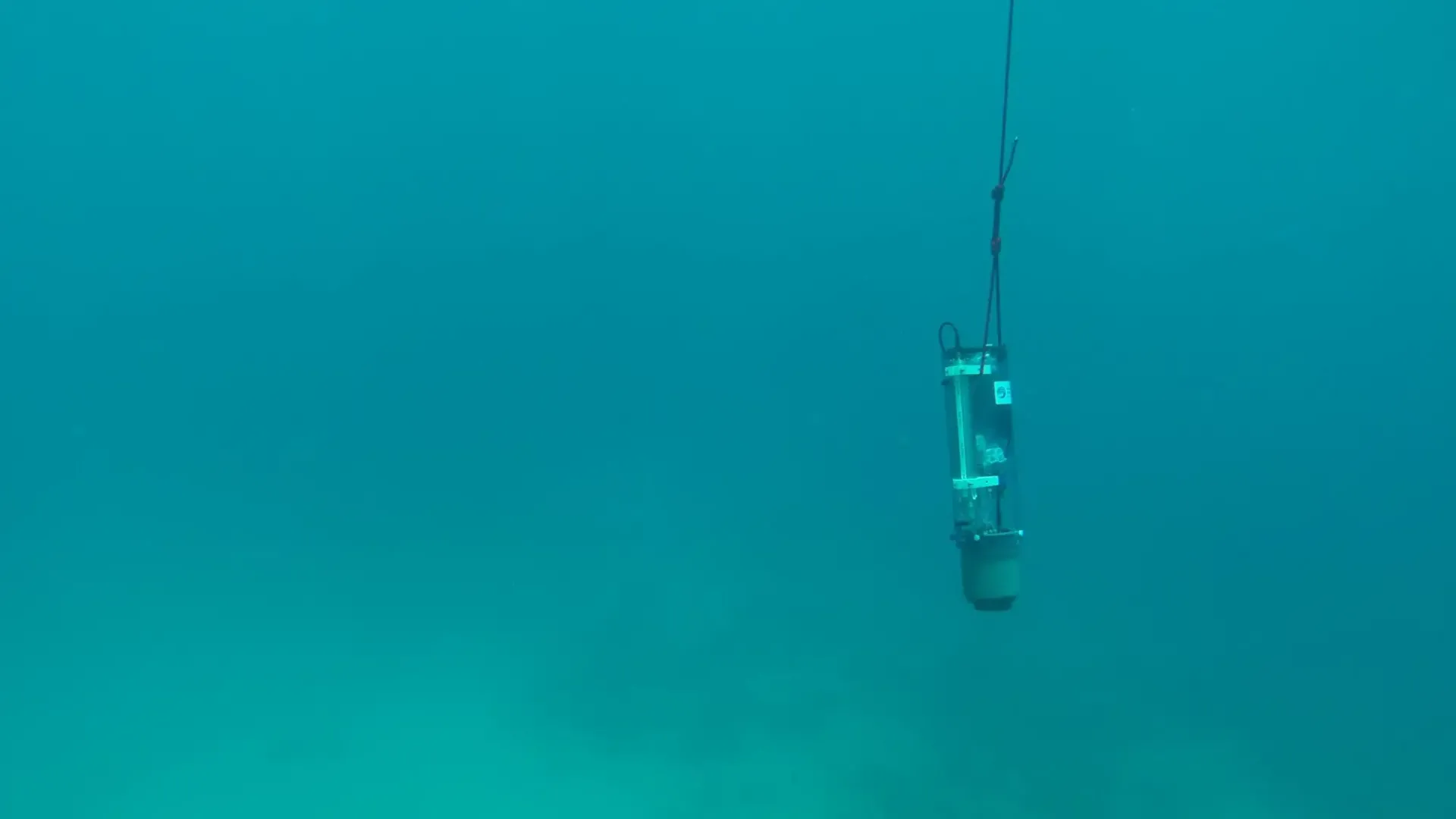
We are developing cutting-edge sensors to measure nutrients in the marine environment, with a focus on high performance and long-term deployments in full ocean depths.
Many of these sensors, based on lab-on-chip technology, have been used around the world on a wide range of platforms including landers, moorings, and autonomous vehicles.
Nitrate and Nitrite Sensors
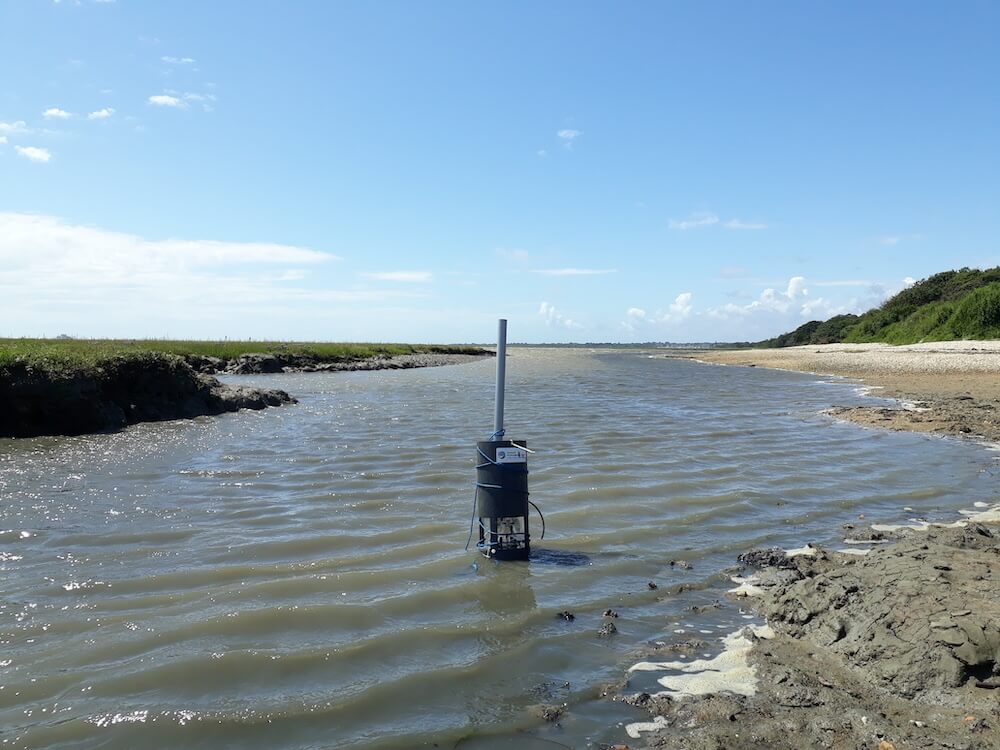
The lab-on-chip (LOC) nitrate sensor is a miniaturised wet chemical analyser capable of in situ nitrate plus nitrite measurements in almost any aquatic environment.
The system uses the Griess assay with copper-cadmium reduction to perform measurements comparable in quality to standard laboratory analysis methods. The system carries an on-board standard to correct against drift, and is capable of performing hourly measurements for three months with a typical reagent payload. Range is 0.025 to 1000 µM and the limit of detection is 0.025 µM.
LOC nitrate sensors have been successfully deployed in a range of marine and freshwater aquatic environments. These include rivers (both pristine and polluted), estuaries, glacial meltwater (proglacial streams), shelf seas, the surface ocean (buoys and moorings in the Arctic), the seafloor (on benthic landers) and profiling in the deep ocean (deepest deployment 4,800 m). We have recently completed a number of deployments on board autonomous and remote-operated vehicles. The sensor and reagents have been deployed inside the payload bay of gliders, AUVs, and ROVs.
Current Specifications
Sample rate: 12 minutes for fully calibrated sample
Calibration method: Self-calibrating to on-board reference materials in the field
Precision: 5%
Accuracy: 5%
Sample volume: 350 µL per measurement
Deployment depth: to 6000 m
Voltage range: 10 V to 16 V
Power consumption: 1.8 W
Current draw (12 V): 155 mA average, 385 mA maximum
Output interface: RS232, USB
Connector type: SubConn MCIL8M
Dimensions: 17 cm long, 15 cm diameter (without reagent housing) 56 cm high, 20 cm diameter (sensor with reagent housing)
Weight in air: 6 kg (sensor + reagent housing + reagents)
Weight in water: 0.85 kg
More Information
Beaton, Alexander B.; Hendry, Katherine R.  ORCID: https://orcid.org/0000-0002-0790-5895; Hatton, Jade E.; Patey, Matthew D. ORCID: https://orcid.org/0000-0001-8677-2818; Mowlem, Matthew; Clinton-Bailey, Geraldine; Lopez-Garcia, Patricia ORCID: https://orcid.org/0000-0002-4689-2775; Woodward, E. Malcolm S.; Meire, Lorenz.
2025
High-Resolution Sensors Reveal Nitrate and Dissolved Silica Dynamics in an Arctic Fjord.
Journal of Geophysical Research: Biogeosciences, 130, e2024JG008523.
12, pp.
10.1029/2024JG008523
ORCID: https://orcid.org/0000-0002-0790-5895; Hatton, Jade E.; Patey, Matthew D. ORCID: https://orcid.org/0000-0001-8677-2818; Mowlem, Matthew; Clinton-Bailey, Geraldine; Lopez-Garcia, Patricia ORCID: https://orcid.org/0000-0002-4689-2775; Woodward, E. Malcolm S.; Meire, Lorenz.
2025
High-Resolution Sensors Reveal Nitrate and Dissolved Silica Dynamics in an Arctic Fjord.
Journal of Geophysical Research: Biogeosciences, 130, e2024JG008523.
12, pp.
10.1029/2024JG008523
2025
Article
Nightingale, Adrian M. ORCID: https://orcid.org/0000-0003-2445-4827; Beaton, Alexander D. ORCID: https://orcid.org/0000-0002-0206-7466; Birchill, Antony J.; Coleman, Sharon; Evans, Gareth W. H.; Hassan, Sammer-ul; Mowlem, Matthew C.; Niu, Xize ORCID: https://orcid.org/0000-0003-3149-6152.
2024
Antifouling Copper Surfaces Interfere with Wet Chemical Nitrate Sensors: Characterization and Mechanistic Investigation.
ACS ES&T Water, 5 (1).
168-176.
10.1021/acsestwater.4c00749
2024
Article
Beaton, Alexander D.; Schaap, Allison M. ORCID: https://orcid.org/0000-0001-5391-0516; Pascal, Robin; Hanz, Rudolf ORCID: https://orcid.org/0000-0003-2123-1599; Martincic, Urska; Cardwell, Christopher L. ORCID: https://orcid.org/0000-0003-1305-4174; Morris, Andrew ORCID: https://orcid.org/0000-0002-5465-411X; Clinton-Bailey, Geraldine; Saw, Kevin; Hartman, Susan E. ORCID: https://orcid.org/0000-0002-6363-1331; Mowlem, Matthew C..
2022
Lab-on-chip for in situ analysis of nutrients in the deep sea.
ACS Sensors, 7 (1).
89-98.
10.1021/acssensors.1c01685
2022
Article
Phosphate Sensor
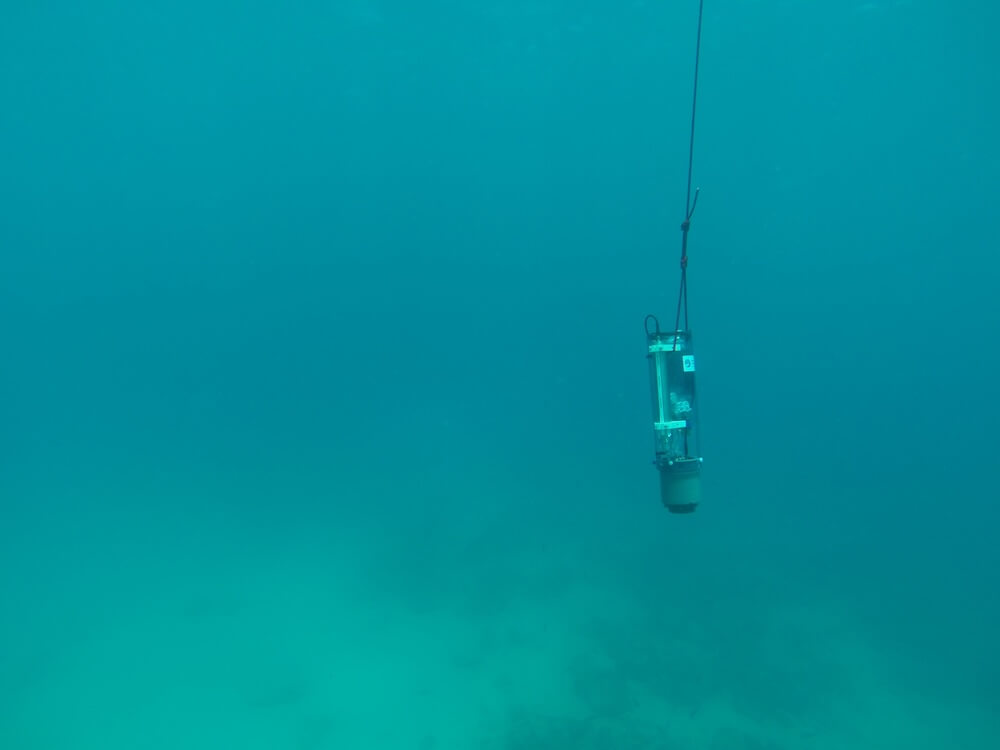
The lab-on-chip (LOC) phosphate sensor is a miniaturised wet chemical analyser capable of in situ phosphate measurements in almost any aquatic environment.
The system uses the molybdenum blue method to perform measurements comparable in quality to standard laboratory analysis methods. The system carries an on-board standard to correct against drift, and is capable of performing hourly measurements for three months with a typical reagent payload.
LOC phosphate sensors have been successfully deployed in a range of marine and freshwater aquatic environments. These include rivers (both pristine and polluted), estuaries, shelf seas, and the open ocean from the surface to the seafloor. In addition to deployments on fixed moorings, the instrument has been used on autonomous and remote-operated vehicles such as gliders, AUVs, and ROVs.
Current Specifications
Sample rate: 25 minutes for fully calibrated sample
Calibration method: Self-calibrating to on-board reference materials in the field
Measurement range: 0.14 µM – 10 µM
Limit of detection: 40 nM
Precision and accuracy: 5%
Sample volume: 350 µL per measurement
Deployment depth: to 6000 m
Voltage range: 10 V to 16 V
Power consumption: 1.8 W
Current draw (12 V): 155 mA average, 385 mA maximum
Output interface: RS232, USB
Connector type: SubConn MCIL8M
Dimensions: 17 cm long, 15 cm diameter (without reagent housing) 56 cm high, 20 cm diameter (sensor with reagent housing)
Weight in air: 6 kg (sensor + reagent housing + reagents)
Weight in water: 0.85 kg
More Information
Birchill, Antony J.; Beaton, A. D.; Hull, Tom; Kaiser, Jan; Mowlem, Matt; Pascal, R.; Schaap, A. ORCID: https://orcid.org/0000-0001-5391-0516; Voynova, Yoana G.; Williams, C.; Palmer, M..
2021
Exploring ocean biogeochemistry using a lab-on-chip phosphate analyser on an underwater glider.
Frontiers in Marine Science, 8.
10.3389/fmars.2021.698102
2021
Article
Grand, Maxime M.; Clinton-Bailey, Geraldine S.; Beaton, Alexander D.; Schaap, Allison M. ORCID: https://orcid.org/0000-0001-5391-0516; Johengen, Thomas H.; Tamburri, Mario N.; Connelly, Douglas P.; Mowlem, Matthew C.; Achterberg, Eric P..
2017
A Lab-On-Chip Phosphate analyzer for long-term in situ monitoring at fixed observatories: optimization and performance evaluation in estuarine and oligotrophic Coastal Waters.
Frontiers in Marine Science, 4.
10.3389/fmars.2017.00255
2017
Article
Clinton-Bailey, Geraldine S.; Grand, Maxime M.; Beaton, Alexander D.; Nightingale, Adrian M.; Owsianka, David R.; Slavik, Gregory J.; Connelly, Douglas P.; Cardwell, Christopher L. ORCID: https://orcid.org/0000-0003-1305-4174; Mowlem, Matthew C..
2017
A Lab-on-Chip analyzer for in situ measurement of soluble reactive phosphate: improved phosphate blue assay and application to fluvial monitoring.
Environmental Science & Technology, 51 (17).
9989-9995.
10.1021/acs.est.7b01581
2017
Article
Dissolved Silicate Sensor
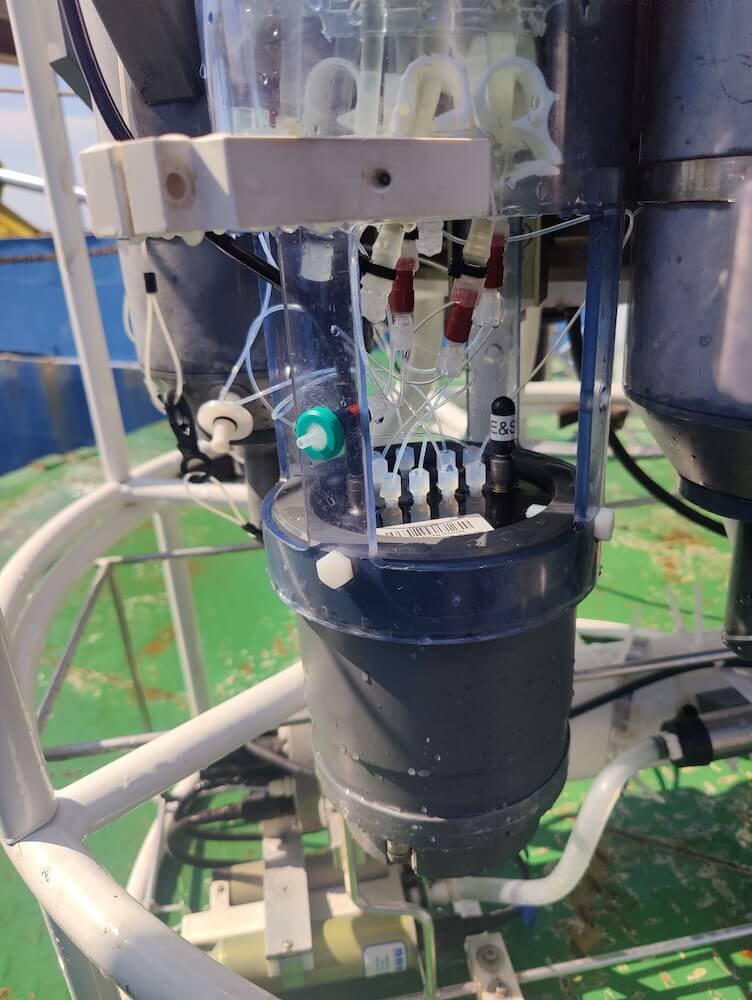
Dissolved silica (DSi) is a macronutrient and is required by marine life including diatoms, some sponges, radiolarians, silicoflagellates, some species of choanoflagellates and picocyanobacteria. While DSi occurs at much larger concentrations by comparison with dissolved phosphorus for example, the development of an in situ device to measure it is challenging due to the large range of concentrations found in the environment – ranging from <0.1–0.6 µM in the euphotic zone in the tropics and subtropics to 50–100 µM in deep ocean water, and sometimes more than 200 µM in rivers.
The silicate sensor operates on the principle of the reduction of molybdosilicic acid by ascorbic acid to a blue colour of intensity proportional to silicate concentration. Oxalic acid is used to suppress the phosphate interference, while the ascorbic acid reduces the molybdosilicic acid.
It is a lab-on-chip wet-chemical analyser, and like all instruments based on this platform, is designed to work at full ocean pressure. It has been deployed in a wide variety of environments, including Arctic Fjords, the Southern Ocean and the Mediterranean Sea, and attached to a variety of platforms including Autosub Long Range (ALR) and moorings.
Current Specifications
Sample rate: 35 minutes for fully calibrated sample
Calibration method: Self-calibrating to on-board reference materials in the field
Measurement range: 1 µM – 750 µM
Limit of detection: 0.4 µM
Precision and accuracy: 5%
Sample volume: 350 µL per measurement
Deployment depth: to 6000 m
Voltage range: 10 V to 16 V
Power consumption: 1.8 W
Current draw (12 V): 155 mA average, 385 mA maximum
Output interface: RS232, USB
Connector type: SubConn MCIL8M
Dimensions: 17 cm long, 15 cm diameter (without reagent housing) 56 cm high, 20 cm diameter (sensor with reagent housing)
Weight in air: 6 kg (sensor + reagent housing + reagents)
More Information
Beaton, Alexander B.; Hendry, Katherine R. ORCID: https://orcid.org/0000-0002-0790-5895; Hatton, Jade E.; Patey, Matthew D. ORCID: https://orcid.org/0000-0001-8677-2818; Mowlem, Matthew; Clinton-Bailey, Geraldine; Lopez-Garcia, Patricia ORCID: https://orcid.org/0000-0002-4689-2775; Woodward, E. Malcolm S.; Meire, Lorenz.
2025
High-Resolution Sensors Reveal Nitrate and Dissolved Silica Dynamics in an Arctic Fjord.
Journal of Geophysical Research: Biogeosciences, 130, e2024JG008523.
12, pp.
10.1029/2024JG008523
2025
Article
Iron Sensor
The lab-on-chip (LOC) iron sensor is a miniaturised wet chemical analyser capable of in situ measurements of Iron (II) and total dissolved Iron.
The system uses the ferrozine assay, and is based on the same hardware platform as the LOC nitrate and phosphate sensors. Like all instruments based on this platform, the iron analyser is designed to work at full ocean pressure. The range is 0.002 to 20 µM; limit of detection is 1.9 nM dissolved Fe.
The iron analyser can also be adapted to perform manganese (II) analysis using the PAN method. The range is 0.027 to 500 µM; limit of detection is 0.027 µM dissolved Mn.
Early prototypes of the LOC Fe sensor were successfully deployed in rivers and on CTD profiles in the Baltic. The platform has recently been re-engineered in line with the nitrate and phosphate sensors to improve robustness and reliability, and has since been successfully deployed in glacial meltwater streams in the Peruvian Andes as part of the CASCADA project. This version of the sensor is cable of measuring Iron (II) and determine Iron (III) (total dissolved Fe = DFe, Fe(II)+Fe(III)) with a pre-acidification step.
Current Specifications
Sample rate: 1 hour for fully calibrated sample
Calibration method: Self-calibrating to on-board reference materials in the field
Sample volume: 3 mL per measurement
Deployment depth: to 6000 m
Voltage range: 10 V to 16 V
Power consumption: 1.8 W
Current draw (12 V): 155 mA average, 385 mA maximum
Output interface: RS232, USB
Connector type: SubConn MCIL8M
Dimensions: 17 cm long, 15 cm diameter (without reagent housing) 56 cm high, 20 cm diameter (sensor with reagent housing)
Weight in air: 6 kg (sensor + reagent housing + reagents)
Weight in water: 0.85 kg
More Information
Ammonia Sensor
Ammonia is an important component of the marine nitrogen cycle and is the preferred form of nitrogen for marine phytoplankton. Ammonia is measured much less frequently than nitrate and nitrite in part due to the difficulty of making reliable measurements and low environmental concentrations often leading to significant sample contamination issues. At NOC we are developing a new in situ ammonia sensor that incorporates the highly sensitive OPA fluorescence method into the NOC Lab-on-chip (LOC) platform. For this purpose a custom, pressure tolerant fluorescence detector is being developed at the NOC using miniaturised optics and the latest solid state photon multiplier devices to enable its incorporation into the LOC platform.
Current (Target) Specifications
Sample rate: 20 minutes for fully calibrated sample
Calibration method: Self-calibrating to on-board reference materials in the field
Sample volume: 1 mL per measurement
Deployment depth: to 1000 m
Voltage range: 10 V to 16 V
Power consumption: 2 W
Current draw (12 V): 170 mA average, 385 mA maximum
Output interface: RS232, USB
Connector type: SubConn MCIL8M
Dimensions: 17 cm long, 15 cm diameter (without reagent housing) 56 cm high, 20 cm diameter (sensor with reagent housing)
Weight in air: 6 kg (sensor + reagent housing + reagents)
Weight in water: 0.85 kg