


Studying, Observing and Simulating the Ocean
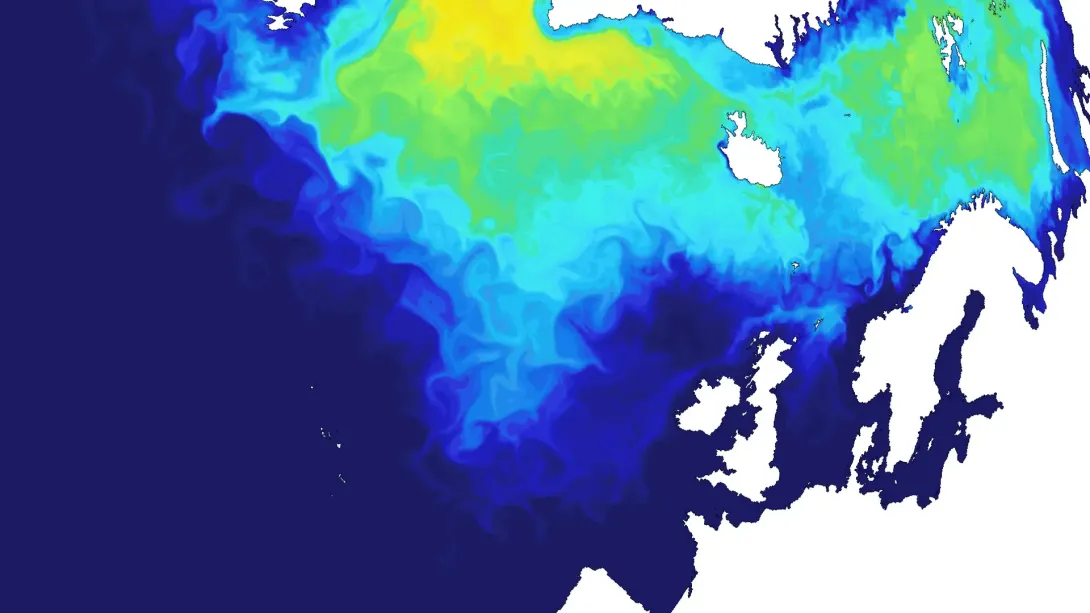
Observations and models are crucial in understanding our ocean. Observations underpin theoretical understanding of the ocean. They are often collected using systems and networks deployed in the ocean and/or using remote sensors such as those on satellites. Mathematical models of ocean systems, such as circulation, help to understand how the ocean may change over time based on climate driven influences.
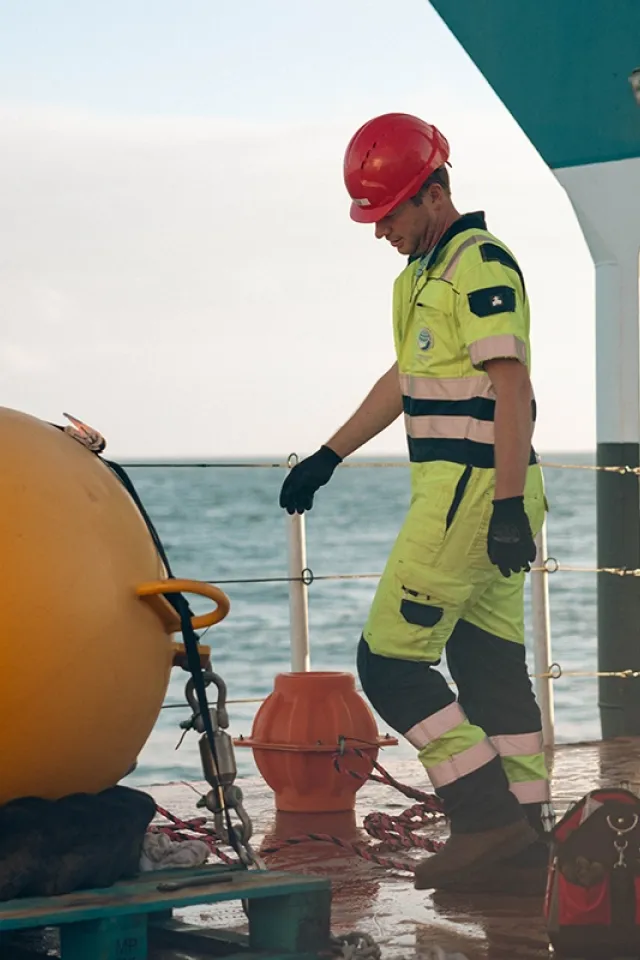
NOC is a world-leader in numerical modelling of the global oceans, shelf seas and ocean biogeochemistry. NOC also helps to maintain and service some of the longest-running observational networks and tools in the ocean. These functions and platforms are vital in getting real-time data on the state of our ocean.

NOC's Modelling Research
Research of the current health of the ocean is fundamental in developing an integrated understanding of the marine system, and its relation to all components of the wider Earth system and to society. Using modelling techniques can help to apply the research carried out by scientists but also map out what the potential future looks like.