

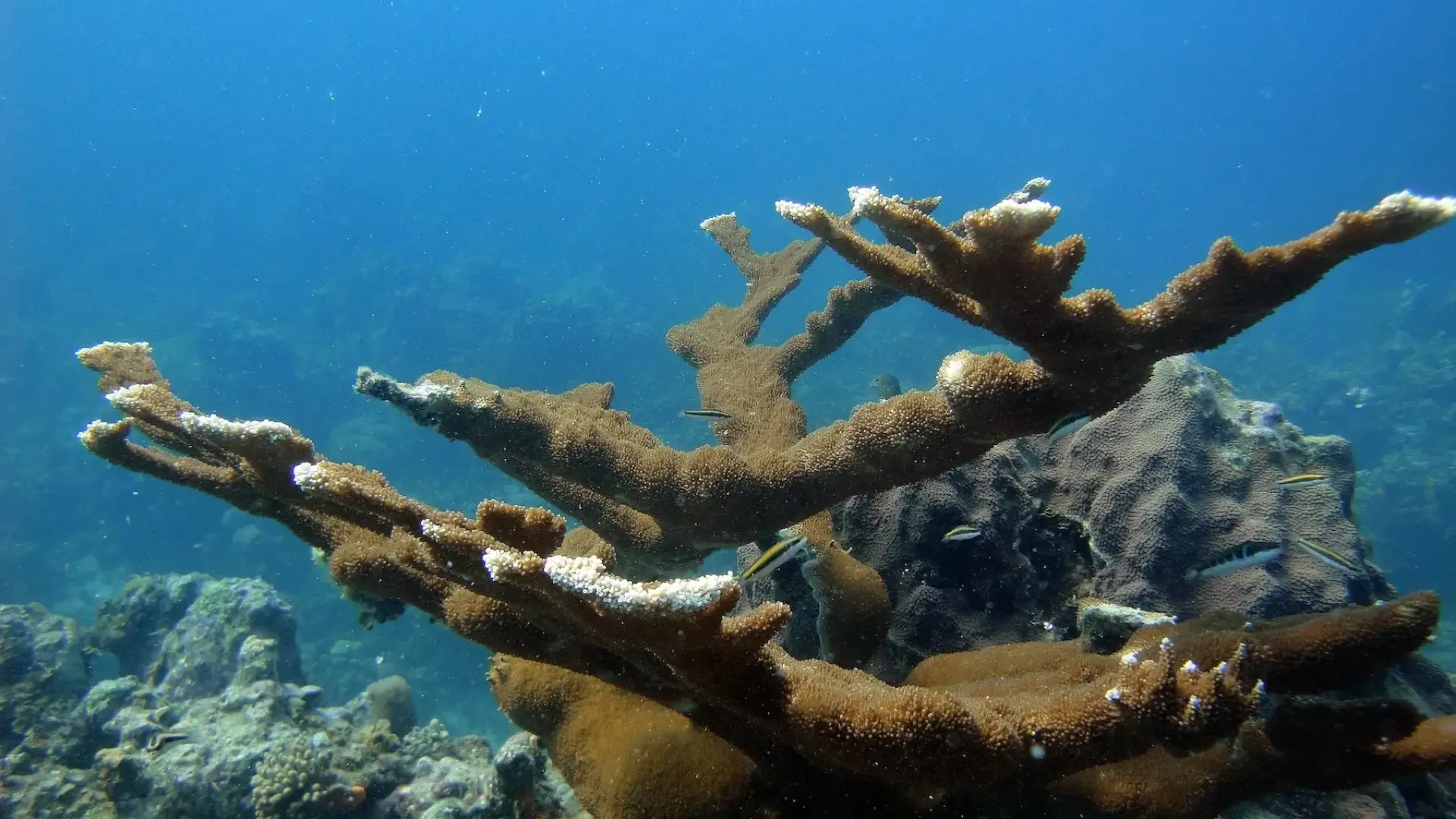
What Are Marine Protected Areas?
Marine Protected Areas (MPAs) are essentially sanctuaries in the ocean. They are special zones set up to protect the habitats, species, and natural processes that keep our marine ecosystems healthy and functioning. Think of them as national parks for the sea, where marine life is given different levels of protection from human activities that could cause harm.
The network of MPAs is large and growing. In UK waters alone, there are nearly 400, with thousands more established around the world. These protected areas represent our global commitment to preserving the ocean’s incredible biodiversity and health for us and for future generations.
What Role Does NOC Play in the MPA Network?
The National Oceanography Centre provides the scientific backbone for designing, monitoring, and managing MPAs around the world. Our work is built on the three key pillars of monitoring and observation, mapping, modelling and prediction and management support.
How Do We Track the Health of an MPA?
Our remotely operated vehicles (ROVs) and autonomous underwater vehicles (AUVs) can survey deep-sea environments, documenting species and habitats over wide areas.
Learn MoreWe deploy advanced instruments to measure environmental conditions and see how ecosystems are responding to protection.
We use remote sensing to get the big picture, tracking changes within and around MPAs from space.
Learn MoreHow Do We Help Design Better MPAs?
Our scientists create sophisticated maps and models to answer critical questions like:
- How can we best design an MPA to meet its conservation goals while considering local communities and economies?
- Where else may we expect to find specific threatened species or vulnerable ecosystems?
- How are protected ecosystems responding to the changing climate?
- Are nearby MPAs connected? How do larvae and animals move between them?
This predictive power ensures that MPAs are designed to be effective both now and in the future.
How Does Our Research Inform Policy?
We provide clear, evidence-based advice to a wide range of partners, including governments, NGOs, and international bodies. This helps to shape everything from national marine strategies to on-the-ground MPA management plans.
We’re developing next-generation monitoring tools, creating better ways to measure MPA effectiveness, and building adaptive frameworks so that protection strategies can respond to changing conditions.
How Do MPAs Fit Into Bigger Conservation Goals?
Our work directly contributes to ambitious global commitments, including the UK Marine Strategy and the "30x30" target, which is a global goal to protect 30% of the ocean by 2030. We also support the UN Sustainable Development Goals, especially Goal 14, which focuses on conserving and sustainably using our oceans.
What Research Has NOC Conducted on MPAs?
Our published research tackles fundamental questions about how MPAs work and, how marine habitats change on the long term - naturally, or as a result of human impacts. Our research has taken us to some amazing protected ecosystems, and has helped inform MPA science all over the world.
A bustling offshore reef in the Celtic Sea that provides a critical habitat for marine life, which we have documented extensively with our robotic vehicles.
Fragile, deep-sea cold-water coral habitats in the Atlantic that require long-term protection and monitoring.
A bustling offshore reef in the Celtic Sea that provides a critical habitat for marine life, which we have documented extensively with our robotic vehicles.
Fragile, deep-sea cold-water coral habitats in the Atlantic that require long-term protection and monitoring.
What Does the Future of MPAs Look Like?
To face the challenges of the future, MPAs may also need to be dynamic, with boundaries that can shift as conditions change. They will need to be more inclusive, with local communities involved in their governance, and better connected, functioning as a network to protect marine life. Above all, they will need to be based on the best available science.
As pressures on the ocean grow, from climate change to expanding industries, MPAs have to evolve to stay effective. A protected area designed for yesterday's conditions might not be enough to handle the threats of tomorrow as ecosystems shift and new challenges emerge.
What Vision Guides NOC's MPA Work?
We believe that effective ocean protection requires a blend of rigorous science and meaningful community engagement. Our research doesn't just identify where to draw lines on a map. It reveals how protection can create benefits that ripple through ecosystems and economies, and how we can ensure these ocean sanctuaries remain effective as our planet changes.
By providing the science that makes MPAs more effective, NOC helps ensure that we can protect our incredible marine biodiversity while supporting a sustainable human relationship with the ocean.
Work With Us: Global Representation
NOC currently plays a vital role in delivering scientific and technical advice to underpin diverse UK interests in international ocean affairs. To achieve this, NOC draws on a critical mass of independent, distinctive scientific and technical expertise across a broad range of disciplines, and we use these to engage with international partners.