

What Capabilities Does Autosub 5 Provide?
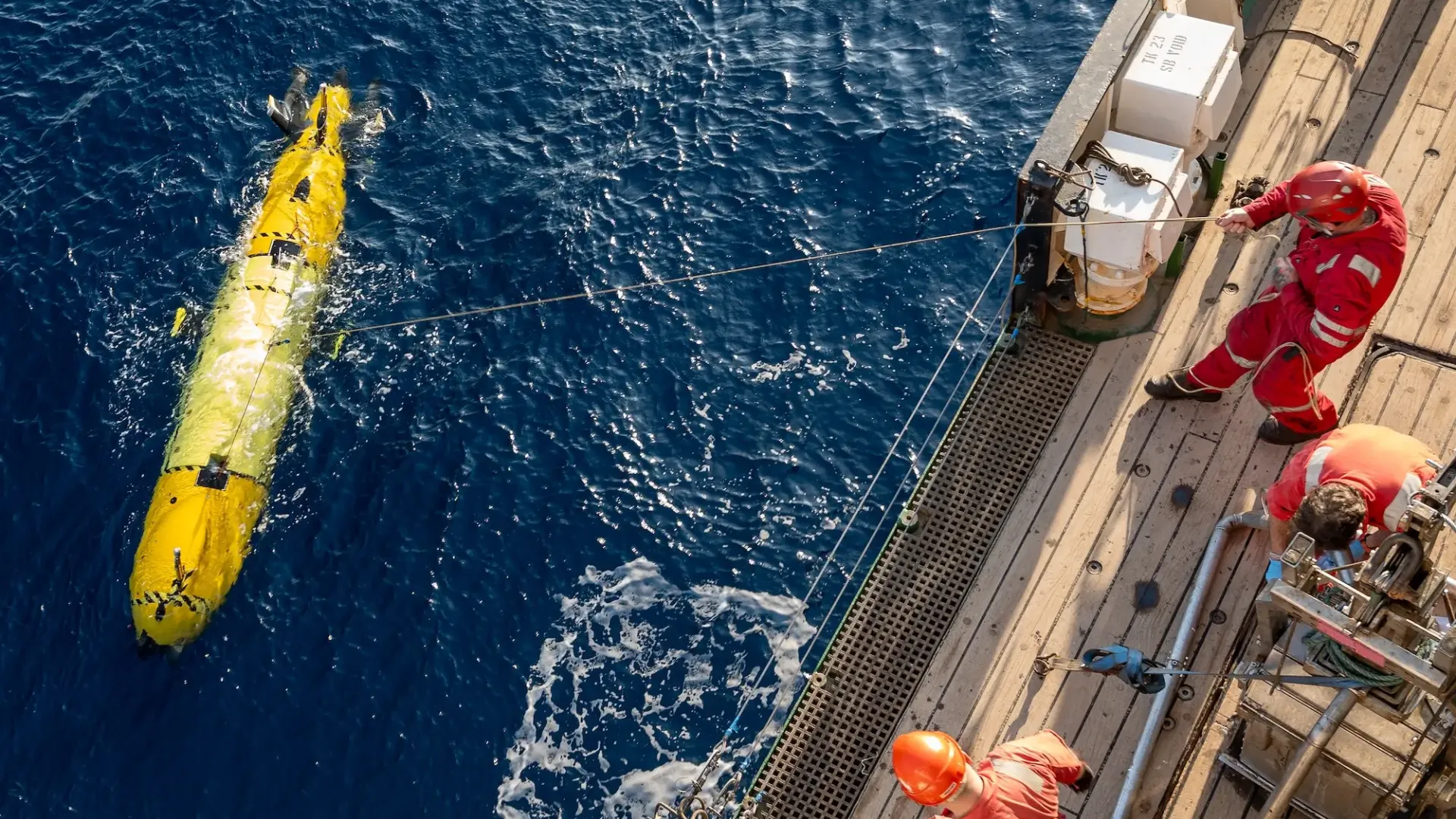
Autosub 5 has been designed as a high-power, ship-launched platform for detailed investigation of the seafloor and water column. Its advanced sonar and camera systems capture extraordinarily detailed views of the seabed and the marine life living there, whilst its modular design means we can accommodate new sensors as they're developed. This adaptability ensures the platform evolves with scientific needs rather than becoming obsolete as technology advances.
The vehicle's improved obstacle avoidance systems enable safe operation in challenging terrain. That's the kind of rough topography you find in submarine canyons and around coral mounds where precise navigation matters enormously. The integration of NOC's RoCSI sensor for environmental DNA sampling represents exactly the kind of capability this modular approach enables, allowing us to conduct genetic surveys of marine biodiversity without physically disturbing habitats. Whilst ALR excels at covering vast distances independently, Autosub 5 thrives in its complementary role conducting intensive surveys with the support of a research vessel, carrying more complex sensor payloads and diving repeatedly in areas where detailed investigation matters most.
How Do Sensors Integrate with Autosub 5?
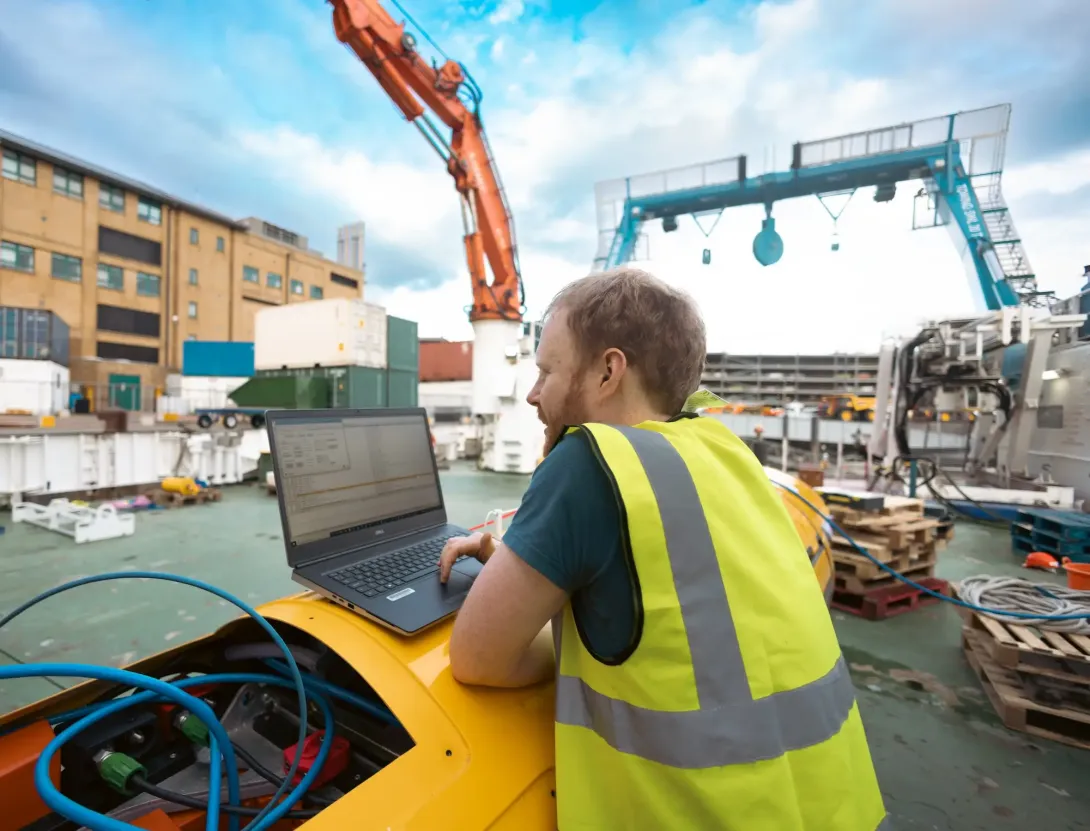
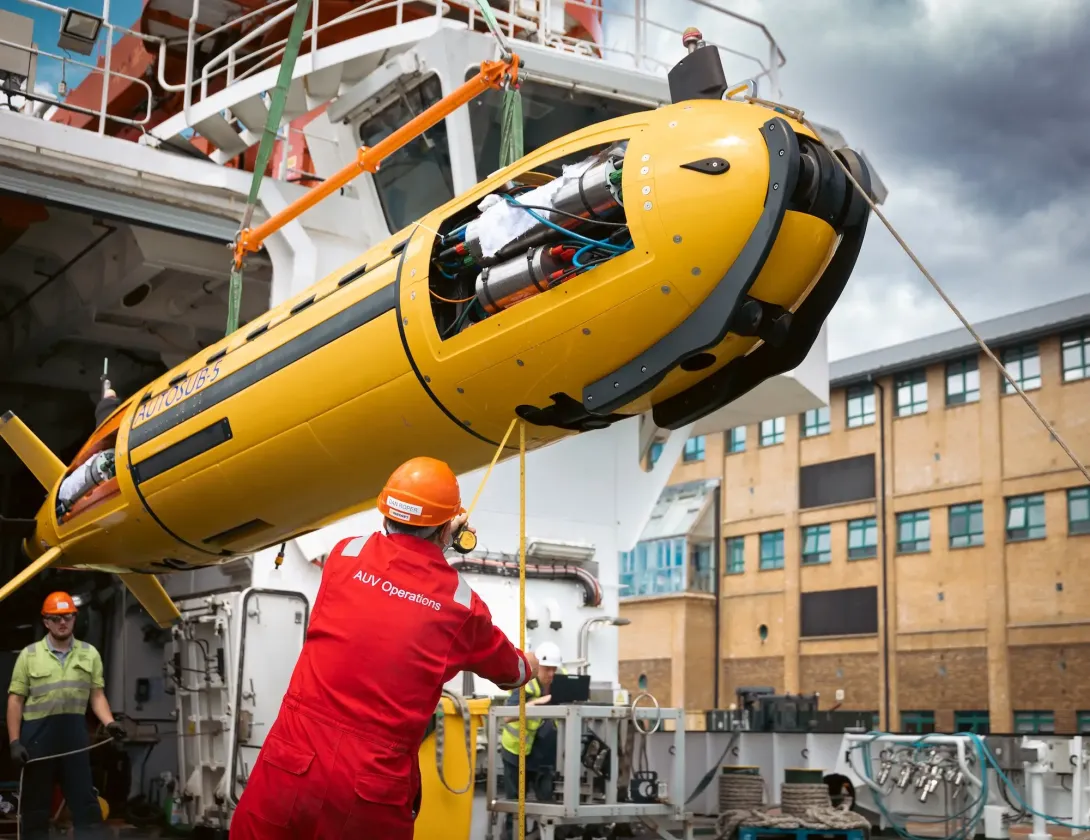
Autosub 5's modular design approach solves a persistent problem in ocean technology: how do you build a platform that remains useful as sensors and scientific priorities evolve? The vehicle incorporates standardised electrical and mechanical interfaces where sensors can connect, similar to how you might plug peripherals into a computer. New instruments integrate into the mission planning and data collection systems through software, whilst the vehicle provides both power and data connectivity for whatever sensors are installed.
This flexibility means different sensor packages can be swapped in for different research objectives. When we developed the RoCSI environmental DNA sensor, we could integrate it into Autosub 5 without redesigning the vehicle itself. As new sensors are developed, whether advanced optical systems, novel biogeochemical instruments, or technologies we haven't even imagined yet, they can be incorporated into the platform. This approach means Autosub 5 isn't locked into today's technology but rather serves as a platform that evolves with scientific capability, protecting the substantial investment in the vehicle itself whilst enabling new science as methods advance.
Learn More About Sensors
How Does Autosub 5 Transmit Data?
Autosub 5 typically stores data onboard for download after the research vessel recovers it following each dive. This approach makes sense for ship-supported operations where the vehicle returns to the vessel regularly. The stored data provides complete, high-resolution records without the bandwidth limitations that satellite communication imposes.
Where Has Autosub 5 Been Deployed Recently?
The Whittard Canyon expedition during DY200 showcased what Autosub 5 can achieve in challenging conditions. After improving the vehicle's obstacle avoidance system, we successfully deployed it to conduct underwater camera surveys at just three metres altitude, remarkably close to the seafloor, navigating the rough terrain of coral mounds on the Whittard Canyon interfluves. This isn't the kind of flying you'd want to attempt without confidence in your sensors and control systems, given the irregular topography and the scientific value of the habitats below.
The mission had a clear purpose beyond demonstrating technical capability. Autosub 5's camera images, combined with sonar bathymetric data, have been critical for monitoring the impact of the bottom trawling ban introduced for Whittard Canyon in 2022. Being able to document precisely what these protected areas look like and how they change over time provides the evidence base for assessing whether conservation measures are actually working.
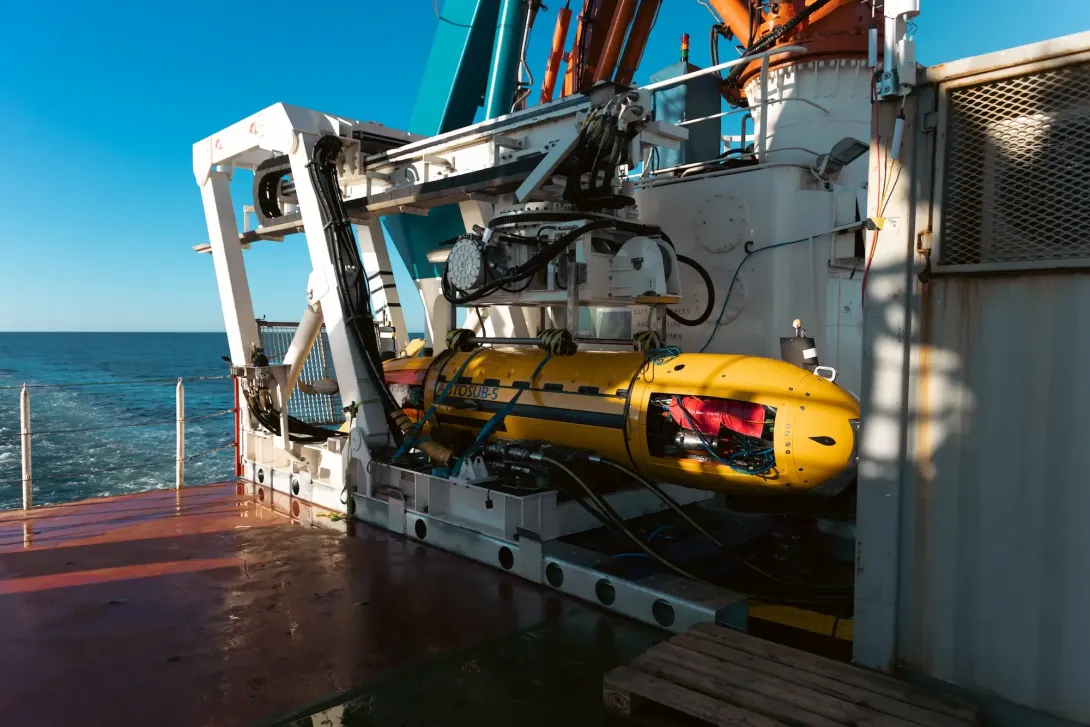
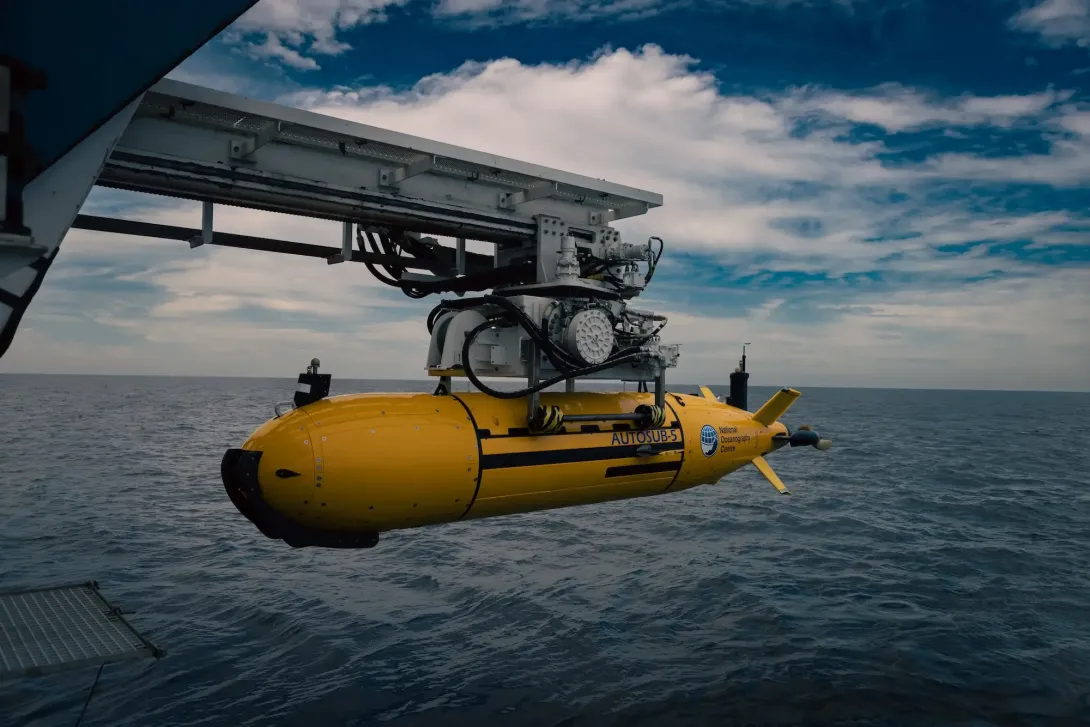
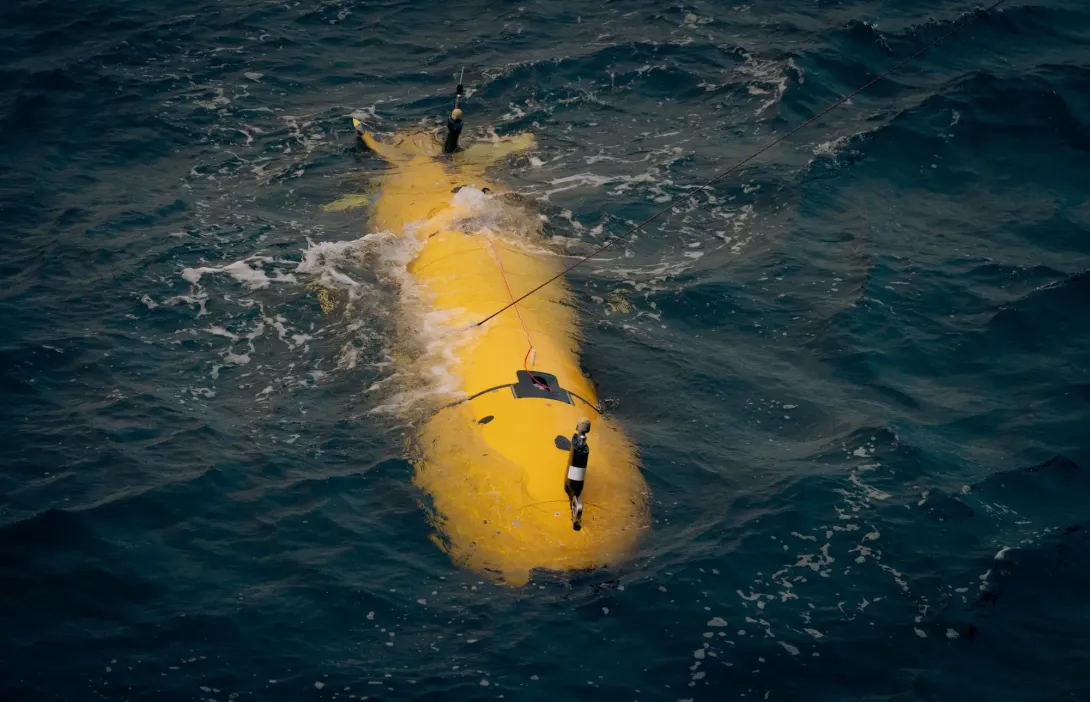
In Action: Autosub 5 Gallery
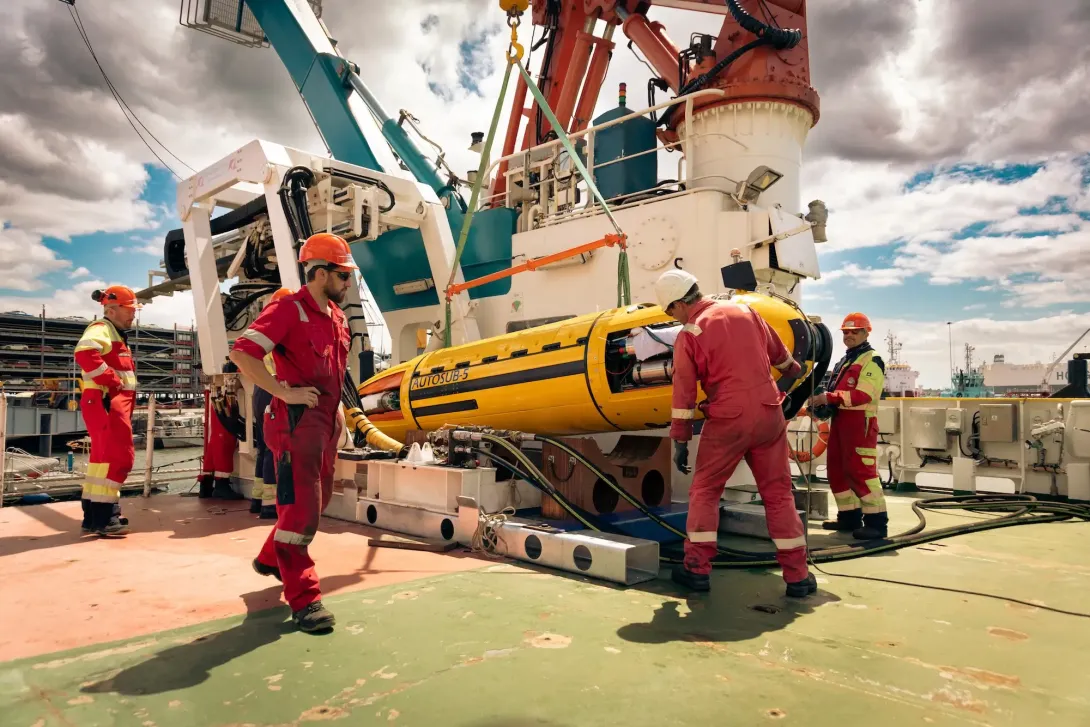
In June 2022, Autosub 5 was deployed on DY152 to complete sidescan sonar mapping of the Whittard Canyon, as well as to collect images of seafloor and marine life. This was the final commissioning trial of the vehicle after years of development.
What Future Developments are Planned?
Autosub technology continues evolving to meet emerging scientific needs, with several developments already planned or underway. The new sensor suite being prepared for Autosub 5's 2026-2027 deployment will quantify turbidity and phytoplankton levels in trawling plumes, directly supporting sustainable fisheries research. Beyond specific sensor packages, we're developing vehicles capable of making more sophisticated decisions about where to sample and what phenomena merit closer investigation, moving beyond pre-programmed missions toward truly adaptive exploration.
NOC's Groundbreaking Scientific Expeditions
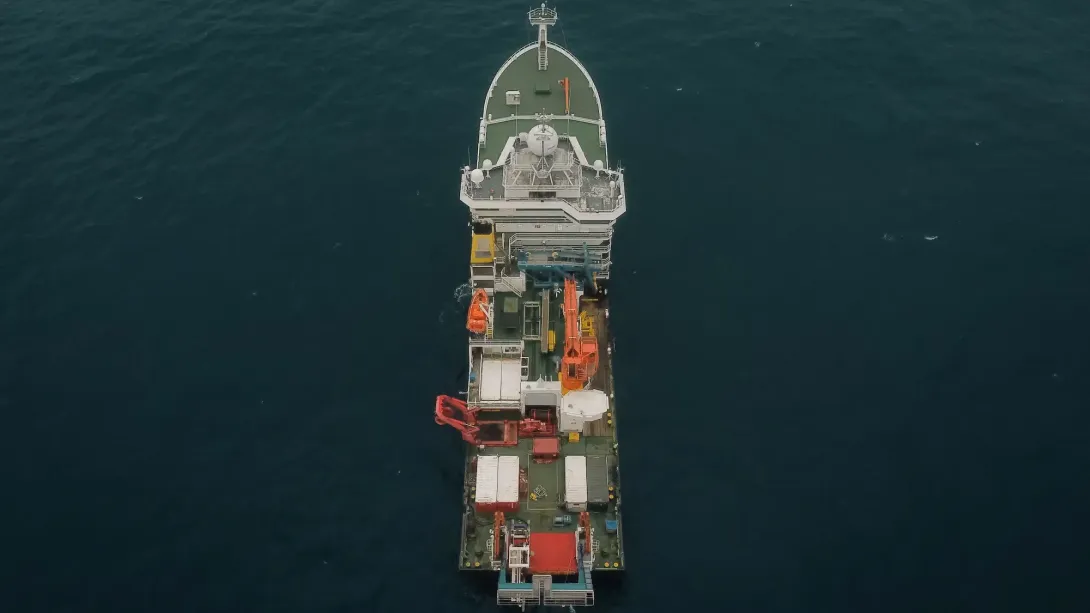
NOC operates two world-class research ships, RRS Discovery and RRS James Cook, that travel all over the globe enabling scientists and researchers to carry out vital marine science that further develops our knowledge of how the ocean works and the impact climate change is having on it.