

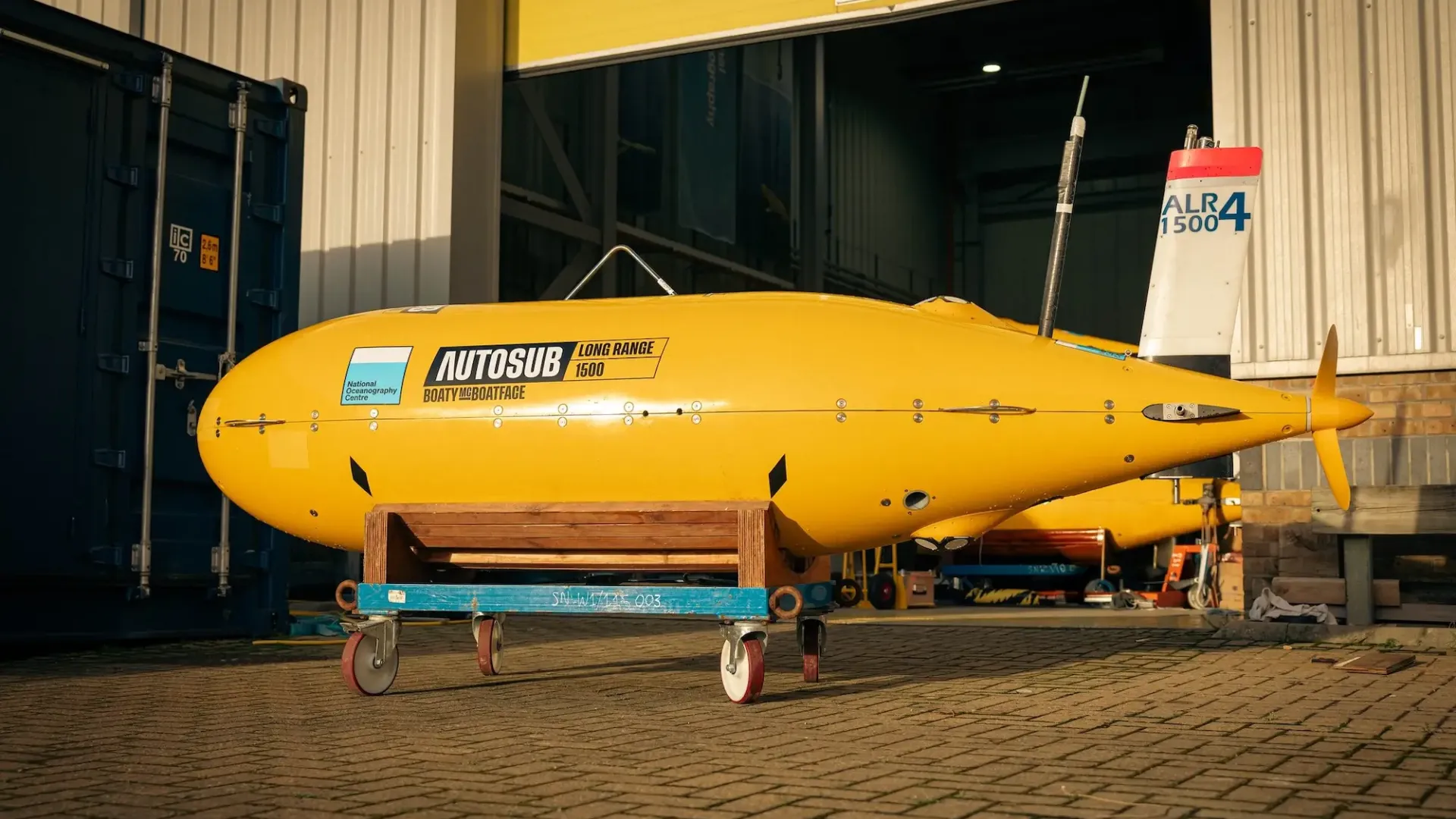
What Makes Autosub Long Range Unique?
Autosub Long Range represents something of a breakthrough in autonomous ocean observation. With its 2,000-kilometre range, it can undertake missions spanning weeks at a time, covering distances that would otherwise require substantial ship time and fuel consumption. But range is only part of what makes ALR distinctive. The vehicle transmits data back to scientists via Iridium satellite, which means we can monitor missions in real time and even adapt them if something interesting appears, all without physically recovering the vehicle.
This satellite communication capability enables truly ship-independent operations. We can deploy and recover ALR without dedicating a major research vessel to the task, dramatically reducing both operational costs and carbon emissions. The vehicle's 6,000-metre depth rating provides access to abyssal plains and deep ocean trenches, whilst its ability to maintain presence in challenging environments, including under ice or in stormy seas where ships cannot operate safely or economically, opens up research possibilities that were previously impractical. The sustained observation capability matters enormously for understanding processes that unfold over days or weeks rather than hours.
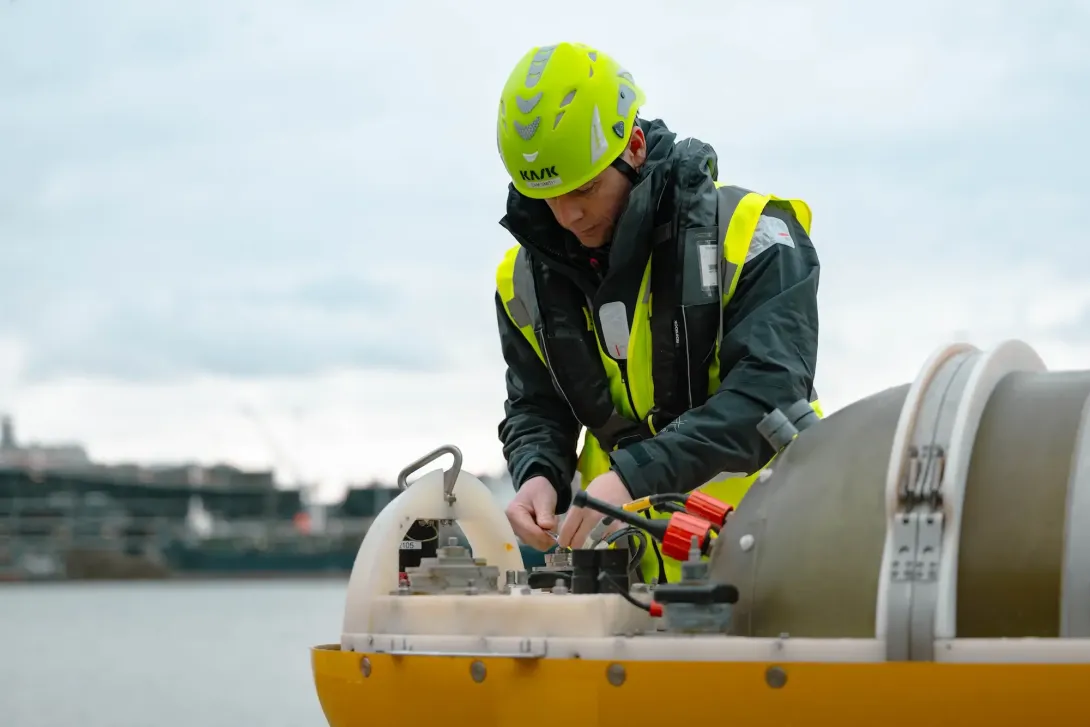
How Does Autosub Long Range Transmit Data?
Autosub Long Range relies on Iridium satellite communication to transmit data whilst at the surface. During extended missions, the vehicle periodically surfaces to send data back to scientists on shore and receive any mission updates, then dives again to continue operations. This capability proves transformative because it provides real-time data access from anywhere in the world, enables mission monitoring and adaptation without physical recovery, allows early identification of particularly interesting findings, and provides continuous safety monitoring of vehicle status.
Where Has Autosub Long Range Been Deployed Recently?
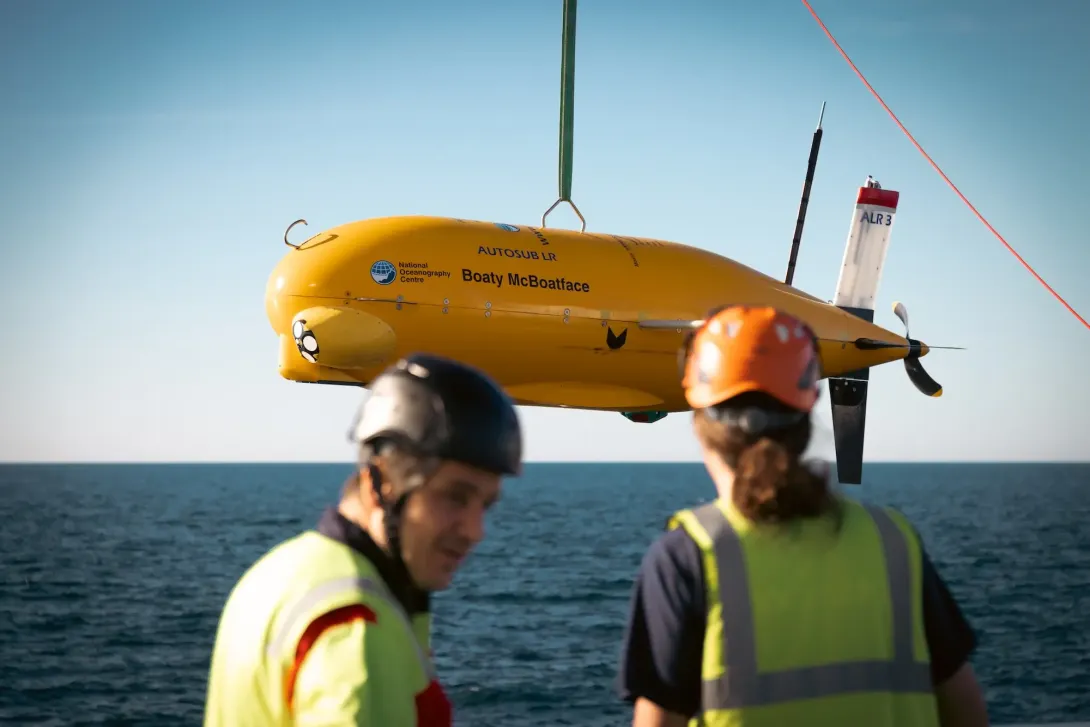
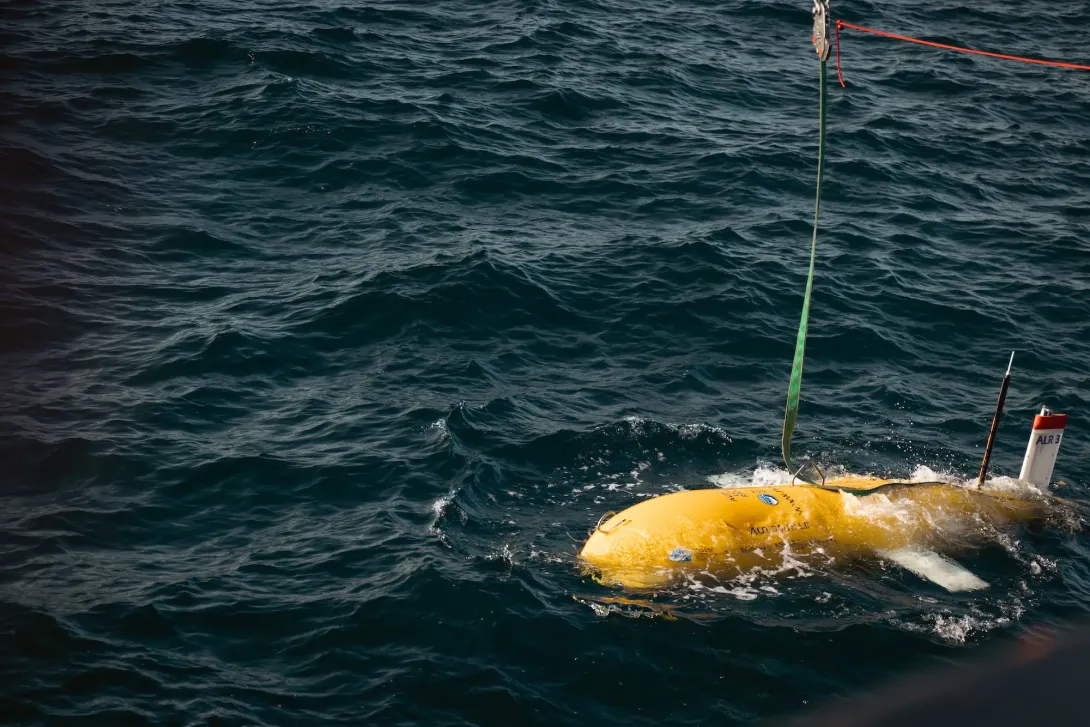
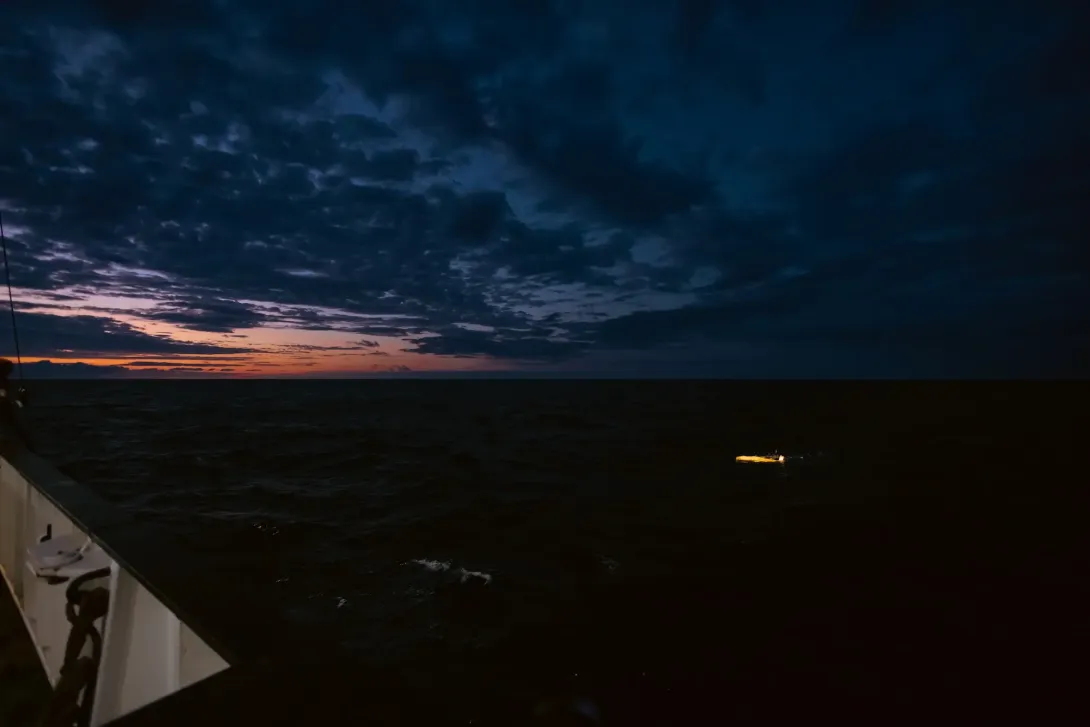
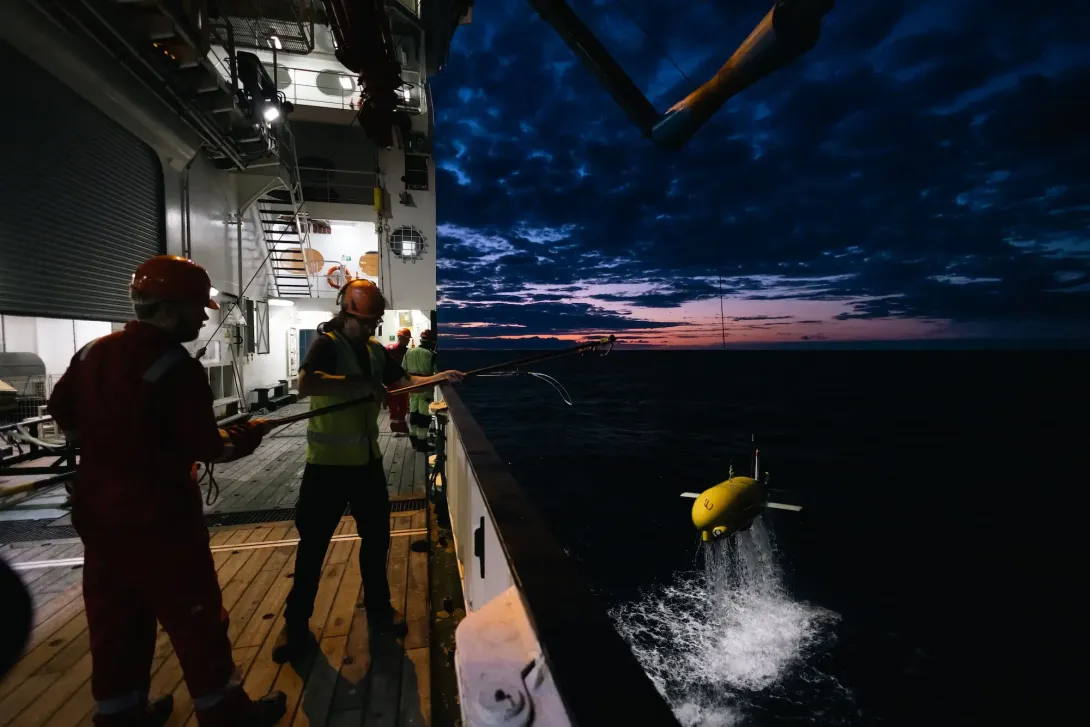
In August 2024, a mission saw the use of two Autosub Long Range vehicles, both equipped with a suite of cutting-edge sensors to analyse the biology and chemistry of the ocean. The sensors, many of which are developed at NOC, have provided the scientists with unprecedented amounts of information on the changing conditions in the ocean in near-real-time.
The mission marked the first country to country deployment for an ALR, crossing the Iceland Basin from Vestmannaeyjar to Harris, in the Scottish Outer Hebrides. This is also the first time NOC engineers have deployed two ALRs simultaneously for one mission, pushing the boundaries of robotic ocean exploration.
In Action: Autosub Long Range Gallery
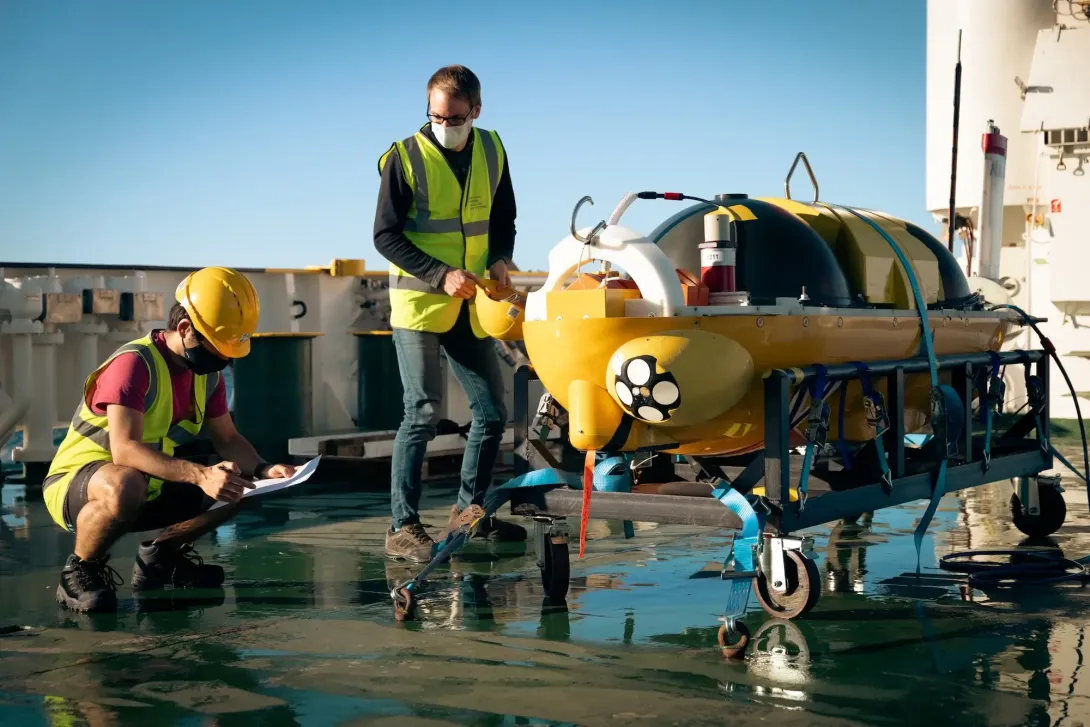
In June 2022, Autosub Long Range was deployed on DY152 into Haig Fras, a Marine Protected Area of Celtic Sea lying about 95 km northwest of the Isles of Scilly, and the deep waters of the Whittard Canyon complex 300km to the south west. The AUV was fitted with BioCam, a unique and low power 3D visual mapping system that can obtain highly detailed colour images and topographical measurements of the seafloor such as measuring the cover of live cold-water coral within Darwin Mounds marine protected areas or the benthic habitat of Haig Fras.
What Future Developments Are Planned?
Work on swarm operations explores how multiple vehicles might work together, coordinating their efforts to cover larger areas or investigate phenomena from multiple perspectives simultaneously. Extending vehicle endurance through improved energy systems will enable longer missions and greater range. As new sensor technologies mature, from advanced biogeochemical instruments to AI-powered image analysis systems, we're developing the integration pathways that will bring them into operational use. These developments aren't about technology for its own sake but about extending the reach and capability of autonomous ocean research to address questions we currently struggle to answer.
NOC's Groundbreaking Scientific Expeditions
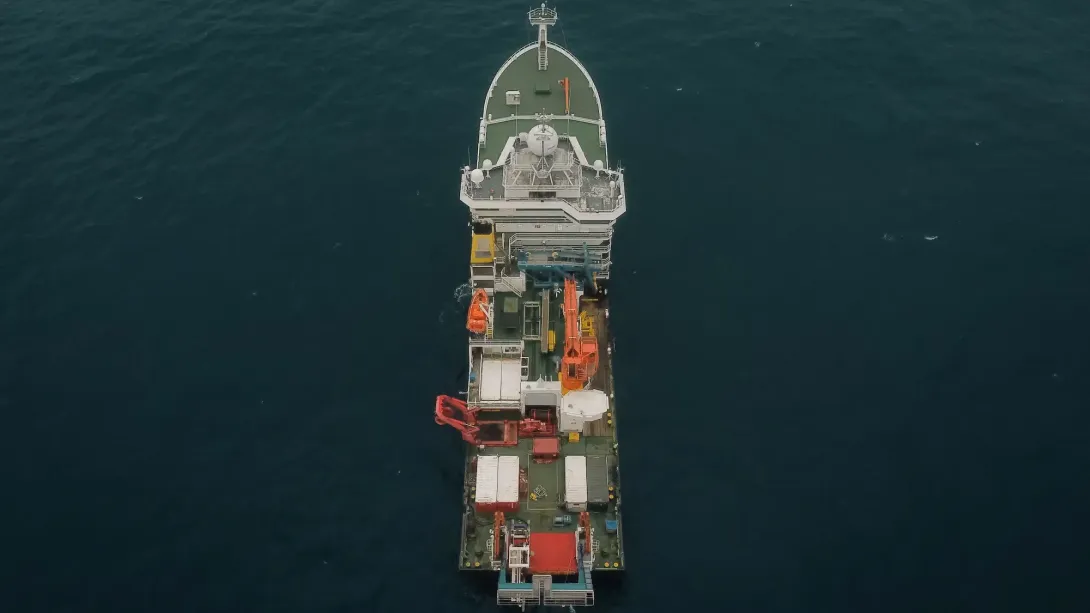
NOC operates two world-class research ships, RRS Discovery and RRS James Cook, that travel all over the globe enabling scientists and researchers to carry out vital marine science that further develops our knowledge of how the ocean works and the impact climate change is having on it.