

Pushing the Boundaries of Technology Development
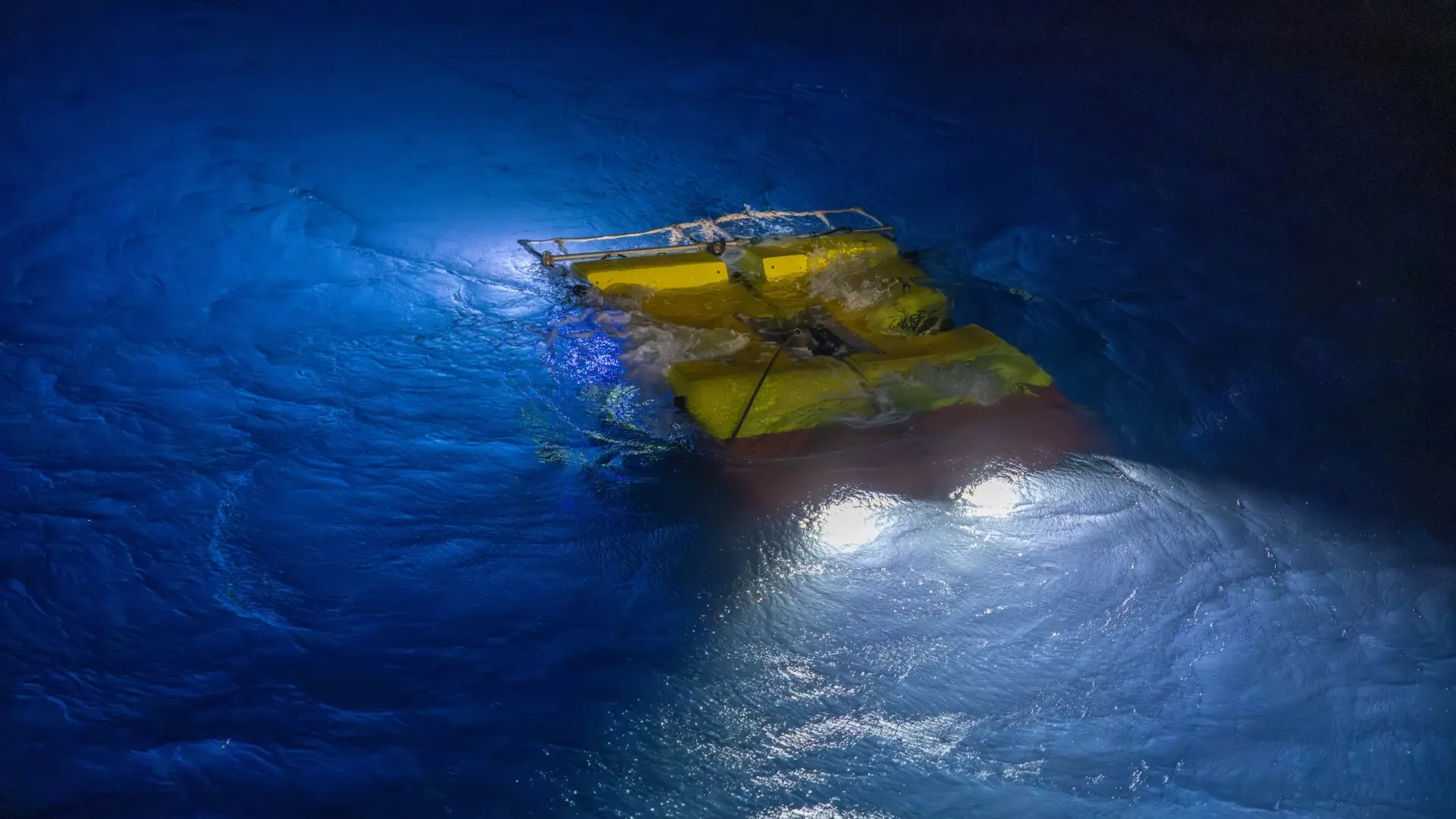
NOC has been a pioneer of ocean technology for generations. From the conception of tide predicting machines to deploying one of the first ever autonomous vehicles, technological developments in marine autonomy and observing tools has enabled marine science to reach some areas of the ocean once unable to reach by humans.
Today, NOC's abundance of world-leading technology allows society to advance our knowledge of the ocean on a worldwide scale. Their growing capability has transformed our ability to monitor the oceans by enabling autonomous, adaptive and persistent observations from the surface to the deepest depths and furthest reaches of the oceans. Explore what NOC has to offer below.
Our Engineering Areas
NOC's marine technology development comes in all shapes and sizes. Our fleet of autonomous and remotely operated vehicles explore the deepest depths for up to days at one time, while our sensors can collect and study an array of different parameters. To compliment this, NOC is involved in coordinating and contributing to some of the biggest ocean observing efforts undertaken.
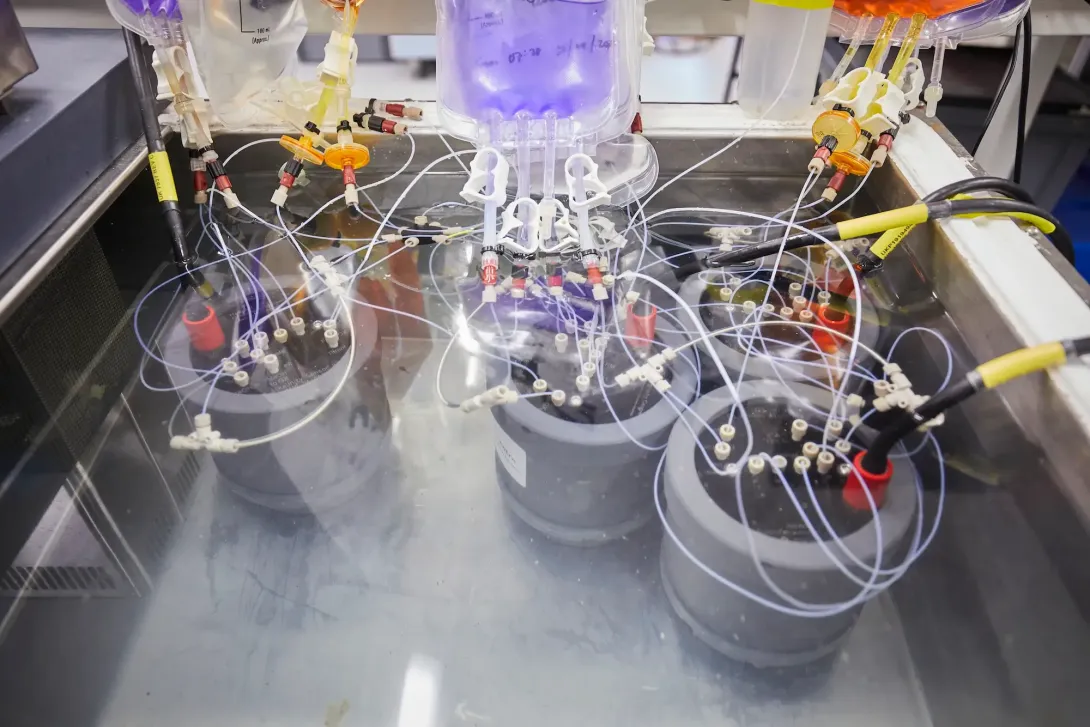
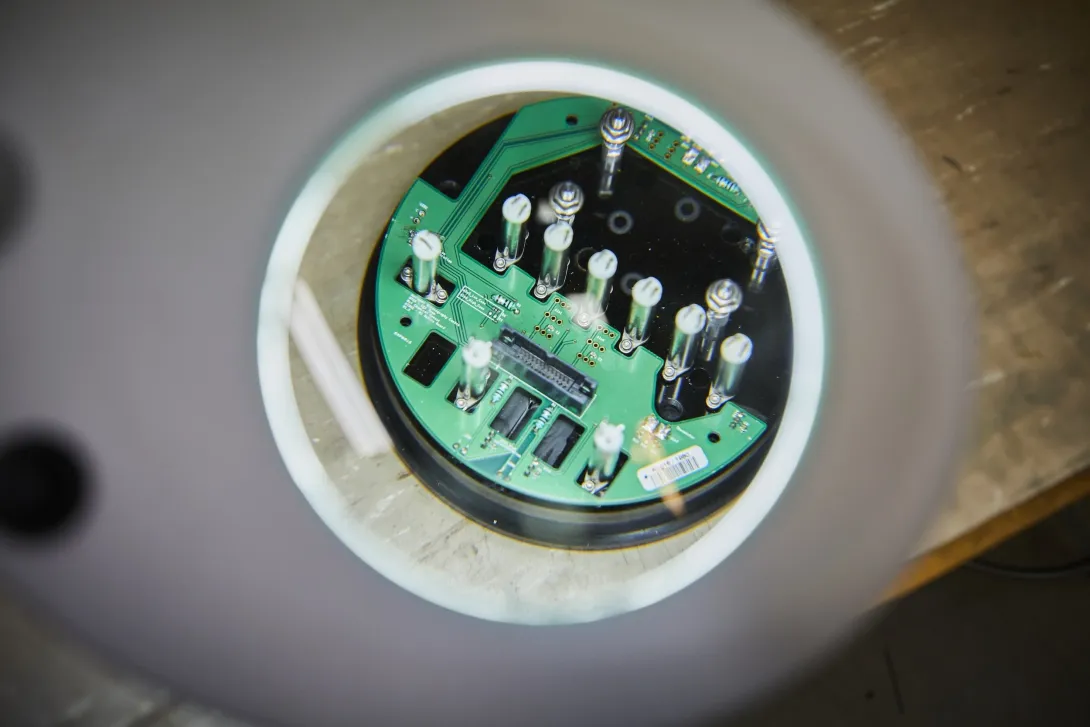
What is the National Marine Equipment Pool (NMEP)?
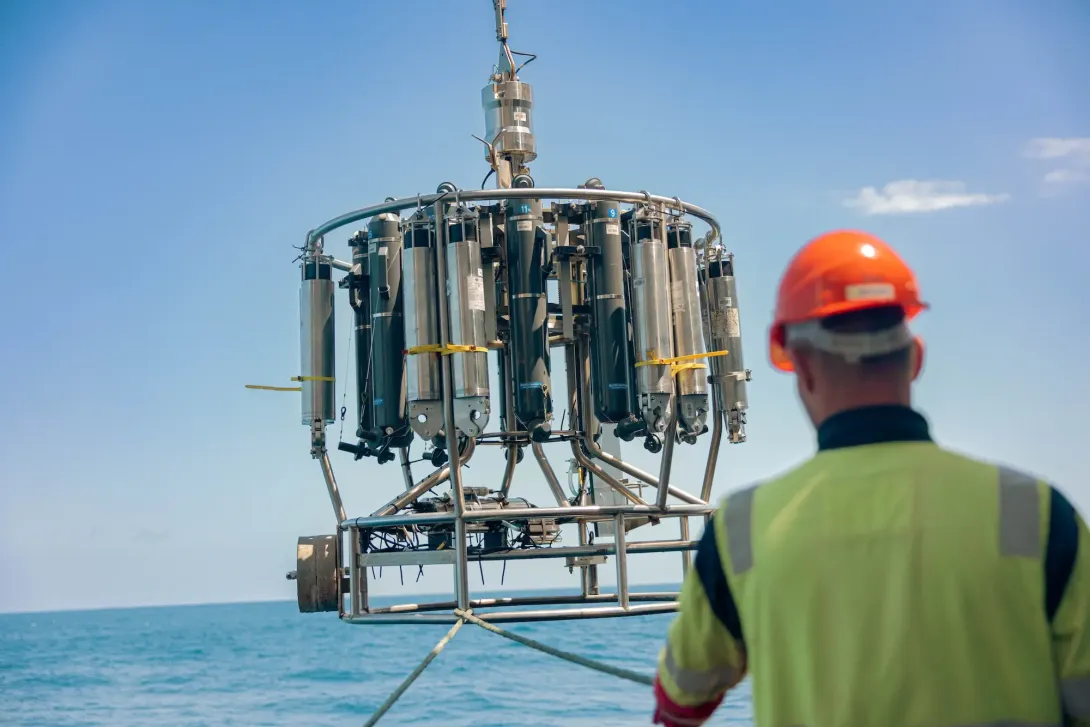
The National Marine Equipment Pool (NMEP) is the largest centralised marine scientific equipment pool in Europe with a diverse range of scientific instruments and equipment capable of sampling from the sea surface to the deep ocean. Holding more than 10,000 instruments and technologies, it provides scientists with access to skilled marine technicians and engineers.
Our people specialise in every stage of the development and deployment of the equipment that we provide to scientists for research expeditions. Working together with the international scientific community, the NMEP is a hub for advice and expertise for current and future technologies.
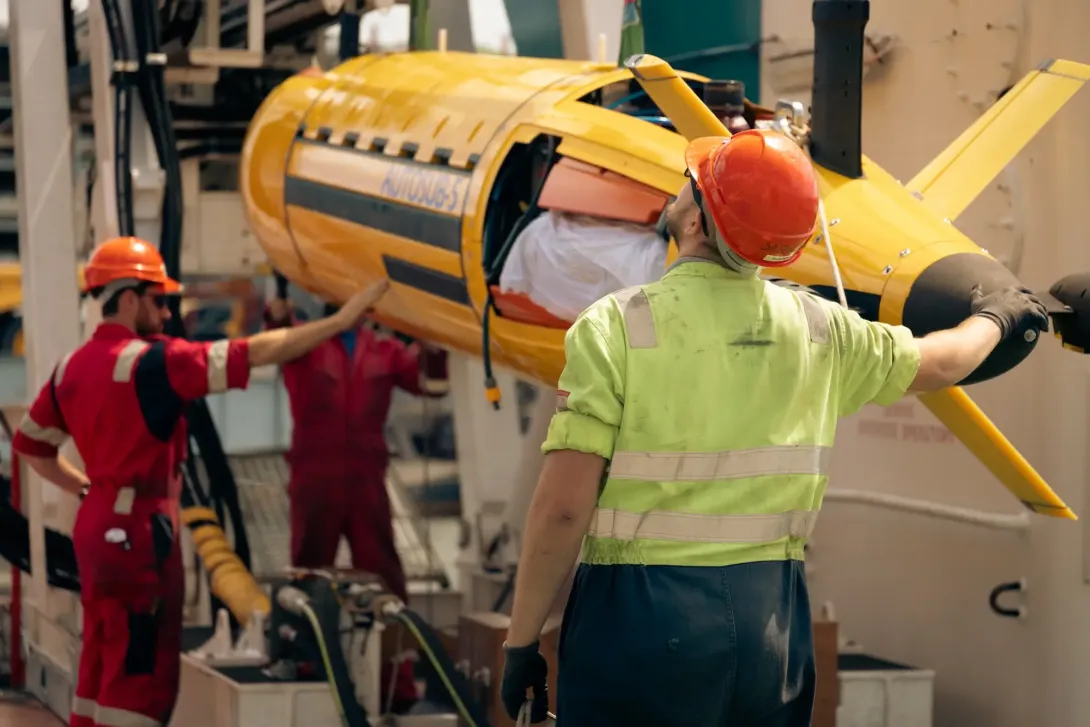
Who Are Marine Autonomous and Robotic Systems (MARS)?
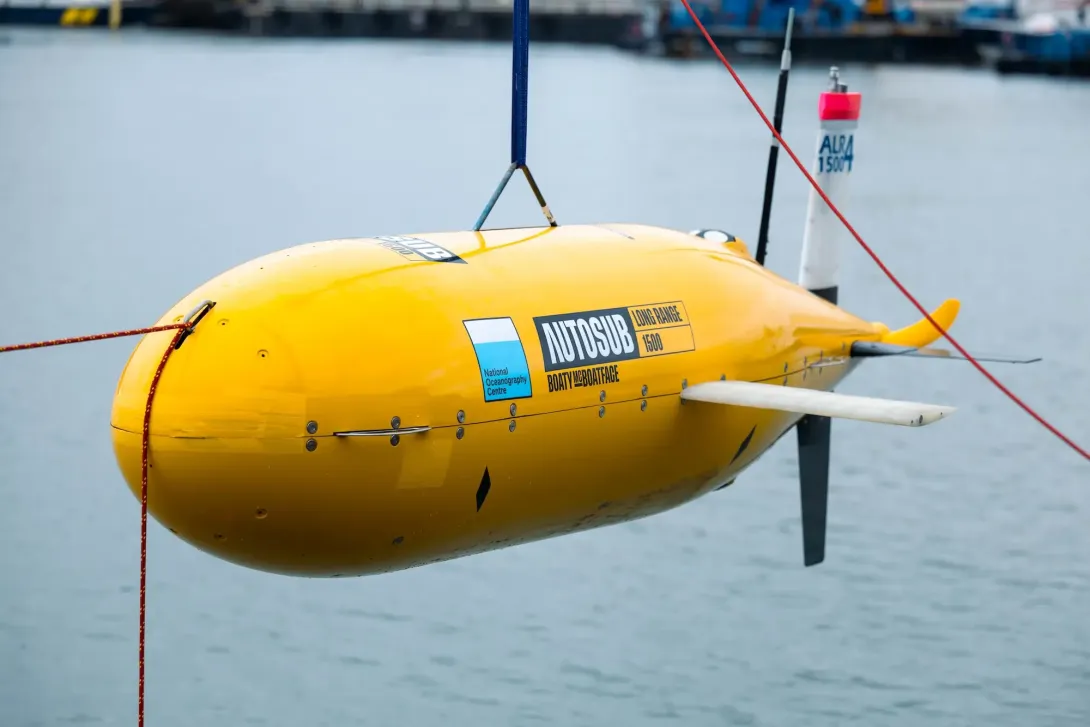
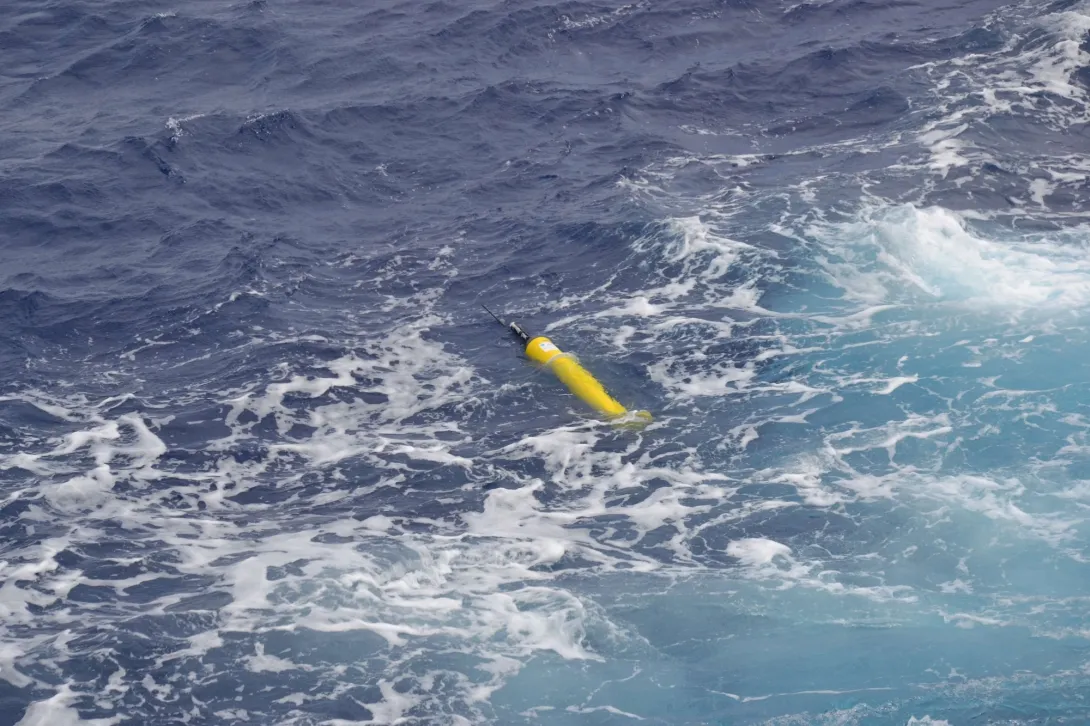
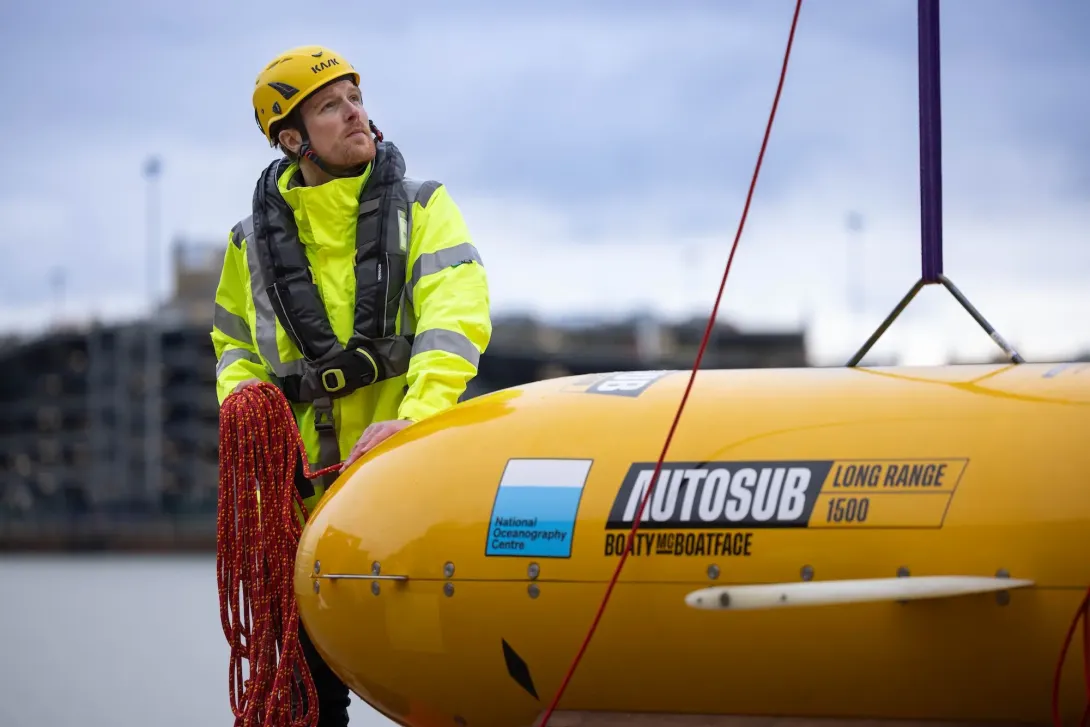
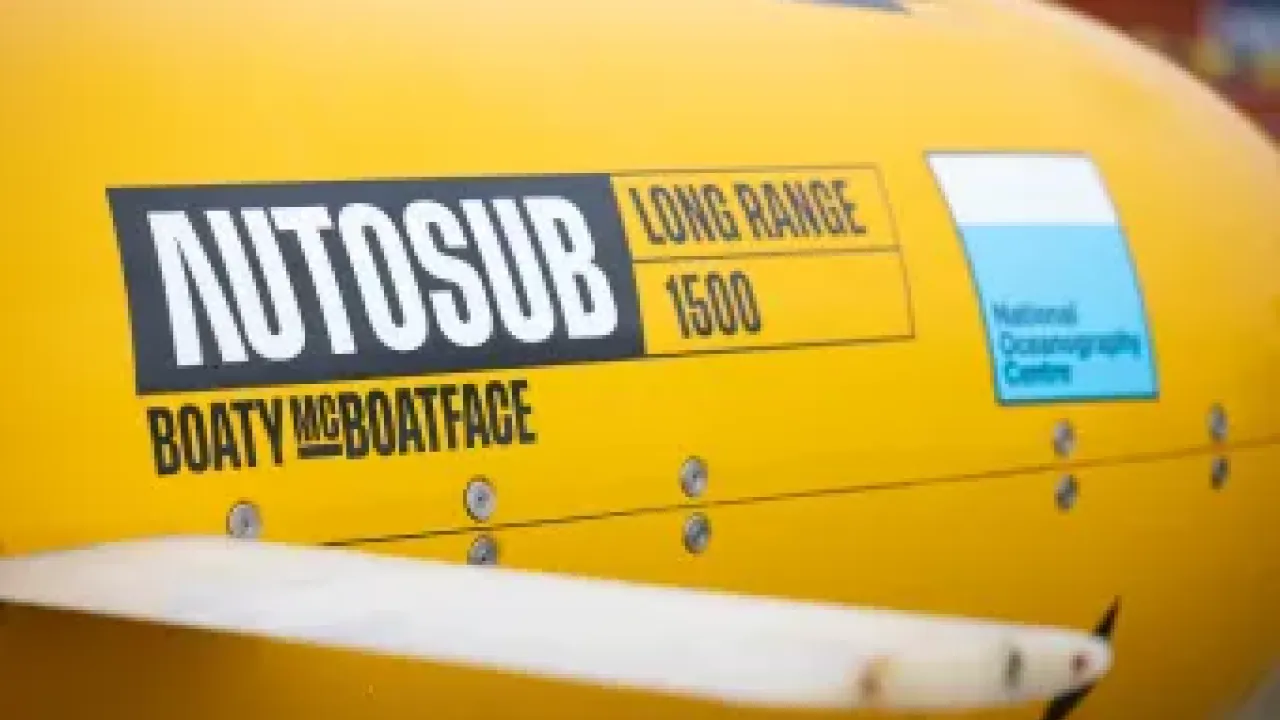
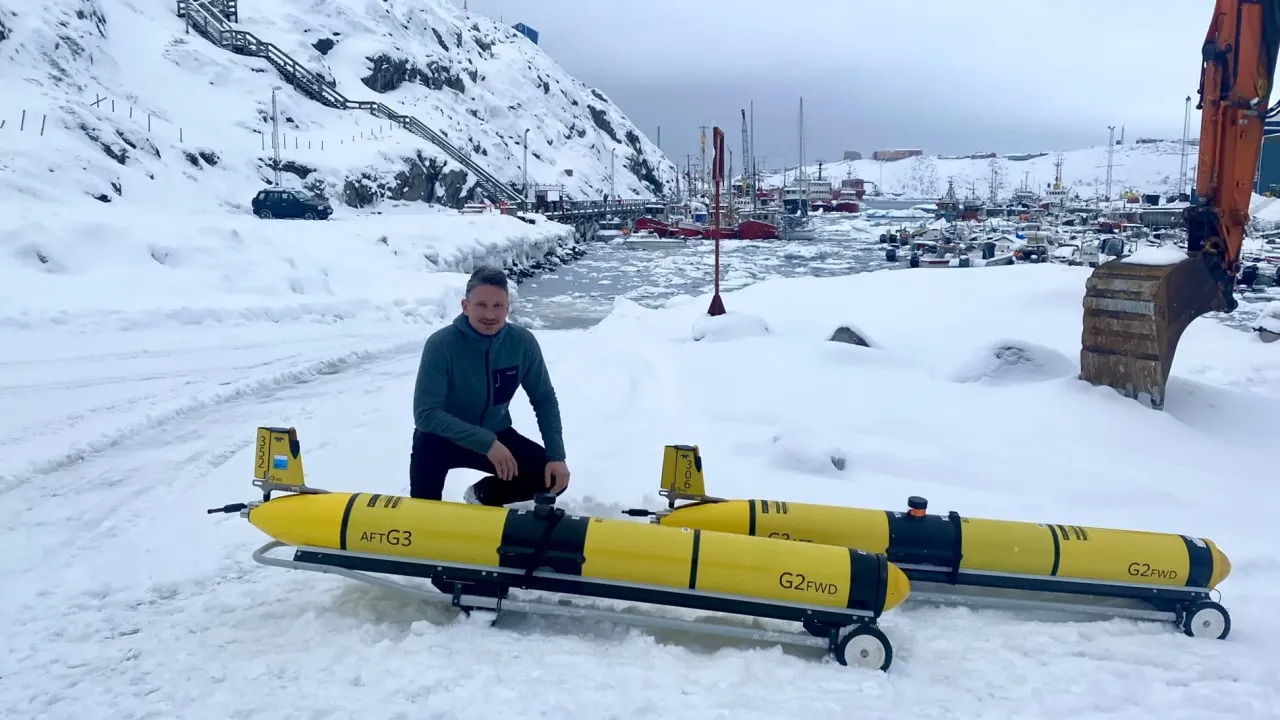
The Marine Autonomous and Robotics Systems (MARS) team at NOC designs, builds, and operates a world-class fleet of underwater robots, including Autonomous Underwater Vehicles (AUVs), Gliders, and Remotely Operated Vehicles (ROVs), to advance marine scientific research.
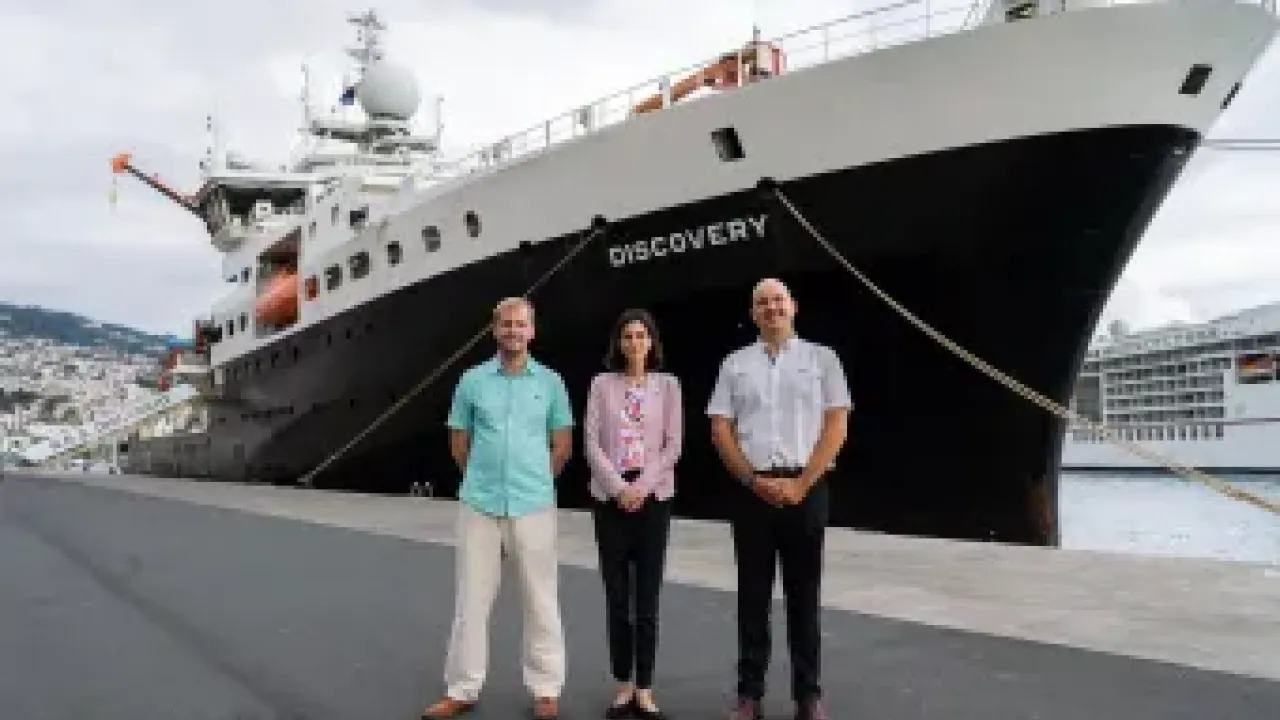
The MARS fleet is one of the largest and most advanced in the world, and alongside working with the research ships NOC operates the fleet explores some of the ocean's most remote areas.
Hear From Our Director of Engineering Science
Engineering plays a key role in delivering NOC’s strategy. We enable our mission networks by designing, building and operating the platforms and technologies needed to observe and explore the ocean. Through the National Marine Facilities (NMF), we also provide the operational support that helps the wider UK marine science community access and use world-class capability. Over the coming years, our focus will be on innovation in autonomous systems, next-generation sensors, and sustained ocean observation. This will extend our reach, improve reliability at sea, and speed up the delivery of new insights. It will also strengthen our mission networks and support NOC’s ambition to generate deeper knowledge of the ocean and deliver value to society. By keeping our engineering priorities aligned with NOC’s strategic goals, we will continue to build strong partnerships and the resilient technical foundations needed to lead in global ocean science and technology—while sustaining the NMF as a national facility that supports the wider UK marine science community. "
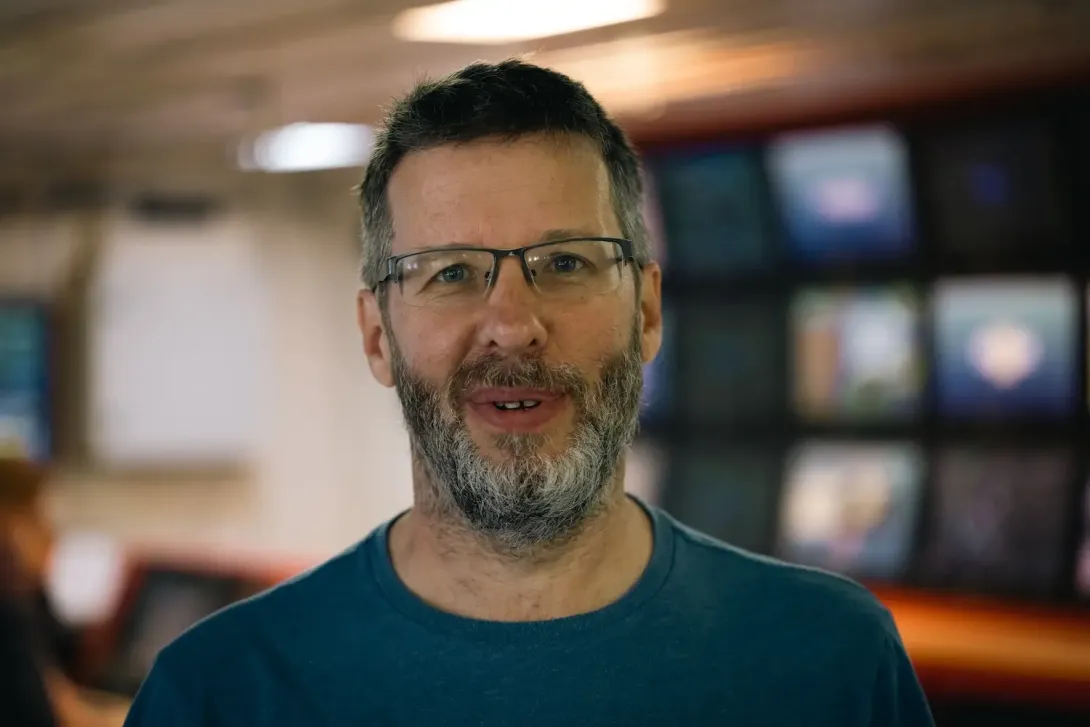
Engage with Marine Technology Conversations

Marine Technology Publications
Beaton, Alexander B.; Hendry, Katherine R.  ORCID: https://orcid.org/0000-0002-0790-5895; Hatton, Jade E.; Patey, Matthew D. ORCID: https://orcid.org/0000-0001-8677-2818; Mowlem, Matthew; Clinton-Bailey, Geraldine; Lopez-Garcia, Patricia ORCID: https://orcid.org/0000-0002-4689-2775; Woodward, E. Malcolm S.; Meire, Lorenz.
2025
High-Resolution Sensors Reveal Nitrate and Dissolved Silica Dynamics in an Arctic Fjord.
Journal of Geophysical Research: Biogeosciences, 130, e2024JG008523.
12, pp.
10.1029/2024JG008523
ORCID: https://orcid.org/0000-0002-0790-5895; Hatton, Jade E.; Patey, Matthew D. ORCID: https://orcid.org/0000-0001-8677-2818; Mowlem, Matthew; Clinton-Bailey, Geraldine; Lopez-Garcia, Patricia ORCID: https://orcid.org/0000-0002-4689-2775; Woodward, E. Malcolm S.; Meire, Lorenz.
2025
High-Resolution Sensors Reveal Nitrate and Dissolved Silica Dynamics in an Arctic Fjord.
Journal of Geophysical Research: Biogeosciences, 130, e2024JG008523.
12, pp.
10.1029/2024JG008523
2025
Article
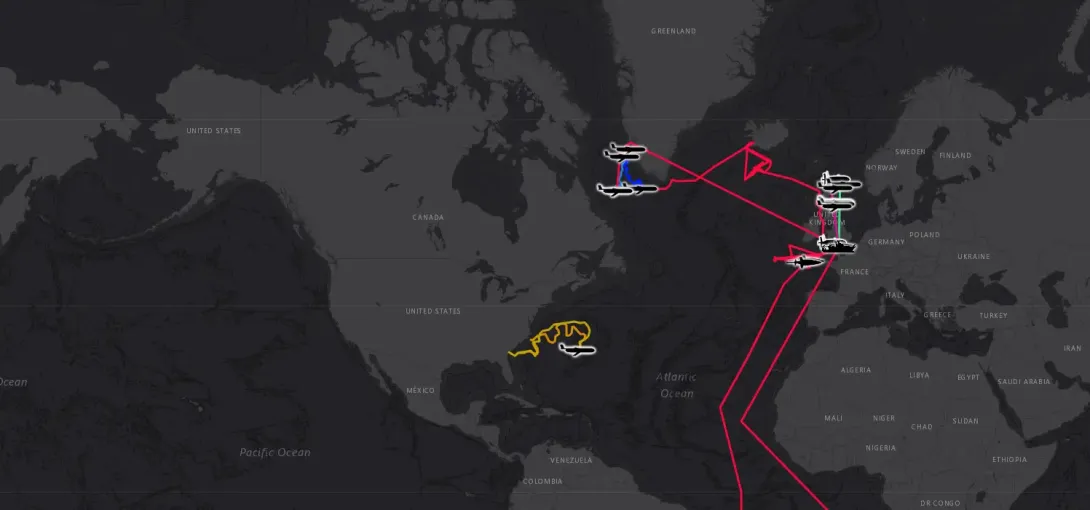
Where Are Our Vehicles Right Now?
Our research ships and fleet of autonomous vehicles are regularly out on expeditions and deployments, working on global projects and missions to enhance our knowledge of the ocean. Through Fleet Finder, you can track exactly where our vehicles are and learn more about the projects they are contributing to.