
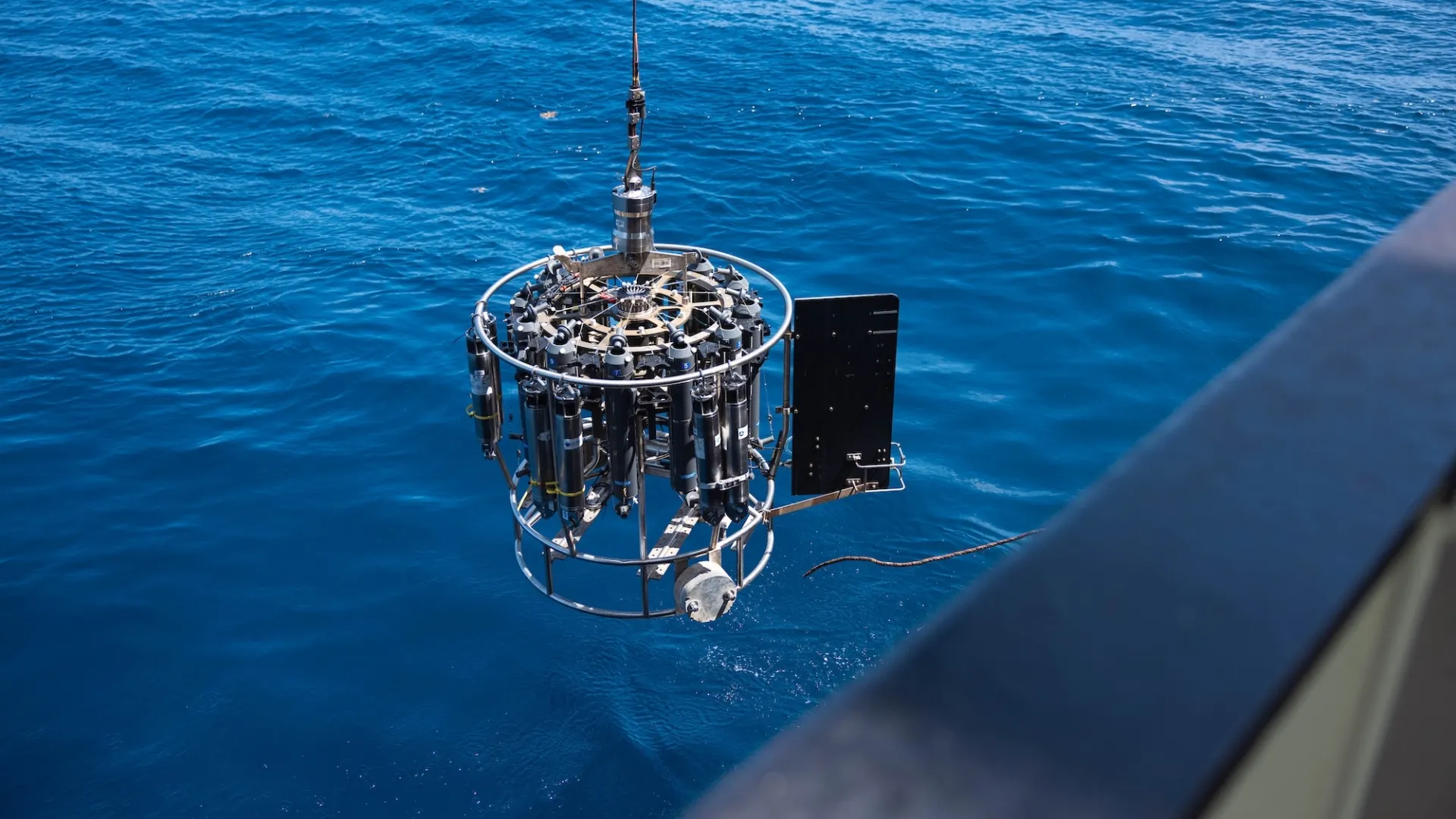
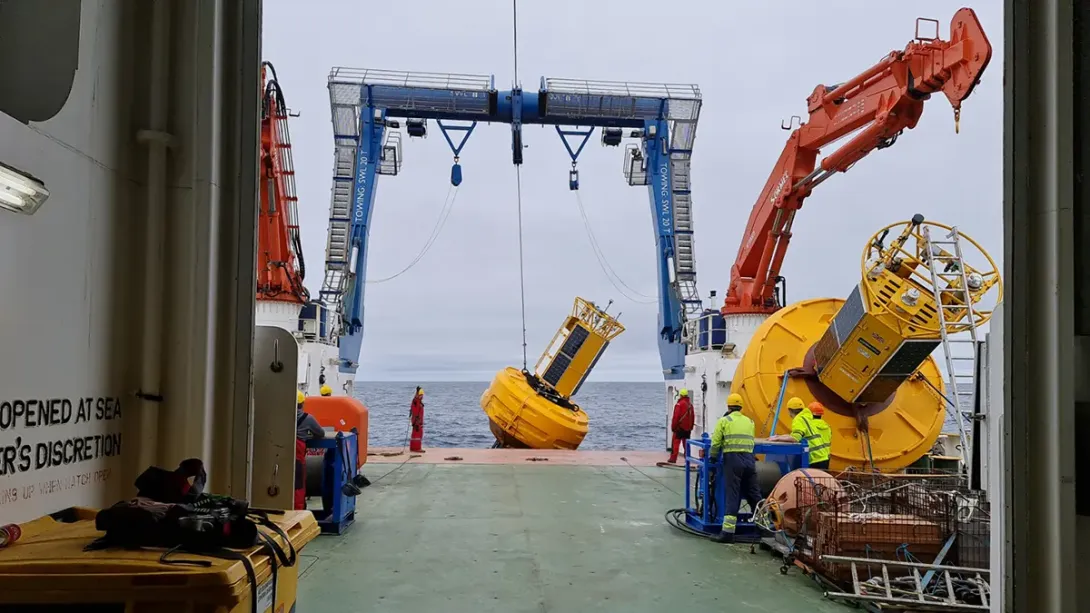
The Porcupine Abyssal Plain Sustained Observatory (PAP-SO) is a sustained, multidisciplinary observatory in the North Atlantic coordinated by the National Oceanography Centre, Southampton.
For over 20 years the observatory has provided key time series datasets for analysing the effect of climate change on the open ocean and deep-sea ecosystems

Prof. Richard Lampitt
September 2002 – ongoing
Why do we observe the open ocean?
Observations of multi-decadal duration are essential for the detection of long-term change in the ocean and are key to understanding our varying climate. The PAP-SO demonstrates the importance of long-term records of ocean variables and processes (e.g., Hartman et al., 2021).
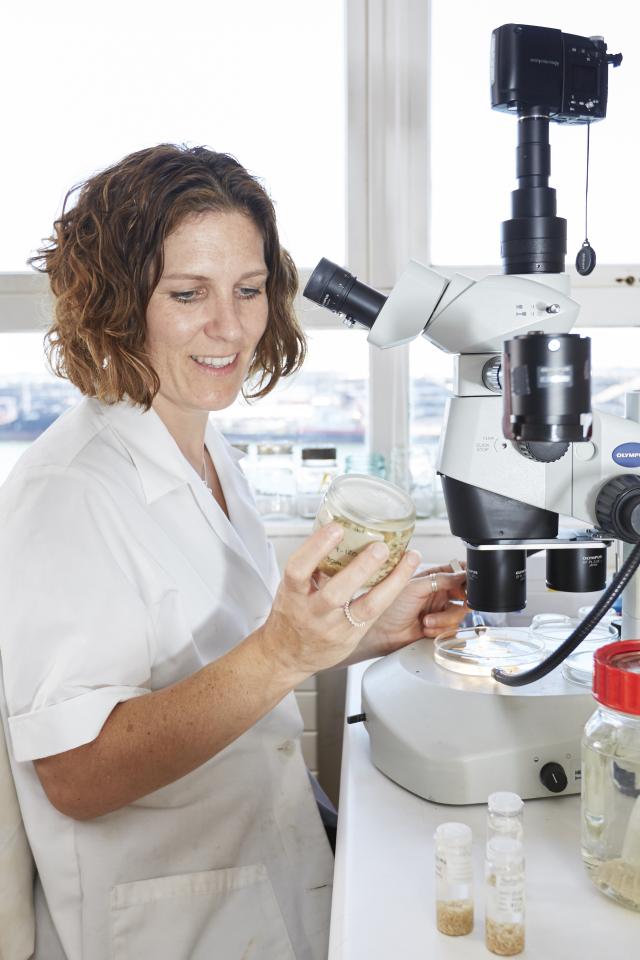
For example, observatory data have revealed increased seasonal variability in seawater CO2 and a decline in pH, driven by biological productivity (Macovei et al., 2020). Close to the abyssal seafloor (>3,000m depth), sampling of scavenging crustacean populations since 1985 has shown a major change in the dominant species that may be linked to upper ocean climate as assessed by the Atlantic Multi-decadal Oscillation – a 60–80-year cycle in sea surface temperature (Horton et al., 2021).
Even at 500km from land we find evidence of human impact from the obvious but local impact such as clinker and ships debris found on the seabed to the more subtle but large scale changes in CO2. From microscopic animals such as zooplankton to marine mammals, the PAP-SO offers us the opportunity to study on all scales.