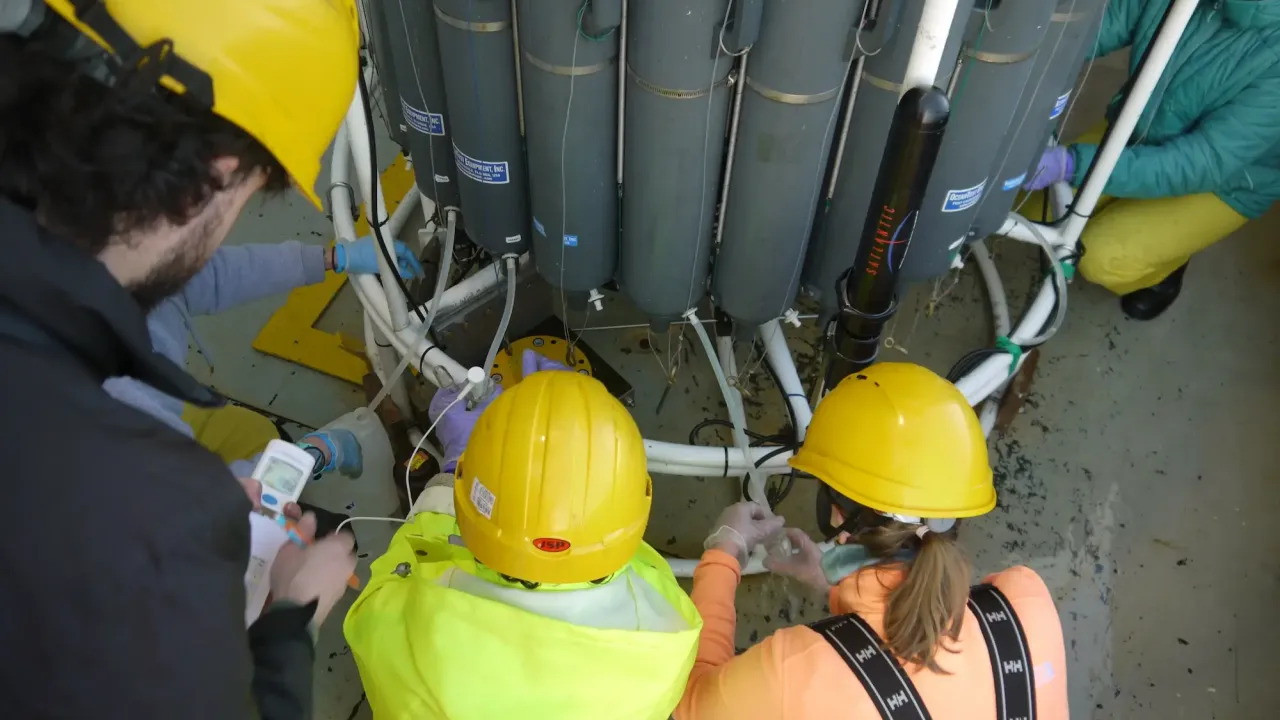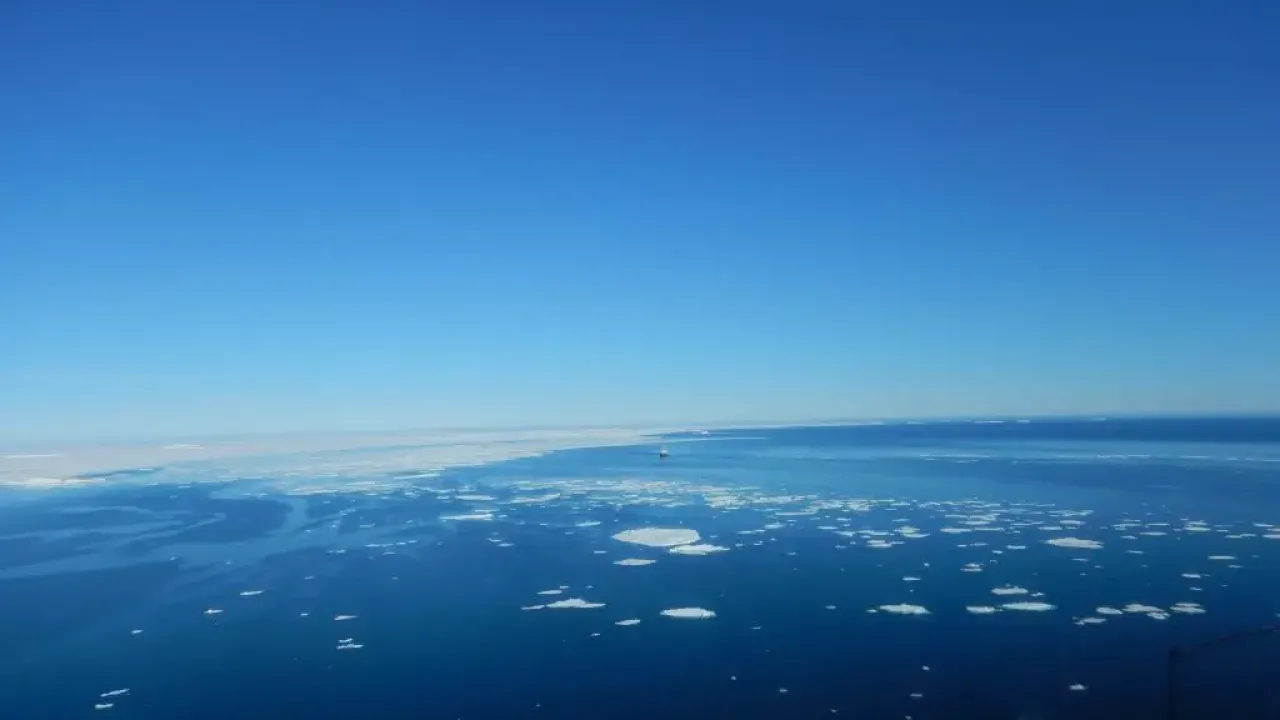

It's Day 21 of the cruise and the crew, technicians and scientists are settled into their daily rhythms and shifts. There are no weekends and no days off for anyone on board. The only way I know that today is Saturday is that we had fish and chips yesterday (so it must have been Friday!). The scientists & technicians do 12 hours on and 12 hours off, the crew do 4 hours on, 8 hours off. For me in my status of observer/filmmaker, things are slightly different, as I work out what is happening to know when and how I need to organise my day. I want to capture life on board, as well as all the details of the fascinating science that is happening. As a non-scientist and a non-seafarer, this has involved tuning into the language people use when talking about their activities, so I can work out what they're doing (and where). I thought I'd share a few!
The Bridge
The bridge is the top deck of the ship where the ship can be commanded. There is always an officer on watch, in the case, 3rd officer Lotty. Lotty taught me the 6 ways a ship can move– pitch, roll, yaw, surge, sway, heave.
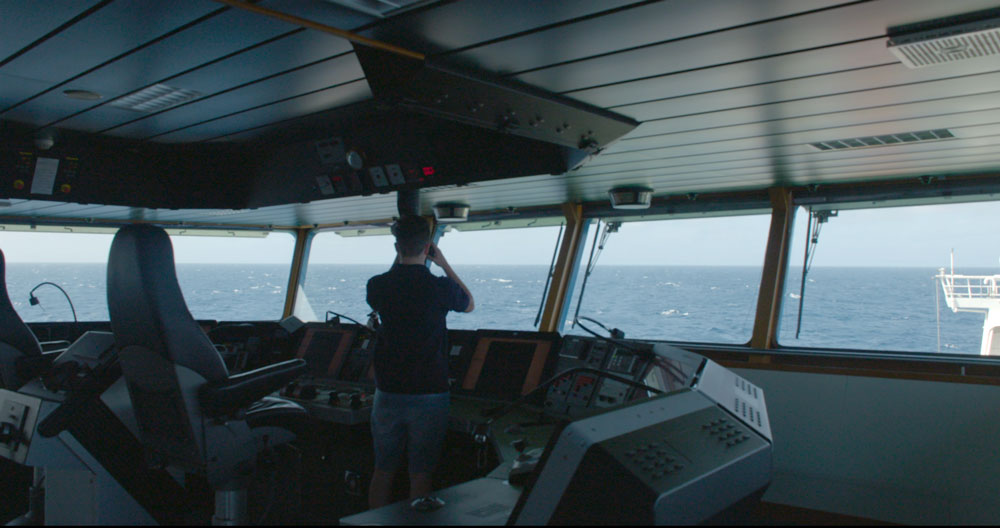
Lotty on the bridge
The bridge overlooks the next deck, or forecastle deck, traditionally used as the crews' living quarters, the front part of which (seen in this picture) is excellent for sunbathing.
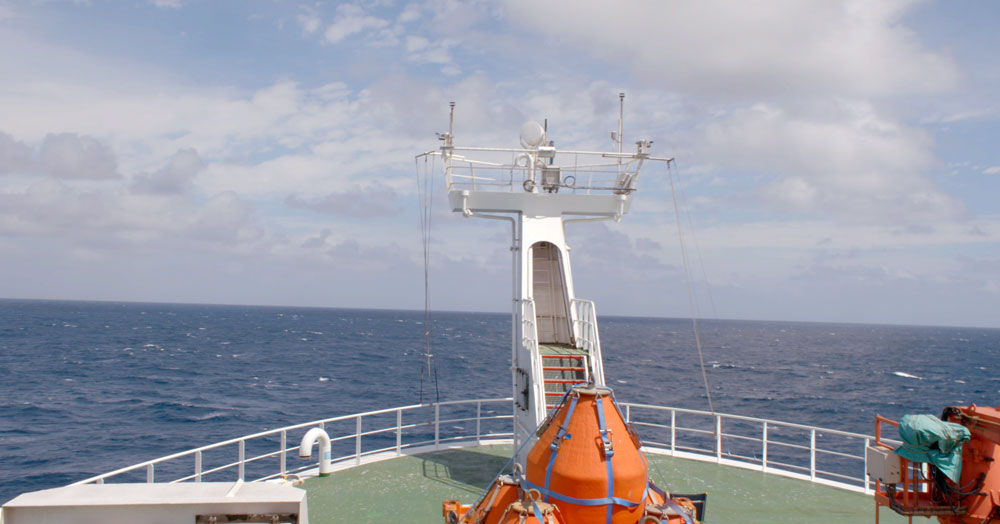
Fo'c'sle
Boxcore
A 50cm x 50cm metal box that gets lowered to the seafloor to pick up a section of the seabed. A mud sample gets brought up exactly as it sits on the seafloor, complete with nodules (potato sized rocks) and any animals for study. The seawater and the top 10cm of mud then gets painstakingly and carefully sieved and put in pots to observe under the microscope, where tiny alien-like animals, invisible to the naked eye, are revealed to be living in the seabed.
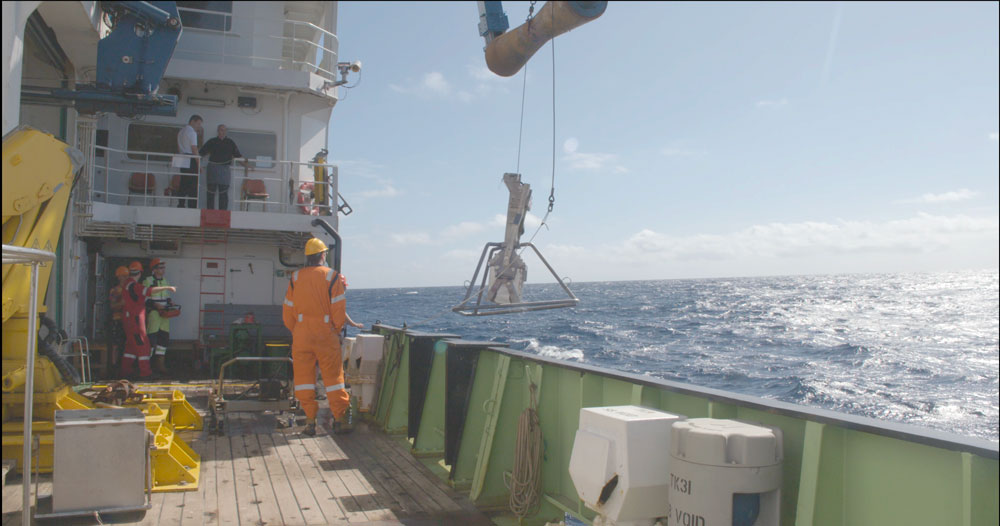
Adrian receiving box core
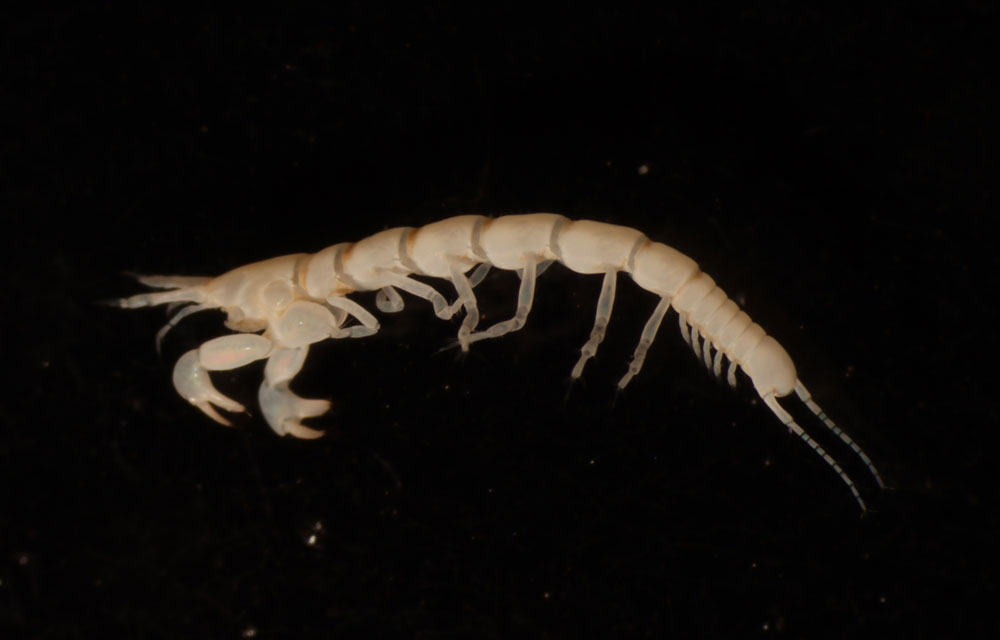
Tiny tanaid (crustacean) living in the mud
ROV - Remotely Operated Vehicle
Isis is a Remotely Operated Vehicle, or robot, which gets sent down 4,700 metres to the seabed to take photos and videos and collect samples. It gets operated from a shipping container on board, which is called the 'ROV van', and feels very much like being on a spaceship.
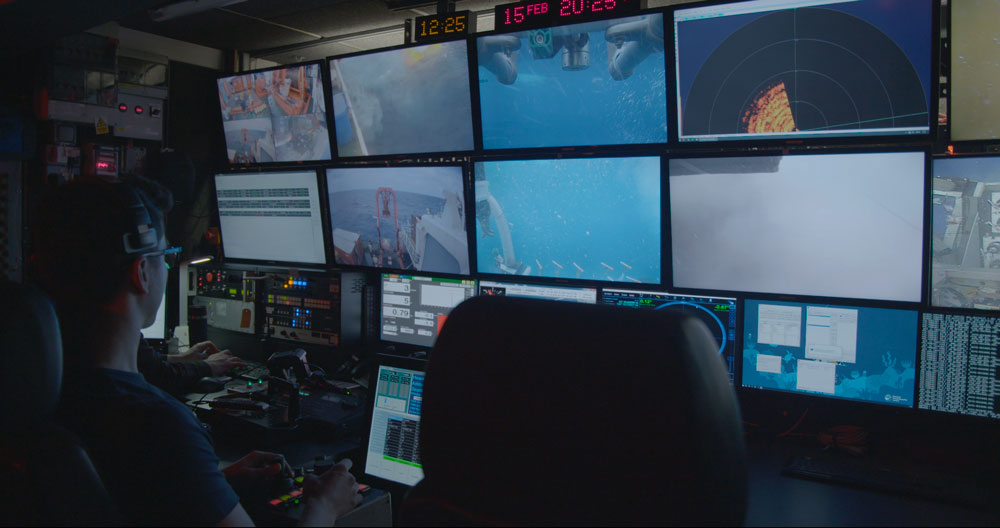
Emre driving the ROV picture
MBES
Multibeam Echosounder – sends acoustic signals to the seafloor every 12 seconds and the echo tells us how deep it is from the time it takes to travel back to us. Half the planet has not been surveyed, and half of where we've been traveling has never been mapped to this resolution.
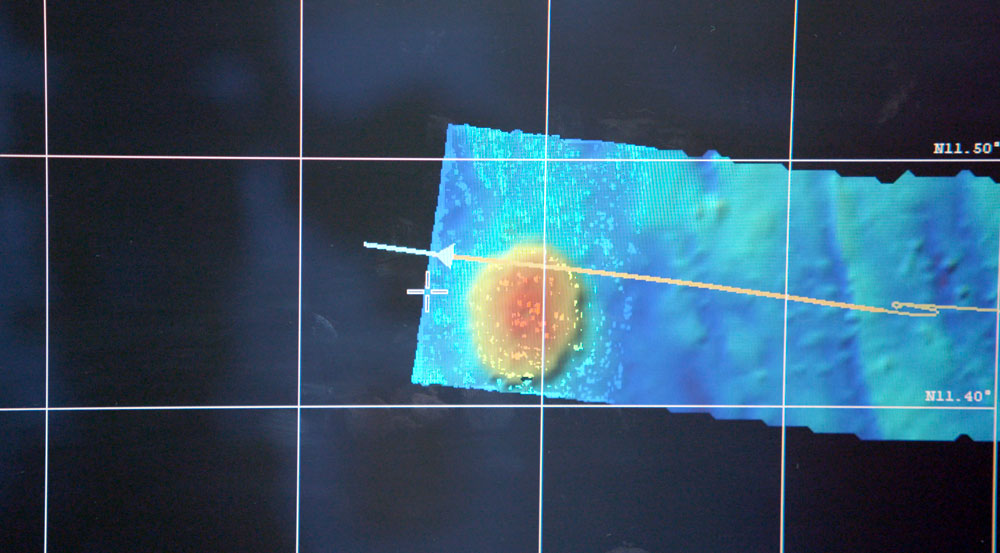
'a seamount appears'
Be part of the community helping our ocean thrive.