
Published: 24 June 2026
Author: Professor Daniel Jones

Getting to the Ship

After a long journey from the UK by air, we arrived in Costa Rica. Our luggage was filled with everything we needed for nearly two months away – with no shops. Many of us also carried last-minute science supplies needed for the expedition. We arrived in San José and made our way to the port of Caldera by road.
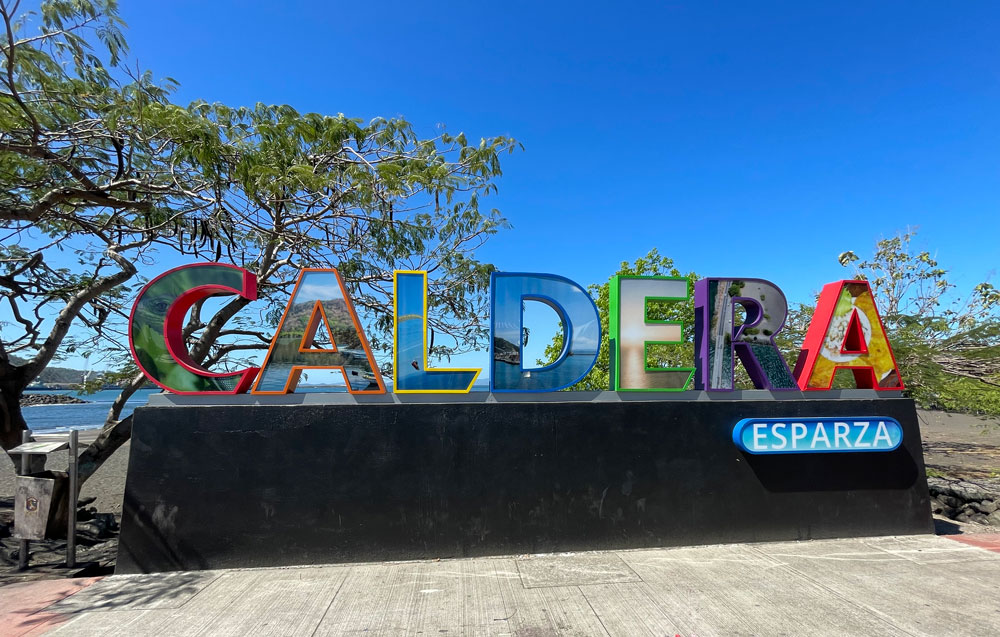
Caldera welcome sign

Welcome to the port of Caldera, Costa Rica
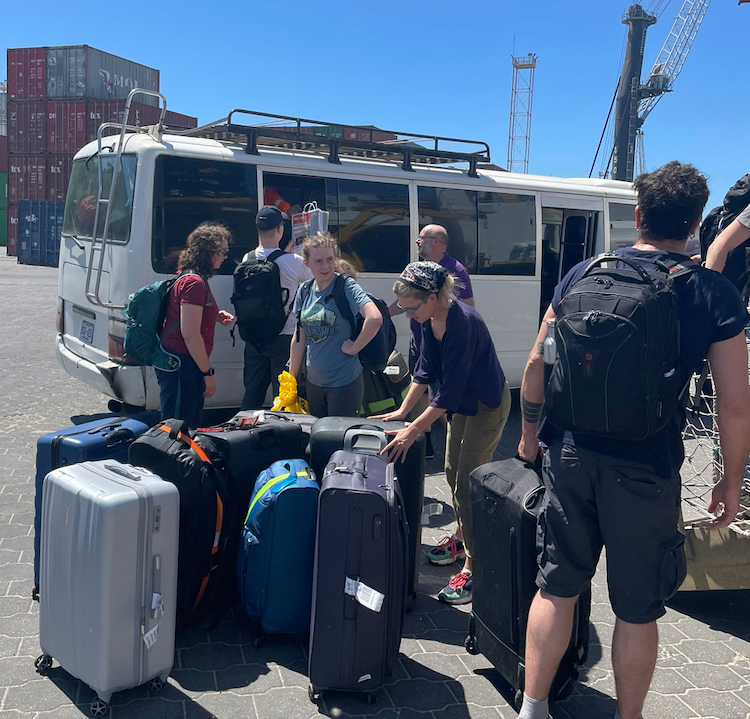
Baggage

Arriving at the port with too much luggage
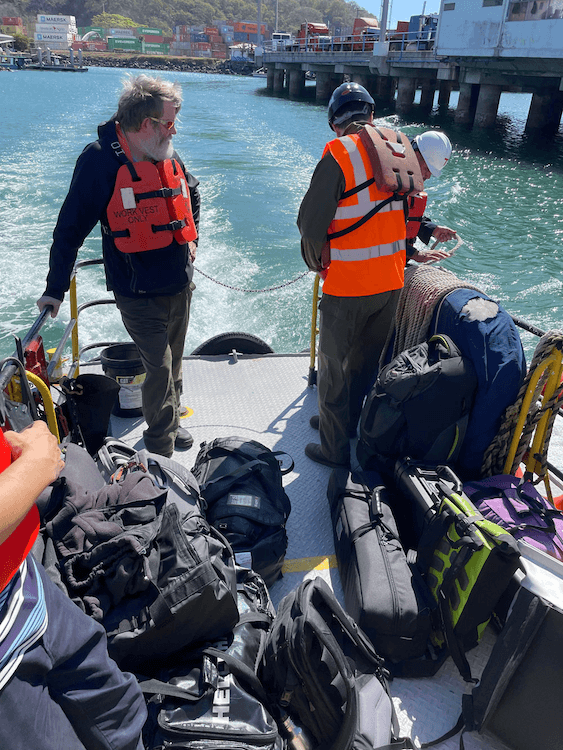
Transfer

Boat transfer to the James Cook with even more luggage

The first members of the science party joined the Royal Research Ship James Cook while it was still at anchor. This required a boat transfer. We were taken by the port authority on a small boat to the ship, where we climbed a rope ladder to get on deck. All our luggage was hauled onboard piece-by-piece with a rope.

The rest of the science party arrived once the ship was alongside for the final loading of fuel.
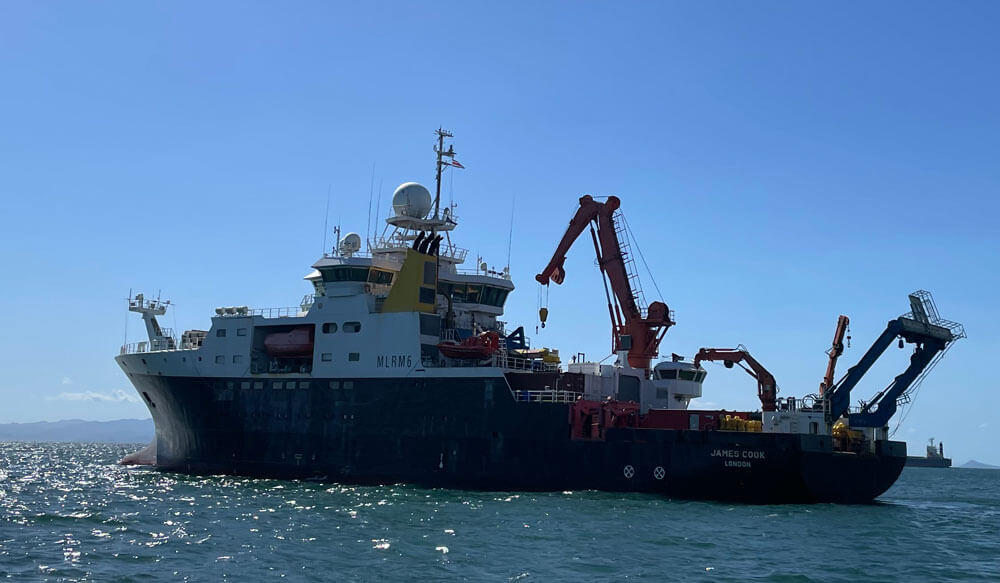
RRS James Cook

First view of the RRS James Cook for this expedition

Get Involved

Be part of the community helping our ocean thrive.

Donate to NOC
Get in touch
Daniel Jones headshot
Author

Professor Daniel Jones

Biodiversity Mission Network Lead

I am a strategic and scientific leader at the National Oceanography Centre, Southampton, focussed on marine biodiversity. I have experience of running major scientific projects since 2006. I have a PhD in deep-water polar community ecology from the University of Southampton, a MSc in marine resource management (with distinction) from Heriot-Watt University and a BSc in marine biology (first class) from the University of Wales, Bangor. I am a trained commercial SCUBA diver.

More Blogs

JC241 lab sample preparation

JC241: Can Genomics Help Assess Species Connectivity?

27 March 2023
Goose barnacles

JC241: Goose Barnacle Bonanza

21 March 2023
Abyssal acorn worm

JC241: Abyssal Acorn Worms

27 February 2023
Front deck of RRS James Cook

JC241: Finding Out What We're Doing

25 February 2023