
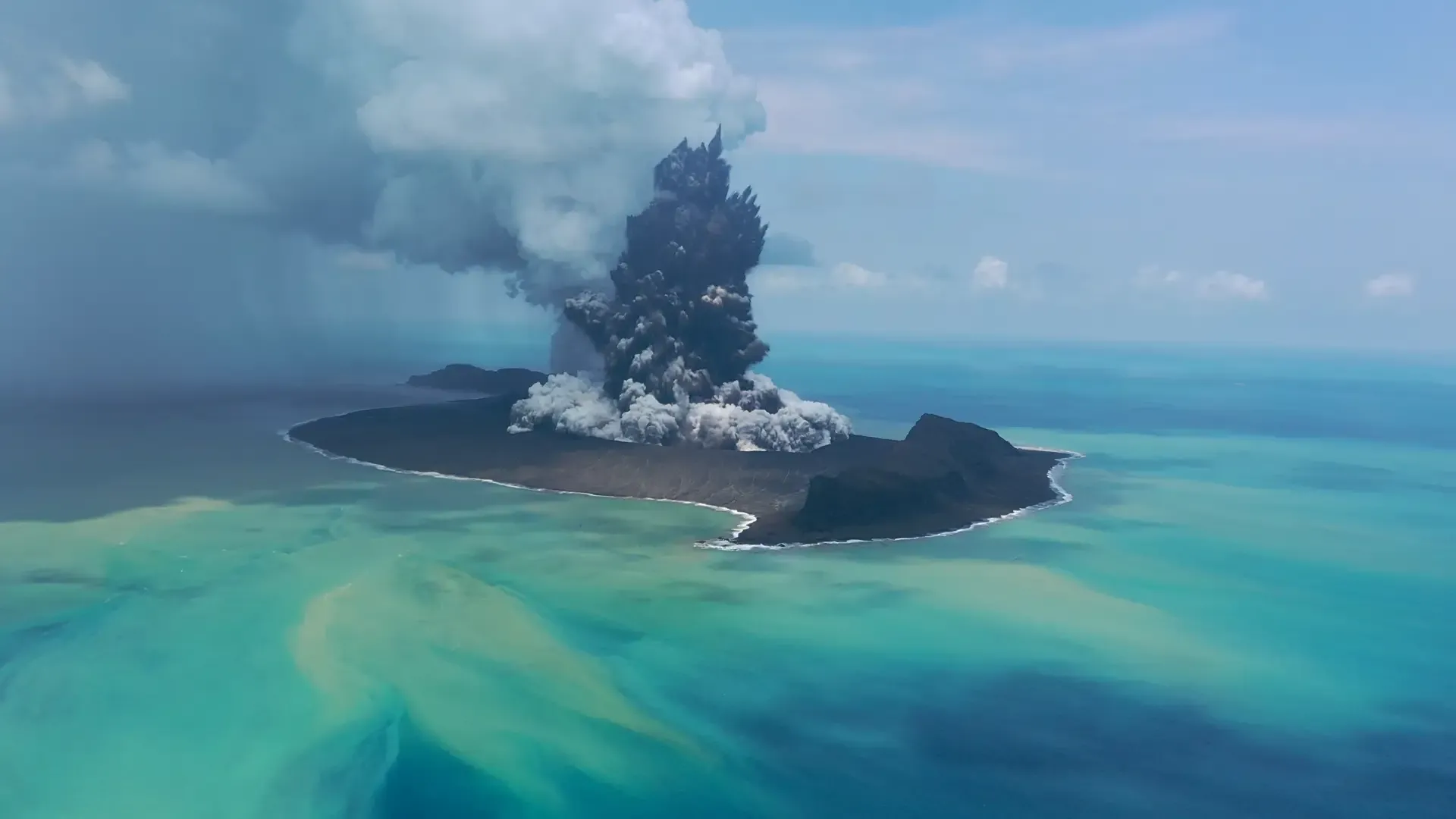
Scientists have revealed new insights into the behaviour of underwater volcanoes, marking a major step towards being able to assess the threats posed by these hidden eruptions.
More than two thirds of magma erupts into the oceans, yet - unlike on land - almost no submarine volcanoes are monitored, and few eruptions are observed which means historical records are key to understanding and preparing for future volcanic threats.
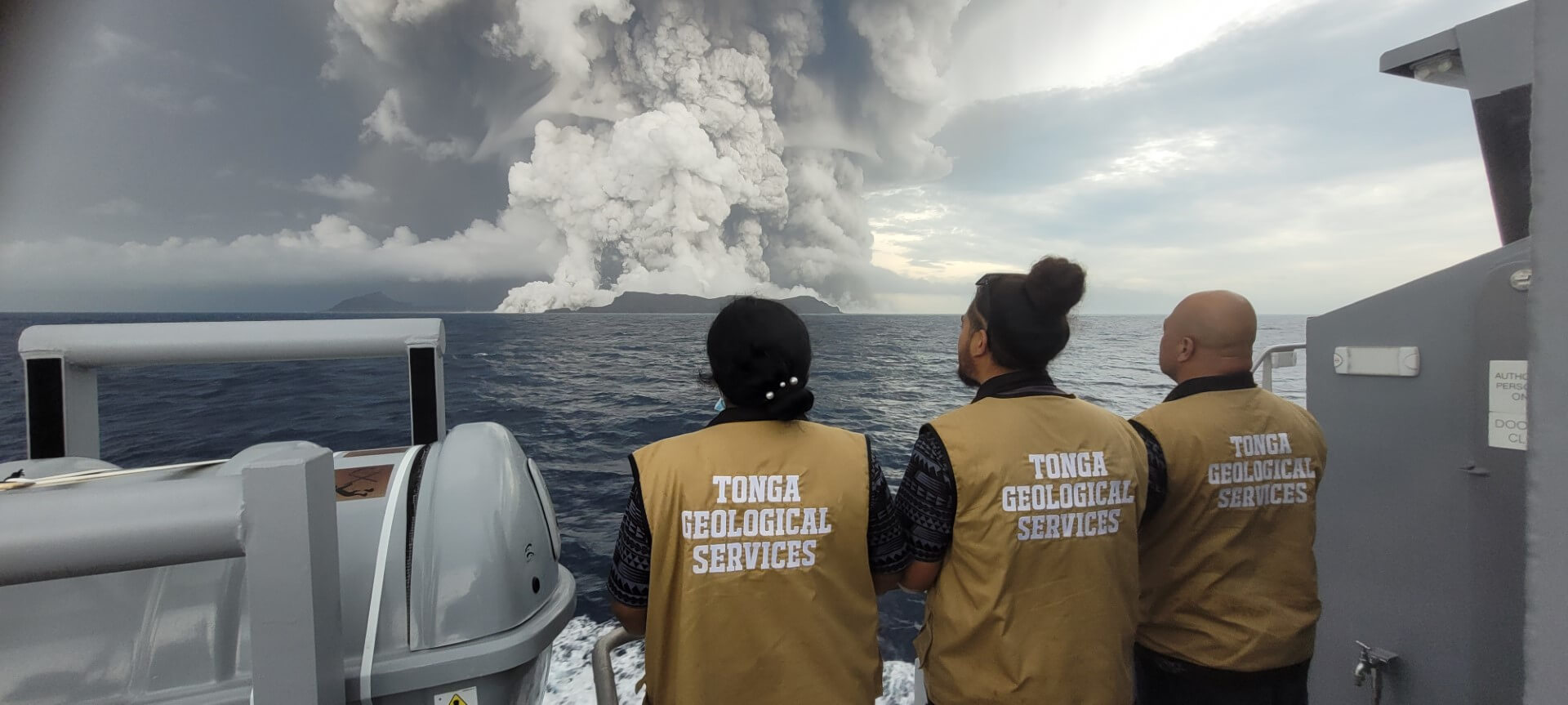
New research led by the National Oceanography Centre (NOC), published in Nature Communications, shows that explosive underwater volcanic eruptions generate powerful seafloor flows that leave behind distinctive signatures in seafloor sediments.
By analysing these deposits, scientists identified the hallmarks of these hazardous subvolcanic phenomena, even in cases where no direct observations exist. These include evidence of widespread, multidirectional dispersal of material across long-distances and layered deposits that record repeated pulses of eruptive activity.
Deposits left behind from the massive 2022 eruption of the Hunga Tonga–Hunga Haʻapai (HTHH) volcano, offshore Tonga in the South Pacific, carried volcanic debris more than 100 kilometres along the seafloor, causing widespread disruption far beyond the eruption site. The identification of similar signatures in marine sediments elsewhere will provide an urgently needed tool for identifying comparable eruptions that have occurred in the past and where they may happen in the future.
Unlike flows triggered by the partial collapse of a volcanic island or where a pyroclastic density current enters the ocean, those triggered by explosive submerged volcanic eruptions have key diagnostic characteristics. One of these is that flows can spread in multiple directions, dramatically increasing the area affected.
This behaviour means that the hazard footprint of an underwater eruption can extend far beyond the volcano itself, posing risks to ecosystems, coastal regions, and critical seabed infrastructure, like subsea cables that carry the internet.
Jacob Nash, Lead Author and PhD Researcher at NOC
Dr Isobel Yeo, a senior volcanologist at NOC and a co-lead on the study, added: “This represents a significant advance in understanding explosive marine volcanoes. Many such volcanoes are remote and poorly monitored, meaning their most hazardous behaviour has historically been difficult to detect or quantify.
“The ability to interpret their deposits provides a powerful new tool for reconstructing past eruptions and recognising which systems are capable of generating large, sustained, and destructive flows in the future.”
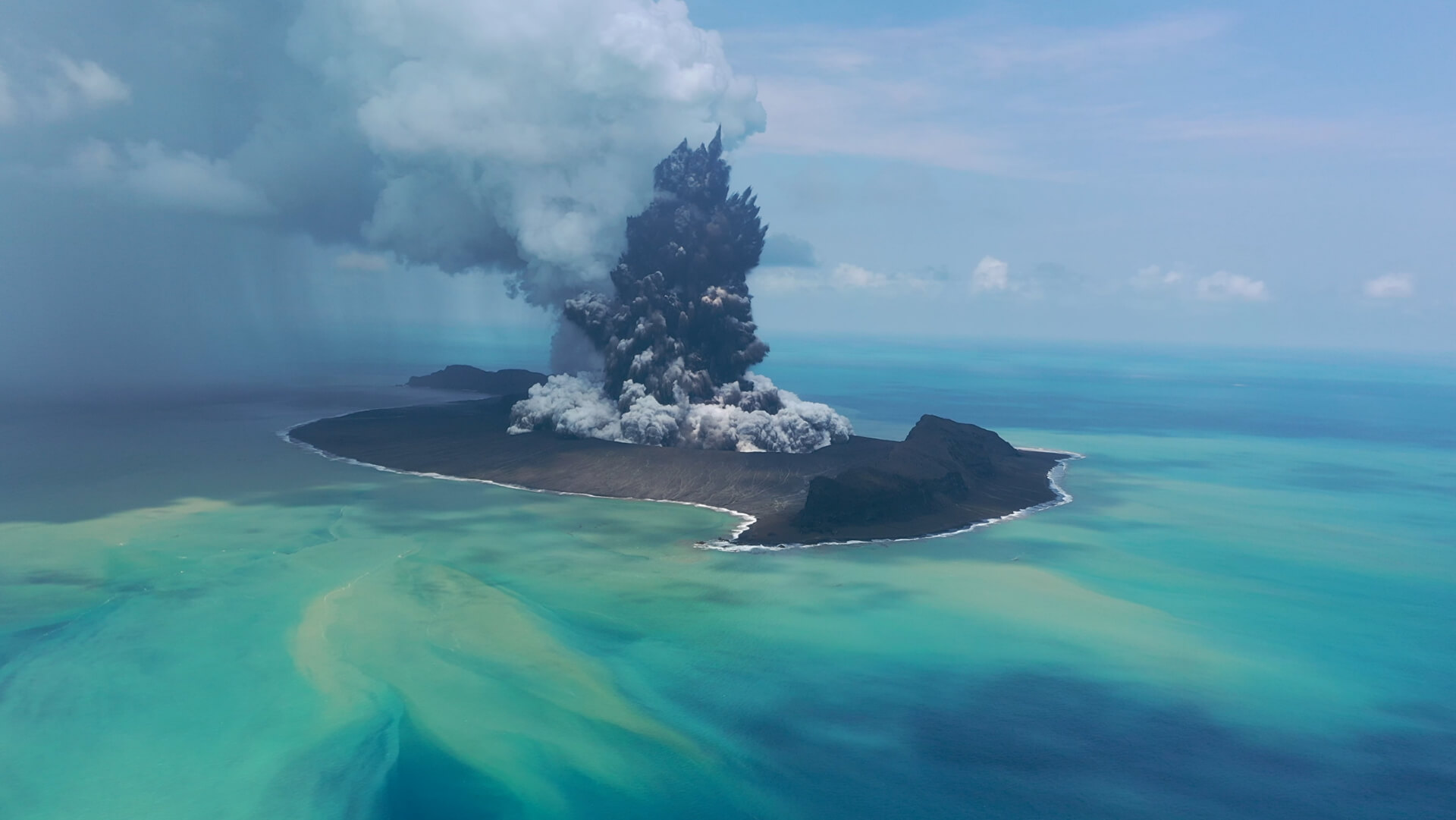
The 2022 eruption of the HTHH volcano showed that rapid, high-volume delivery of volcanic material into the ocean can happen over periods as short as tens of minutes and can sustain powerful underwater density currents that travel over vast distances. This insight allows scientists to better understand which types of eruptions are most likely to produce widespread seafloor hazards that can damage critical seafloor infrastructure, like cables that carry global internet traffic.
Dr Mike Clare, Strategic Research Lead for Hazards & Pollution at NOC, said: “By linking eruption processes to their geological signatures on the seafloor, we can start to move from reactive observation to proactive risk assessment, improving our ability to anticipate and mitigate the impacts of future explosive marine eruptions to protect coastal communities and critical infrastructure.”
Read the full paper here: https://www.nature.com/articles/s41467-026-71658-8.
This research was a collaboration between the National Oceanography Centre, Tonga Geological Services and the Ministry of Lands, Survey, Planning and Natural Resources, University of Auckland, Earth Sciences New Zealand, and University of Southampton, and was funded by the Natural Environment Research Council.
Be part of the community helping our ocean thrive.