
The deep sea contains a wealth of mineral resources which have been explored for potential commercial use since the 1970s. As demand and technology make the mining of the seafloor a real possibility, a new review looks at over 50 years of data to assess the real effect such activity might have.
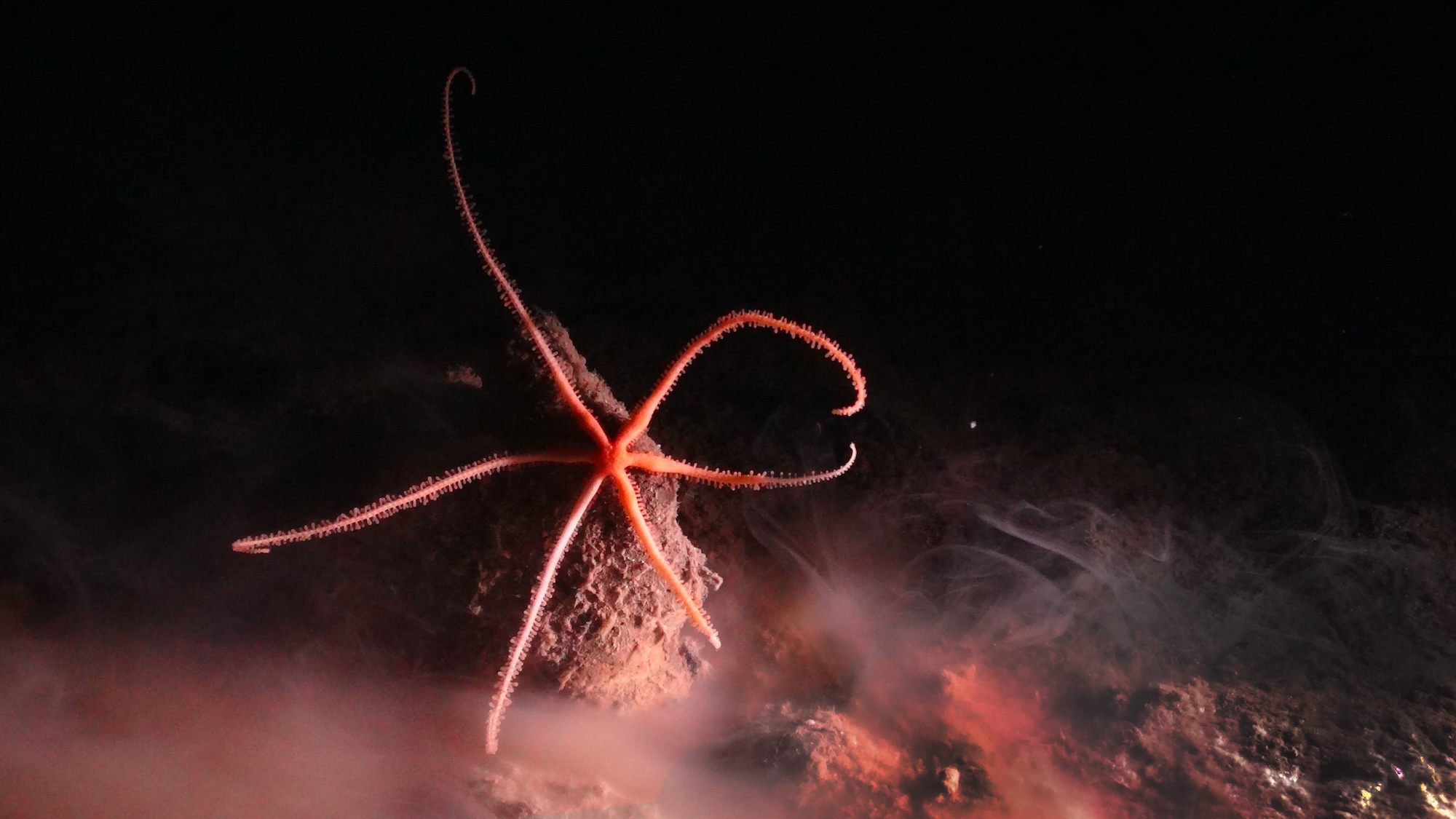
The review co-authored by Prof. Daniel Jones and Dr. Guadalupe Bribiesca-Contreras at the National Oceanography Centre (NOC) and led by Prof. Adrian Glover, Merit Researcher Natural History Museum, London, highlights how the different types of deep-sea mining being considered affect different environments. These environments range from cobalt and nickel-rich nodules on abyssal plains to copper deposits at hydrothermal vents on mid-ocean ridges. The team assessed likely impacts of mining at these sites, and what further research is needed to understand risks to species in the different deep-sea ecosystems.
The three most prominent mineral resources being explored are polymetallic nodules on the abyssal seabed, seafloor massive sulphide (SMS) deposits formed at hydrothermal vents and cobalt-rich crusts on seamounts (underwater hills that rise from the ocean floor). These resources lie at typical depths of greater than 2000m and beyond national jurisdictions. Despite this, 30 such areas are contracted to an international body setup to regulate mineral exploration as debate on the environmental advantages and disadvantages continues.
It is surprising that such a major environmental issue has not yet been comprehensively reviewed in the scientific literature.
Over the course of two years we reviewed more than 200 published and unpublished reports on the environmental impacts of deep-sea mining with a focus on studies of the baseline biodiversity in the regions targeted, and experimental work that measured the actual impacts of mining tests.
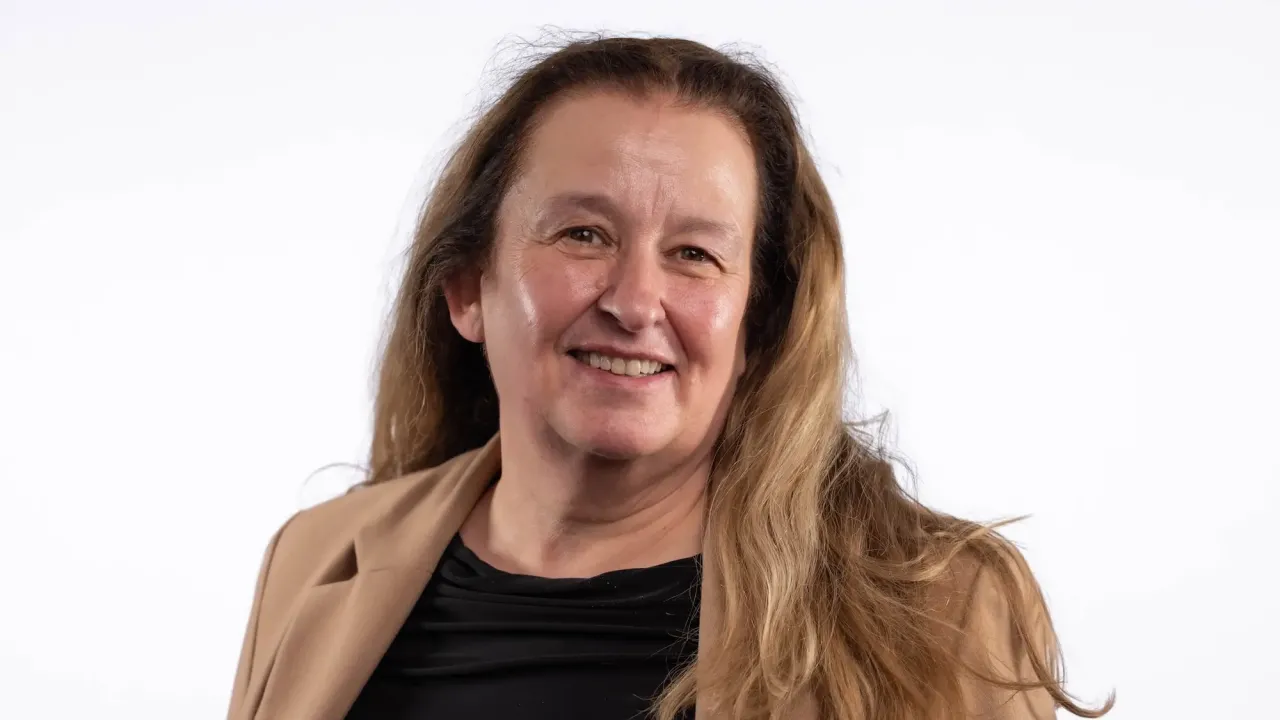
Professor Adrian Glover, Merit Researcher Natural History Museum, London
The team conclude not by attempting to advocate for or against mining but instead look at how scientifically compatible the different types of deep-sea mining are with existing policy.
Prof Glover adds, “An important distinction we highlight is the difference between mining polymetallic nodules, hydrothermal vents and seamounts. These systems could not be more different.”
“Active vents and seamounts host extraordinary ecosystems rich in unique species, and it is clear that major disturbance at these sites would not be scientifically compatible with policy on biodiversity that almost all nations have already agreed to.”
“For nodule mining, some simple scientific steps would help to resolve the risk of biodiversity loss, which is still mostly unknown. For example, supported by our scientific community, the regulator has already set up a protected area system that covers 30% of the main targeted region.”
The team acknowledge that we have very little understanding of how well the protected area system will work as there is so little data from these sites. The Clarion-Clipperton Zone (CCZ), a six million square kilometre area of deep ocean between Hawaii and the west coast of Mexico rich in metallic nodules, is estimated to be home to 6000-8000 species of which only 436 are named.
The NHM together with NOC and colleagues around the world have been leading efforts to describe the many species brought up by the recent surveys. “Making taxonomic data available including DNA sequences of species is critical to understanding the risks of biodiversity loss” says Glover. NOC scientists, such as Dr. Guadalupe Bribiesca-Contreras, are working to describe new species recovered from the deep sea. Most recently, the NOC team worked together with the Natural History Museum to describe 24 new species of deep-sea crustacean.
The review ‘The environmental impacts of deep-sea mining’ is published in the journal Current Biology.
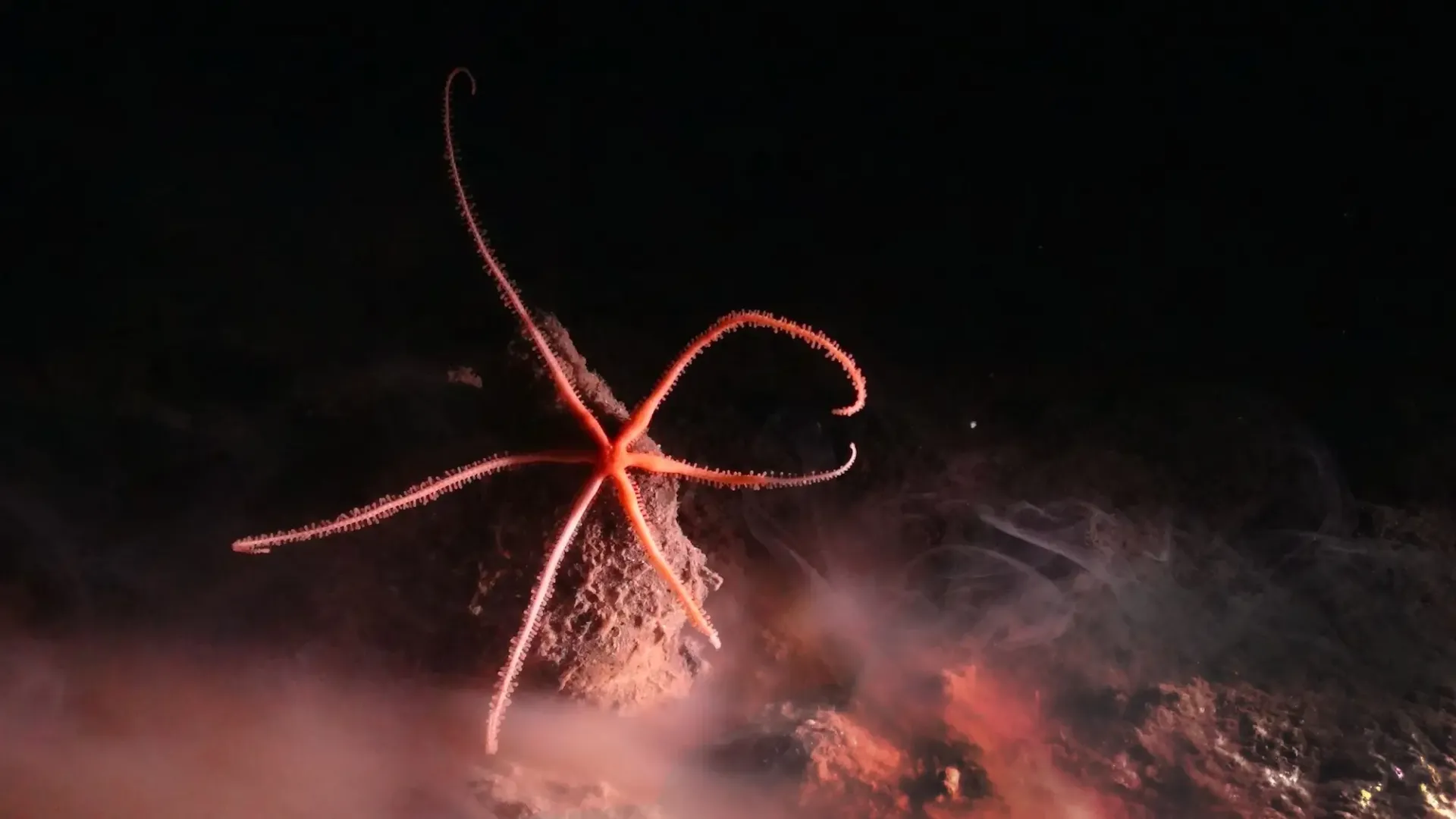
Seastar on a polymetallic nodule image credit: National Oceanography Centre and the Trustees of the Natural History Museum with acknowledgement to the NERC SMARTEX project.
Be part of the community helping our ocean thrive.