

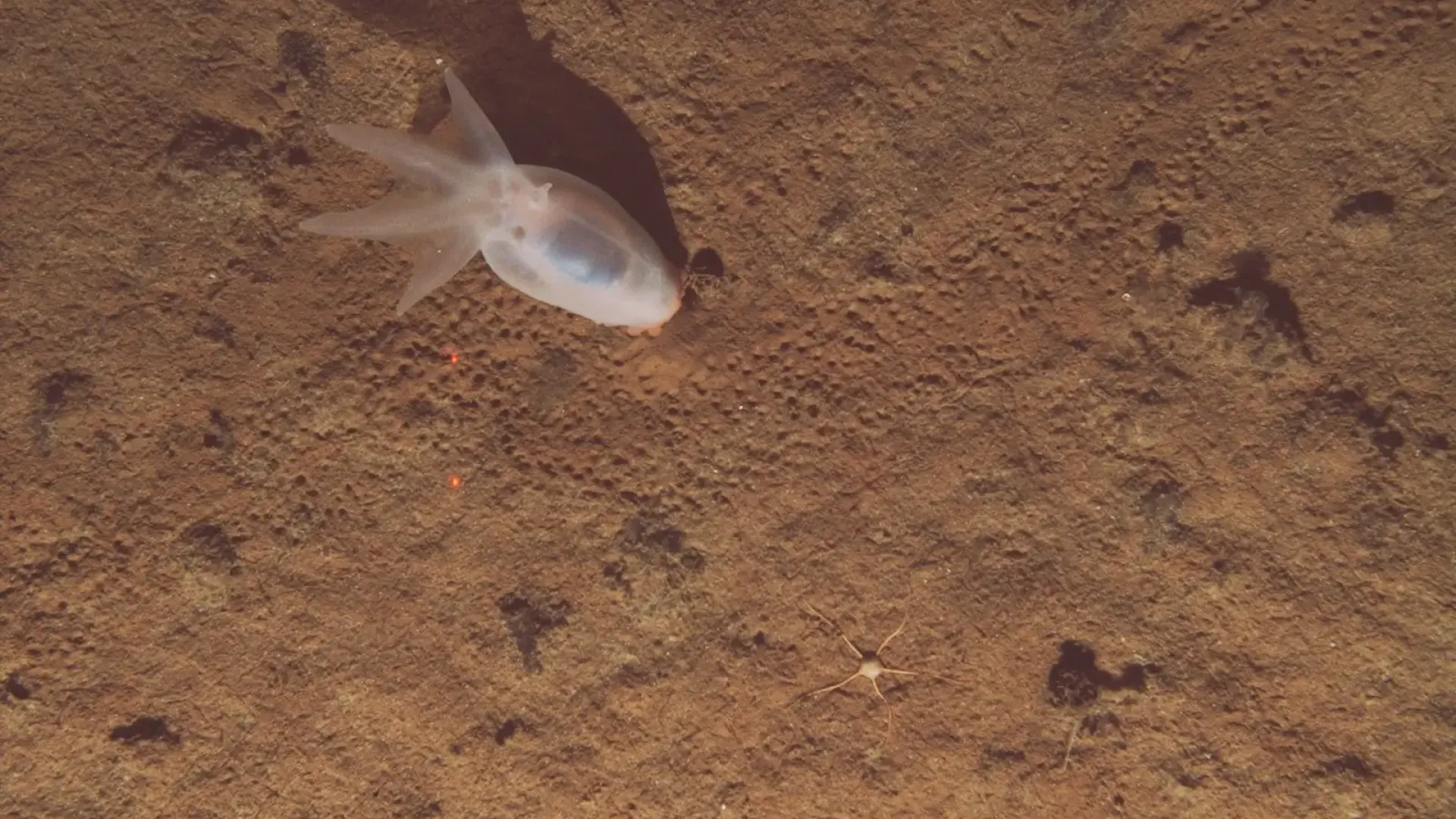
Assessing a Critically Important Region of the Ocean
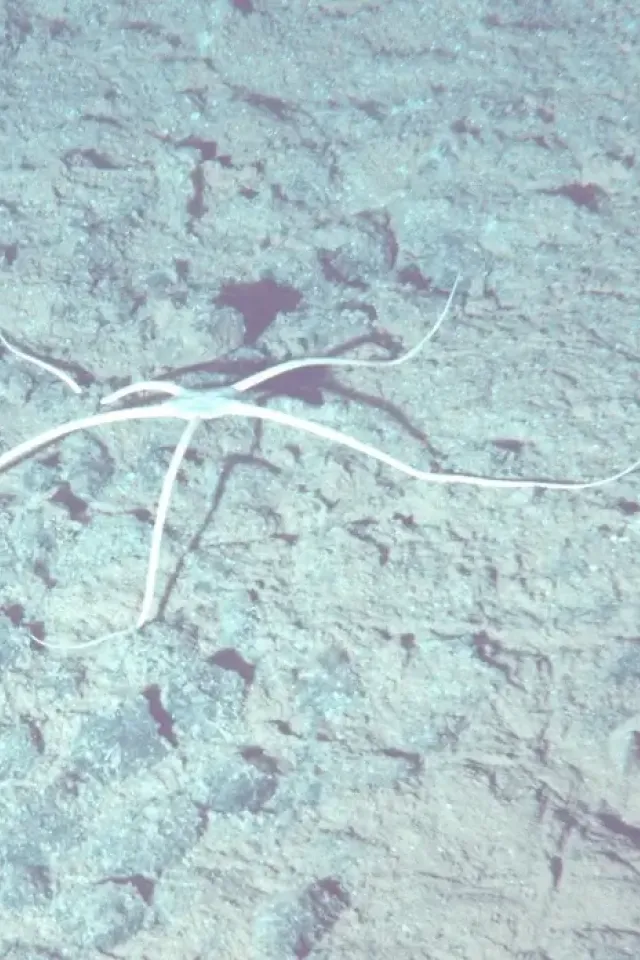
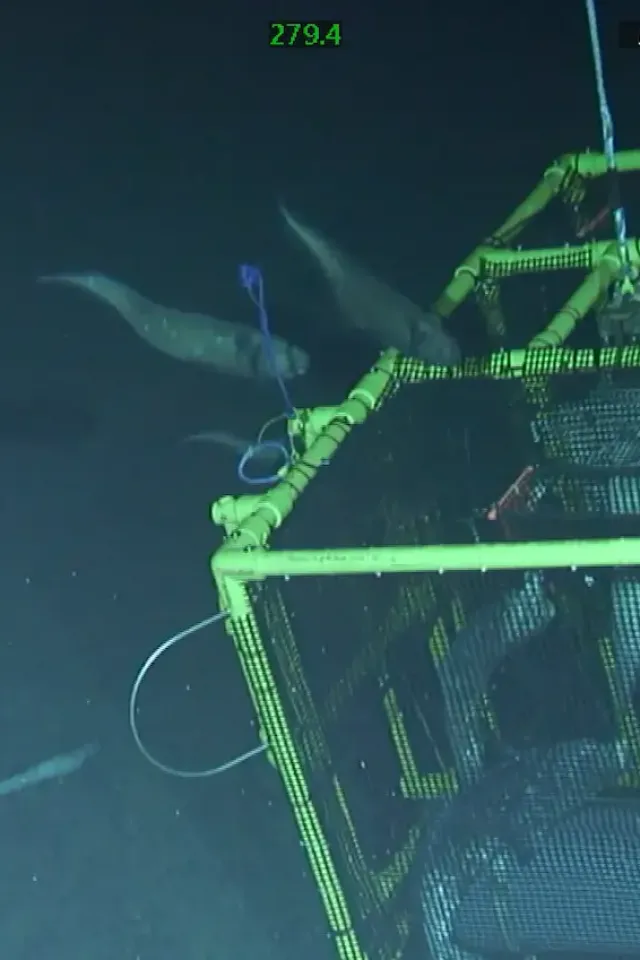
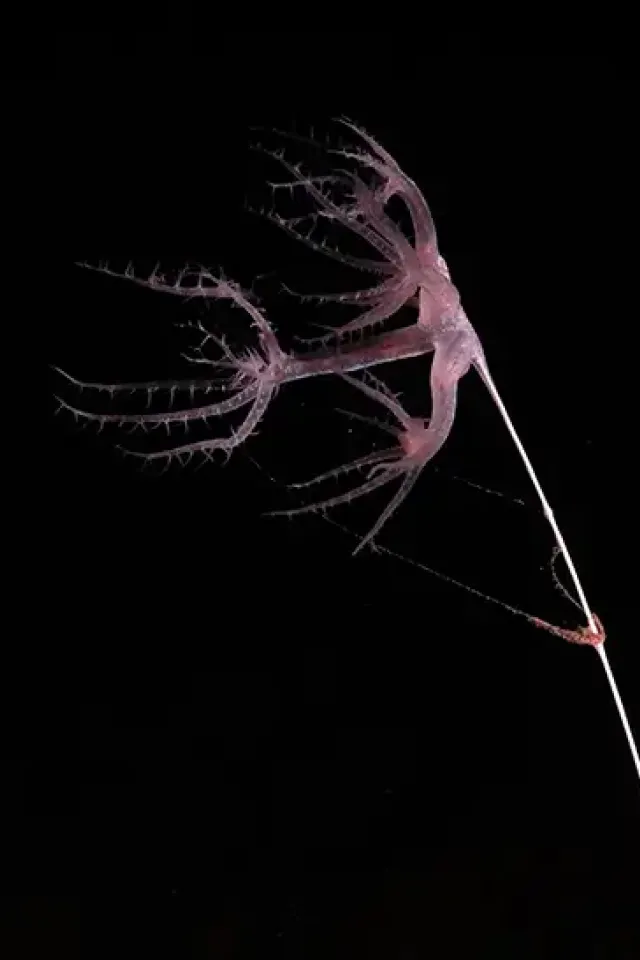
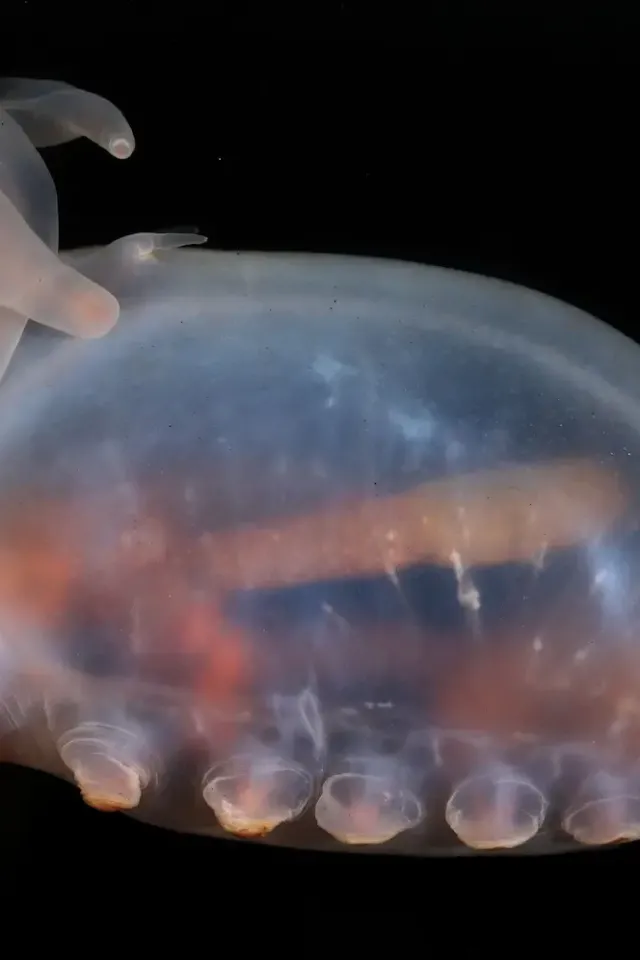
The second SMARTEX expedition to the Clarion Clipperton Zone (CCZ) built on the work performed during the previous expedition to further assess the biodiversity, geophysics, geochemistry and oceanography of the region.
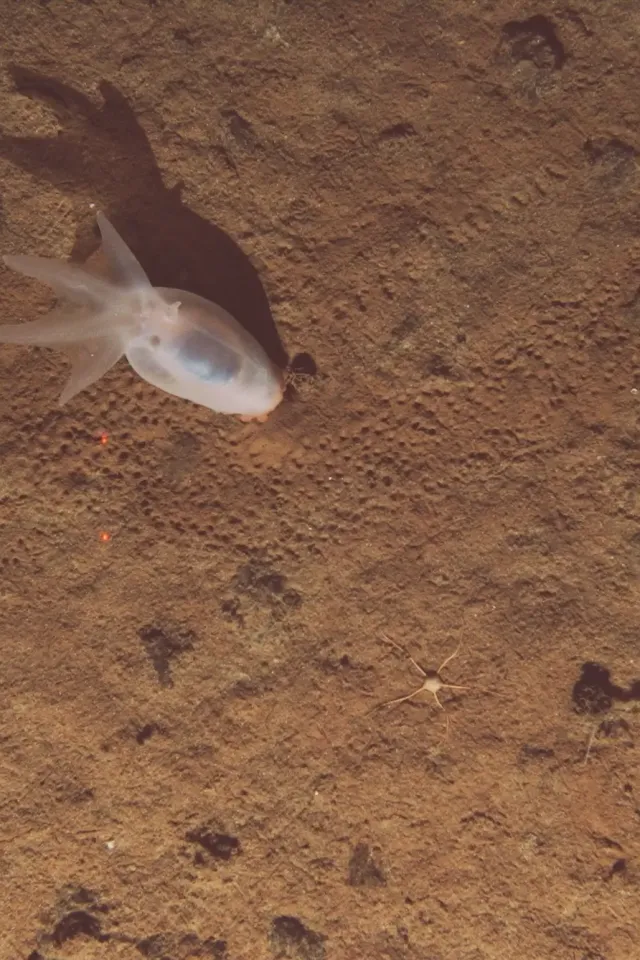
A range of underwater technology was deployed to measure a number of different key ocean parameter such as measuring deep-water mesoscale eddies, mapping the seafloor to guide biological sampling as well as discover scientifically novel seafloor features and provide baseline data on biodiversity.
Expedition Diary
| Ship | Duration | Departed | Returned | General Location | Chief Scientist |
| RRS James Cook | 7/2/24 - 21/3/24 (43 days) | Caldera, Costa Rica | Caldera, Costa Rica | North East Pacific Ocean | Professor Daniel Jones (NOC) Professor Adrian Glover (NHM) |
Cruise JC257 of the RRS James Cook was a 44-day oceanographic cruise out of Caldera, Costa Rica working in the international waters of the Clarion-Clipperton Zone and the second cruise of the NERC Highlight Topic project 'Seabed Mining and Resilience to Experimental Impact' (SMARTEX), a 4-year project that started in 2021 to study fundamental scientific questions to inform the debate on seabed mining for polymetallic nodules. The main objectives of the cruise were measurements of physical oceanography (mesoscale eddies and their impacts at the seafloor), geophysical survey (mapping the seabed at various resolutions), biology (the spatial scaling of biodiversity and natural geochemical drivers of biodiversity across a 100km transect), as well as studies of recolonisation rates, ecosystem function and ecotoxicology baselines.
The cruise departed Costa Rica on 7 February 2024 and returned on 21 March 2024. The ship’s company consisted of 17 scientists, 15 technical support personnel and 21 ship’s crew. The captain was John Leask, the chief scientist Adrian Glover, the co-chief scientist Daniel Jones and the head of the NMF technical team Dave Turner. A total of 122 over-the-side equipment deployments were made as well as continuous underway operation of the ship acoustic instruments (multibeam and ADCP systems).
What Equipment Was Deployed?
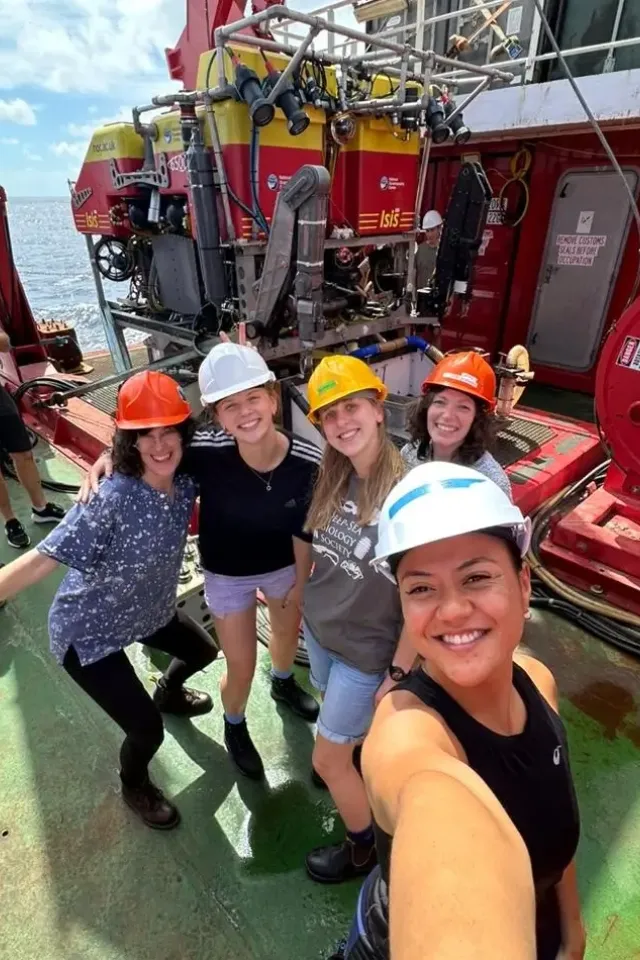
6 deployments of the ROV Isis were made on the cruise, all were successful. The ROV was deployed in various configurations including the ability to take in-situ close up imagery of seabed fauna using the highest resolution camera mounted low and at the front of the tool sled; this was very successful.
Learn More6 deployments of the AUV Autosub5 were also made, some of these dives were tests and 9 dives returned useable data.
Learn More19 CTD casts were made on the cruise; several issues were encountered with the cable in the earlier part of the cruise requiring retermination and troubleshooting. These problems were eventually solved. The CTD included water sampling and a variety of sensors, as well as ADCP data.
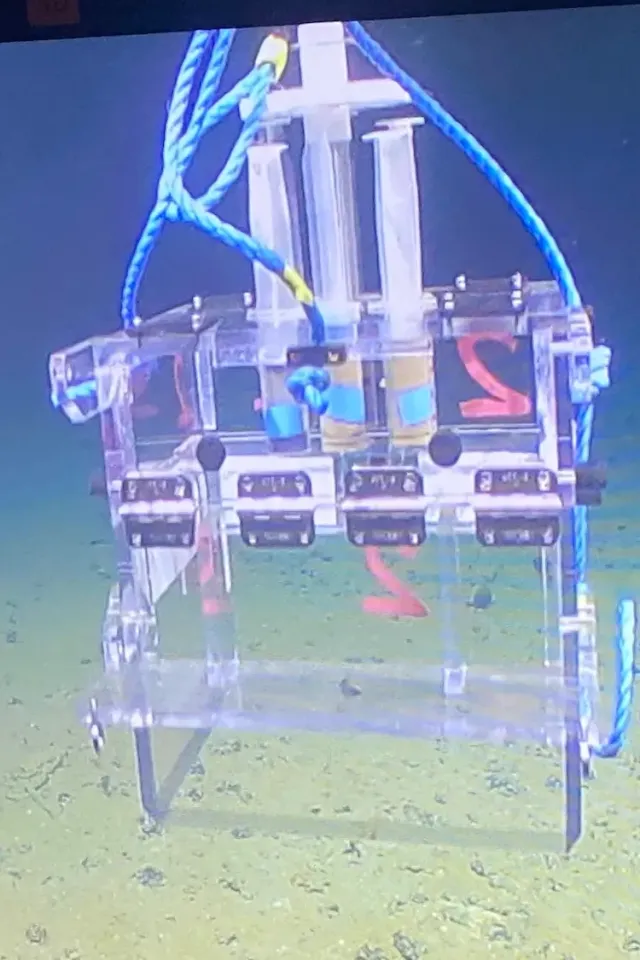
9 deployments were made of the box core, of which 34 returned samples and 32 were high-quality fully quantitative samples. The megacore was deployed 16 times, all of which returned good samples with typically 5-7 of the core tubes returning good quality samples for a variety of studies. The Gravity Core was deployed on 1 successful deployment at the end of the cruise.
Learn MoreWhere Did JC257 Take Place?
RRS James Cook travelled to an area of the east coast of North America to a much-debated area of the ocean that has historically been a hotspot for deep-sea mining and mineral extraction.
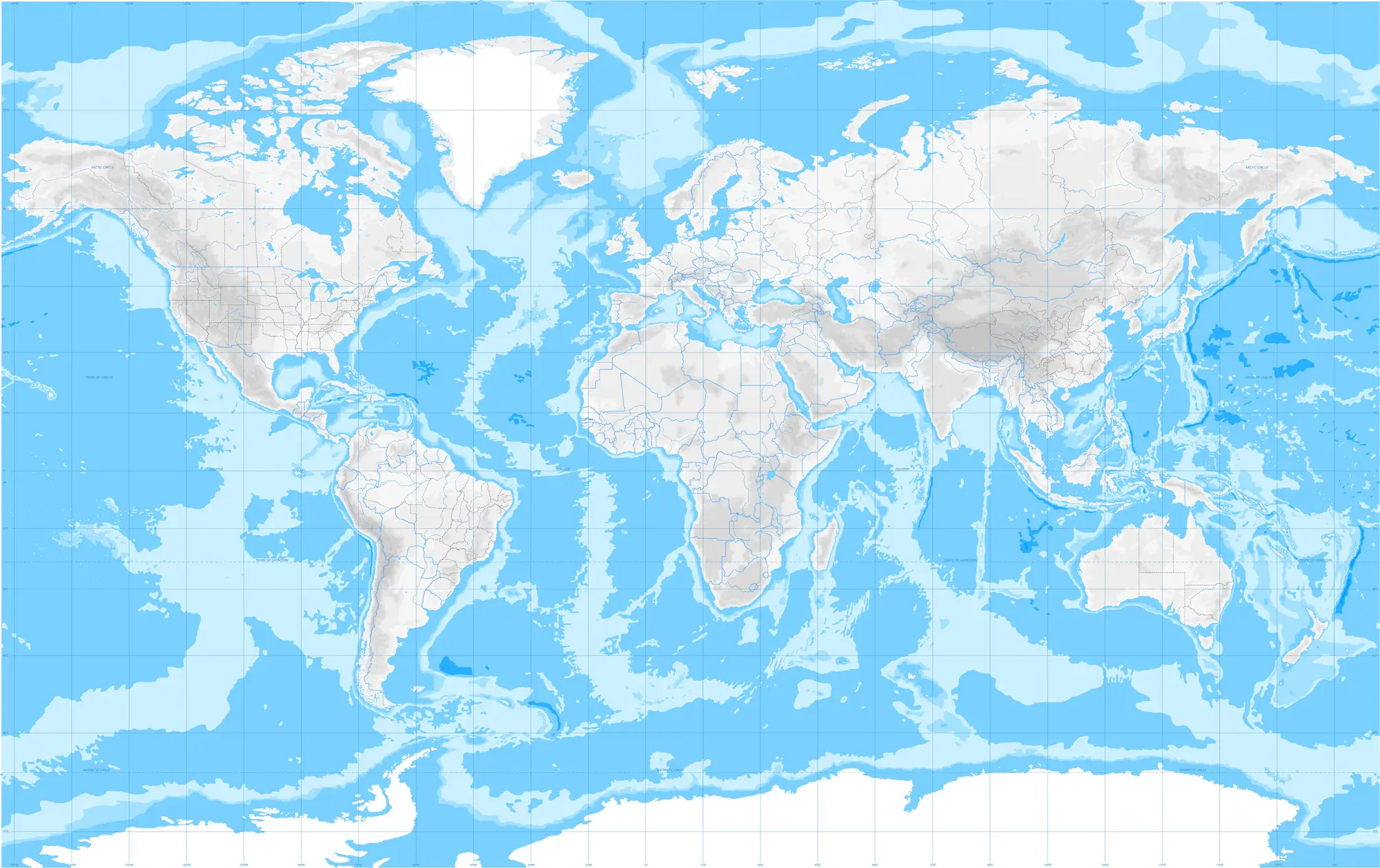
Within an area of over 6 million square km, around 25 times the area of the UK, called the Clarion Clipperton Zone (CCZ) in the central Pacific Ocean, at abyssal depths of almost 5,000 metres, lies a vast mineral resource of polymetallic nodules.
Within an area of over 6 million square km, around 25 times the area of the UK, called the Clarion Clipperton Zone (CCZ) in the central Pacific Ocean, at abyssal depths of almost 5,000 metres, lies a vast mineral resource of polymetallic nodules.
Expedition Gallery
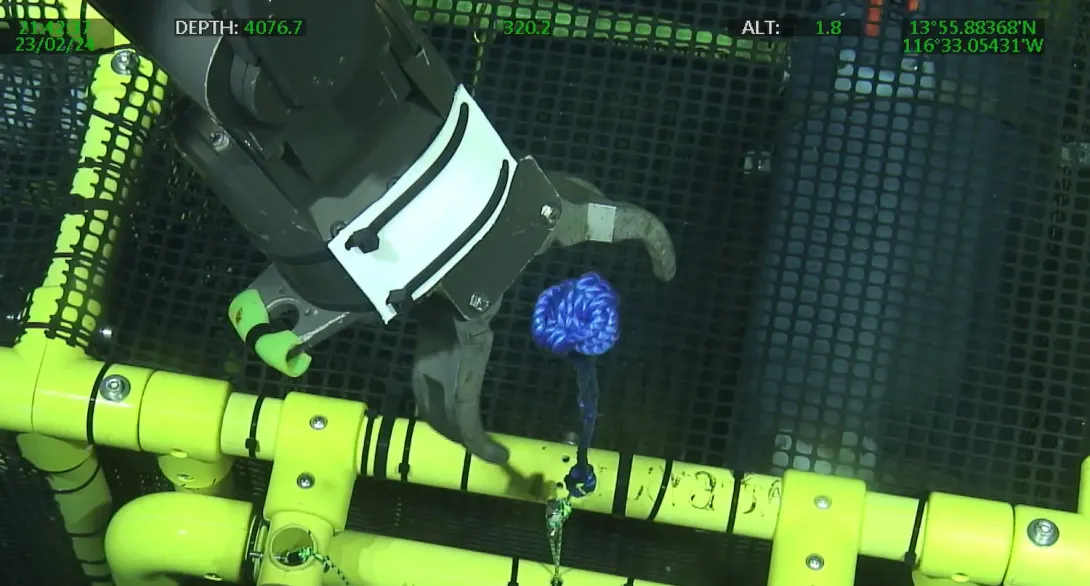
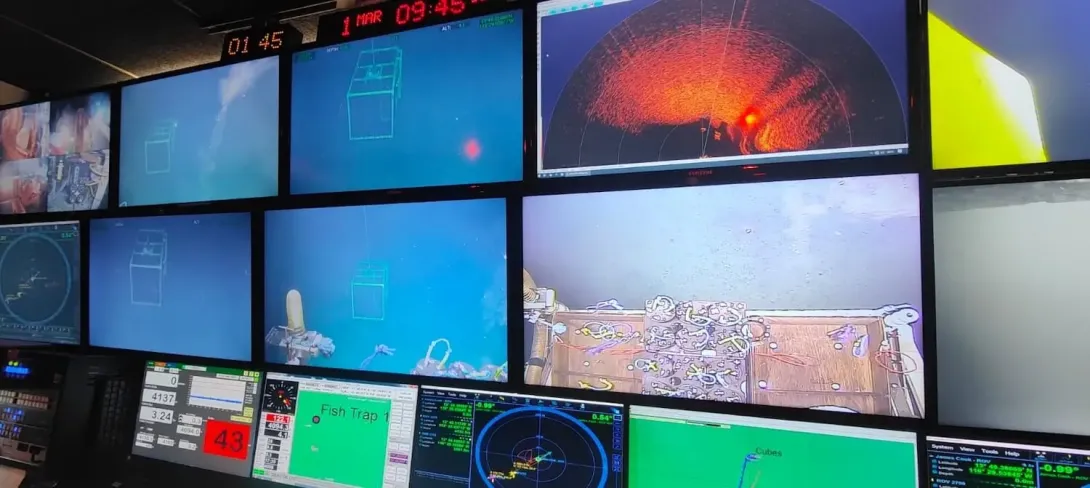
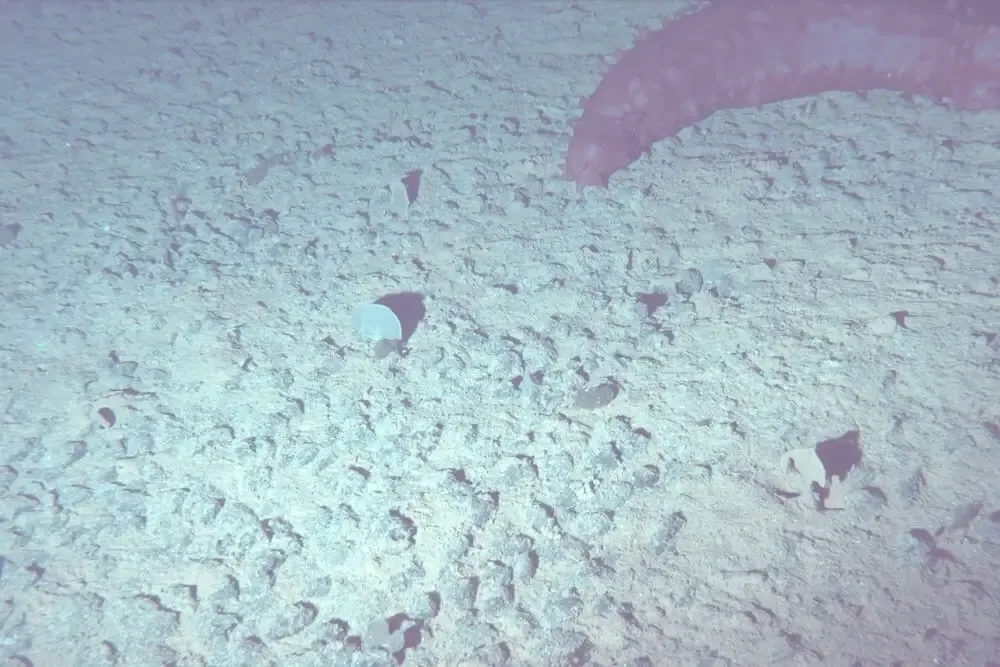
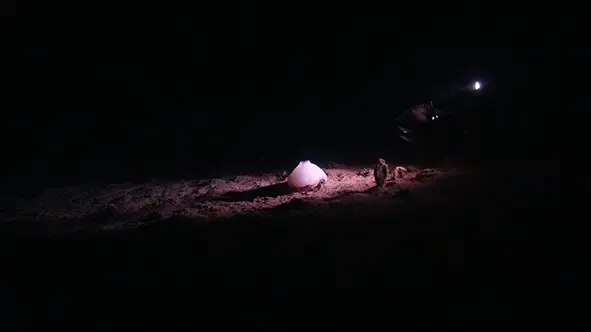
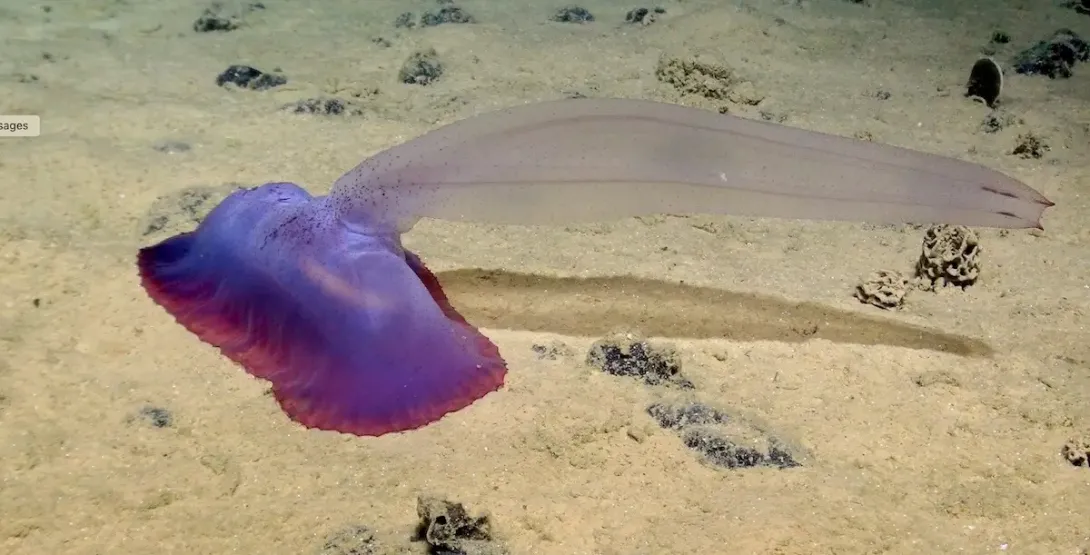
Throughout the expedition, members of the crew and researchers captured images from various parts of the operation - including laboratory work and technology deployments. All images are courtesy of members of the expedition and feature in blogs posts above.
Dive Deeper: Access the Cruise Report
Via the British Oceanographic Data Centre (BODC), a full cruise report for expeditions are available. This includes information on locations, objectives as well as the data collected.