
New research led by the National Oceanography Centre (NOC) has revealed that the greatest risks to subsea telecommunications cables serving small island nations are often concentrated close to island coastlines, where natural hazards and human activity overlap.
Published in the International Journal of Disaster Risk Reduction, the study, co-led by Dr Isobel Yeo and Dr Mike Clare at NOC, provides the first global assessment focused specifically on the resilience of subsea telecommunications connections for small islands.
The research analysed more than 5,000 subsea cable faults recorded globally over the past 40 years and combined this with spatial analyses of environmental and human hazards across 24 islands or island groups in the South Pacific, Caribbean and Indian Ocean regions.
The study found that more than 75% of recorded faults on island-connecting cables occur within 300 km of island coastlines, highlighting nearshore regions as key areas of vulnerability and priority locations for resilience planning, monitoring and investment.
Subsea telecommunications cables form the backbone of the global internet, carrying more than 99% of international digital data traffic. For many island nations, a single cable connection can support almost all international communications, internet access, banking systems, healthcare services, tourism operations and emergency response communications.
Subsea telecommunications cables are the hidden lifelines of our connected world. For small islands, they support everything from healthcare and education to banking, emergency response and contact with family overseas. Our research shows that the greatest risks to these vital systems are often concentrated close to island coastlines, where natural hazards and human activity overlap. By understanding those risks, we can help improve resilience for some of the world’s most vulnerable communities.
Dr Isobel Yeo, Senior Research Geoscientist at NOC
The findings demonstrate that telecommunications resilience is closely linked to economic resilience, healthcare access, disaster preparedness and social connectivity for remote island communities.
The study identified strong links between cable faults and human activity exposure, particularly in nearshore waters where fishing, anchoring and coastal activity are concentrated. However, the research also found that natural hazard exposure does not always directly translate into more frequent faults, suggesting that engineering design, route selection and operational planning can significantly reduce risk under normal operating conditions.
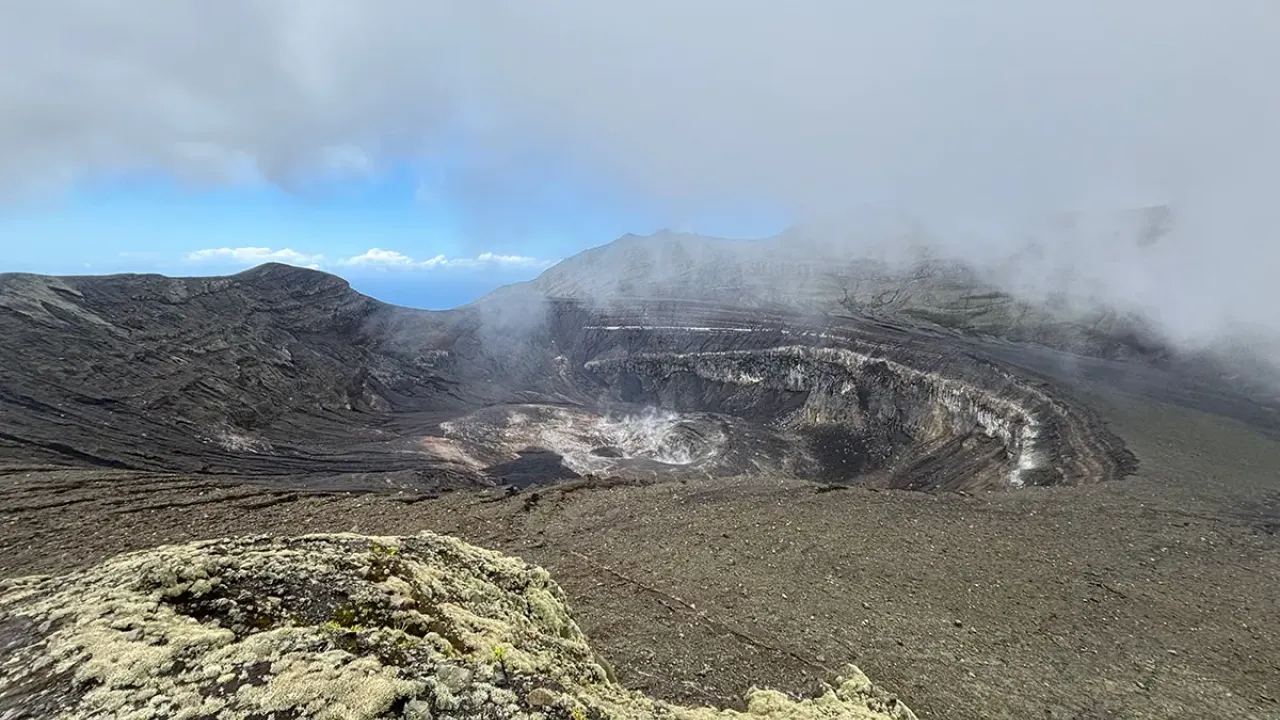
Major natural disasters can still have catastrophic consequences. The 2022 eruption of Hunga Volcano, and the resultant tsunami, highlighted the vulnerability of island nations to telecommunications disruption after damage to Tonga’s only international subsea cable severely affected communications during the crisis.
Most people never think about the cables on the seafloor that make modern life possible. Yet for many island nations, a single cable connection supports almost all international communications and internet access. Protecting this infrastructure is essential for resilience, safety and economic security. This is why research like this, that requires collaboration between industry, academia and governments, remains increasingly important and something that the International Cable Protection Committee remains committed to supporting.
John Wrottesley, International Cable Protection Committee
The findings support NOC’s Hazards and Pollution Mission by helping governments, infrastructure operators and communities better understand risks facing critical seafloor infrastructure systems.
The research also forms part of wider ongoing work by the National Oceanography Centre to improve understanding of marine geohazards and risks to subsea infrastructure, including submarine landslides, volcanic eruptions, turbidity currents and the resilience of seafloor cable systems.
Building on this research, the National Oceanography Centre is now leading a newly funded project through the Coalition for Disaster Resilient Infrastructure Programme to further investigate the resilience of telecommunications connections for small islands in the South Pacific.
The study was an international collaboration involving the National Oceanography Centre, International Cable Protection Committee, European Subsea Cables Association, OceanIQ, Tonga Cable Ltd, Solomon Islands Submarine Cable Company, Papua New Guinea DataCo, TeleGeography, the Kingdom of Tonga’s Ministry of Lands, Survey, Planning and Natural Resources, and King's College London.
The research was funded through the Natural Environment Research Council, ARIA, the European Subsea Cable Association and the Coalition for Disaster Resilient Infrastructure programme.
Be part of the community helping our ocean thrive.