

A newly identified deep-sea amphipod, Caeconyx papso, has been named in honour of the Porcupine Abyssal Plain Sustained Observatory (PAP-SO), recognising over 40 years of pioneering ocean research.
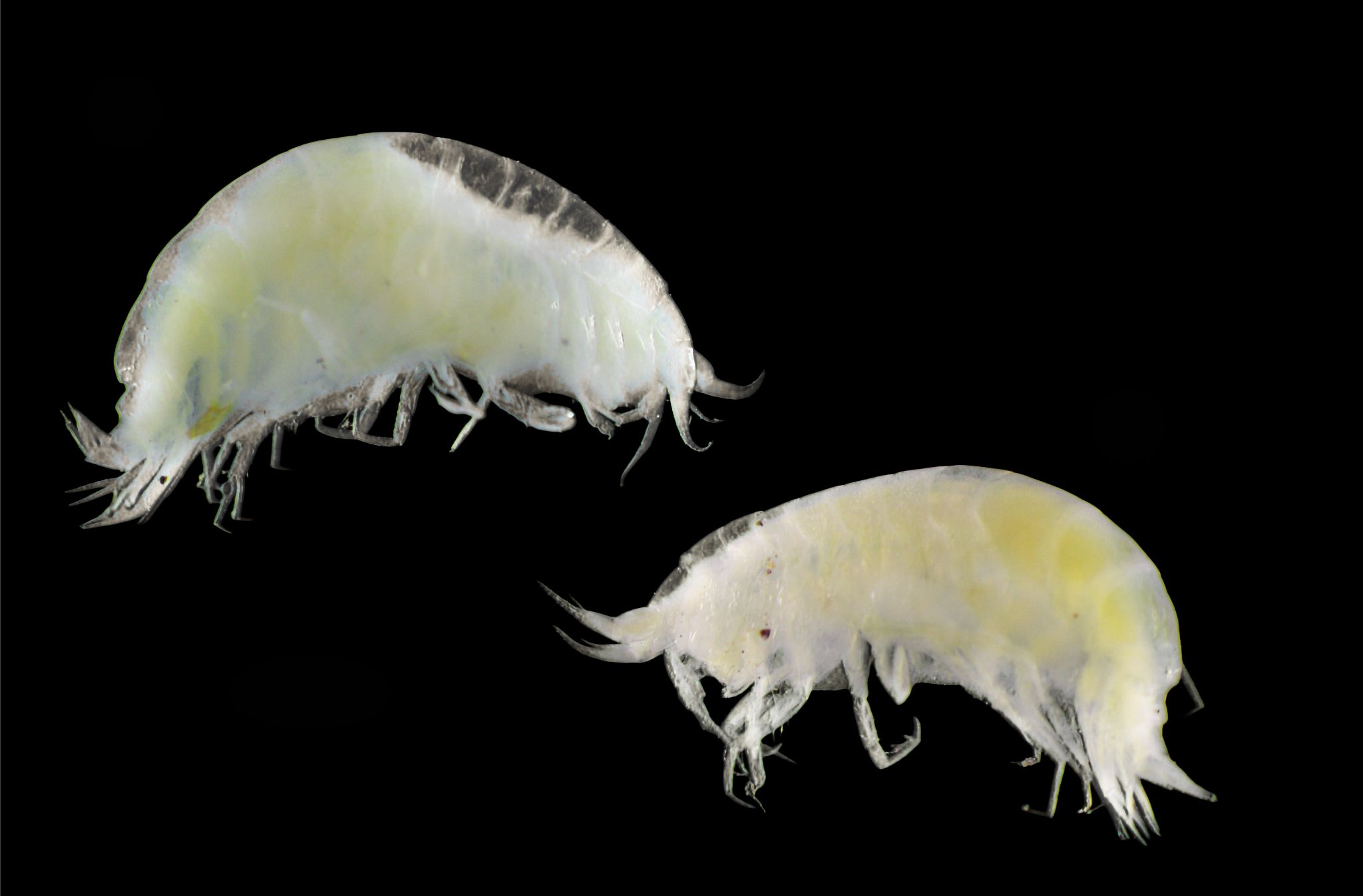
Scientists at the National Oceanography Centre (NOC) named the species to serve not only as recognition of past achievements and research, but to also act as a reminder of the importance of long-term scientific commitment to the area.
The discovery and naming of Caeconyx papso, has been published in ZooKeys. It is also notable for being final paper that the late Michael (Mike) Thurston contributed to.
Mike led the first expedition to PAP, aboard the RRS Challenger in 1985, making the latest described member of the PAP-SO species community even more special.
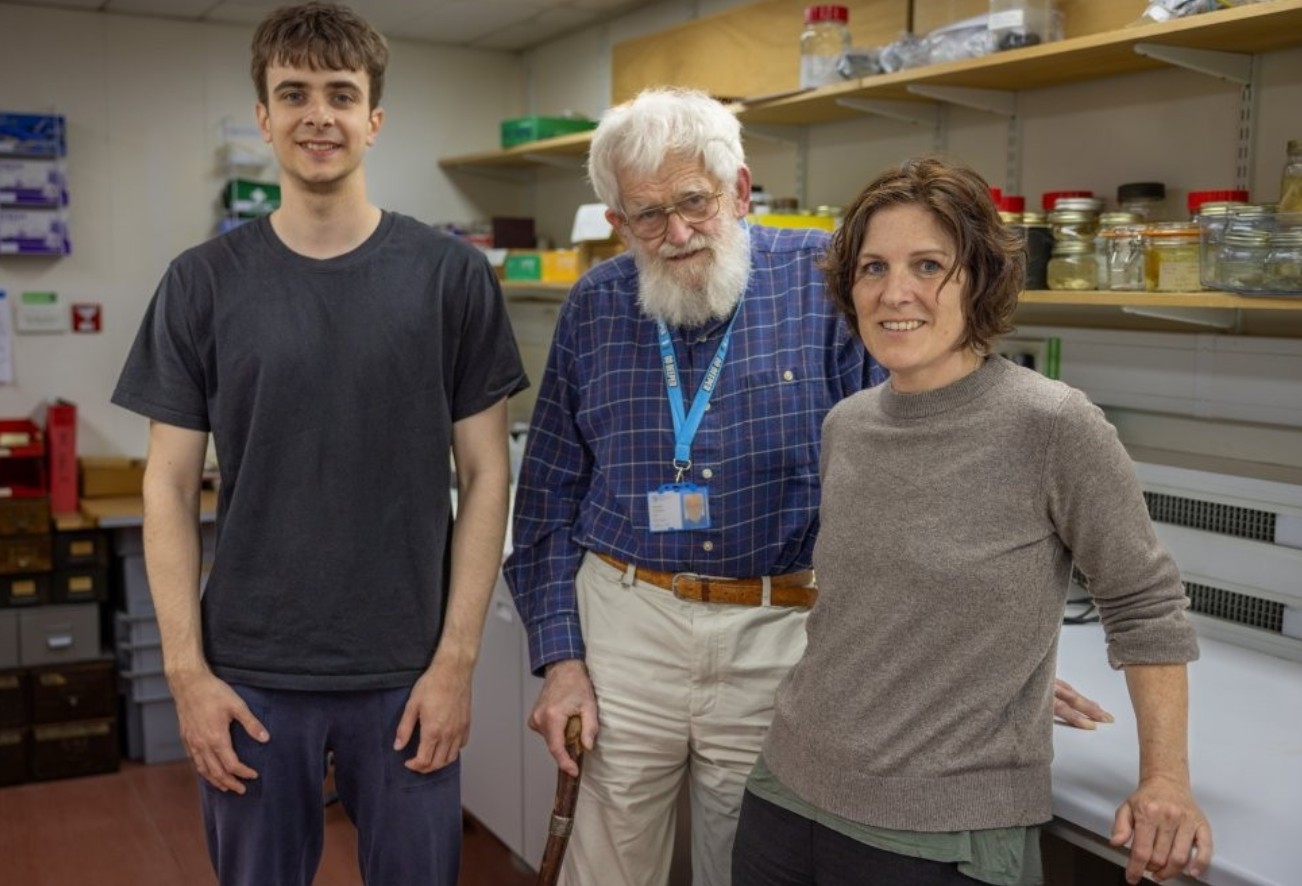
NOC’s Dr Tammy Horton and Dr Guadalupe Bribiesca-Contreras also contributed, with the work being led by University of Southampton MSci student, Ben Walker, as his first publication - giving the paper a genuinely multi-generational reach.
The discovery and naming of this species reflect the importance of sustained observation in uncovering the hidden diversity of the deep sea.
Dr Tammy Horton, National Oceanography Centre
Dr Horton continued: “This is a very sentimental species for us. Mike became my mentor when I first started at NOC and, over the last 25 years, we became not just colleagues but great friends.
“We lost Mike late last year, and it is fitting that we honour the work he started at PAP-SO in this way. But it is not just a tribute to the work that has gone before, we also want to look forward. Ben is one of the latest members of our Discovery Collections team, here at NOC, so this paper really spans generations of research, including those who will continue this important work in years to come."
Located in the Northeast Atlantic at nearly 5,000 metres depth, PAP-SO hosts the world’s longest continuous deep-sea biological time series, which began in 1985.
Its scavenging amphipod time series of PAP-SO is the longest known abyssal biological time series in the world and has provided invaluable insights into how deep-sea ecosystems respond to changes in surface ocean conditions and climate.
The new species was originally spotted during the first year of sampling and has since been recorded 54 times, with the latest specimen identified in 2024.
The relatively small number of specimens highlights both the rarity of the species and the challenges of studying life in the abyss, where extreme pressure, low temperatures, and limited food supply create one of the most inhospitable environments on Earth.
Dr Horton added: “This discovery highlights the importance of long-term monitoring in revealing the biodiversity of the deep-sea.
“The PAP-SO programme has already contributed to the identification of several other species, helping scientists better understand how deep-sea ecosystems respond to environmental and climate changes.
“Without long-term datasets like these, many species would remain unknown to science.”
As researchers continue to explore the depths, the legacy of PAP-SO stands as a testament to what can be achieved through sustained observation, collaboration, and curiosity about the least understood regions of our planet.
Be part of the community helping our ocean thrive.