
Innovative study combines machine learning, ecological modelling and satellite observations to identify critical habitats for triggerfish recovery, demonstrating the value of ocean science partnerships through BORA Blue Ocean Research Alliance®
Scientists at the National Oceanography Centre (NOC) have developed an innovative habitat mapping approach that could help restore threatened grey triggerfish (Balistes capriscus) populations along the Brazilian coast.
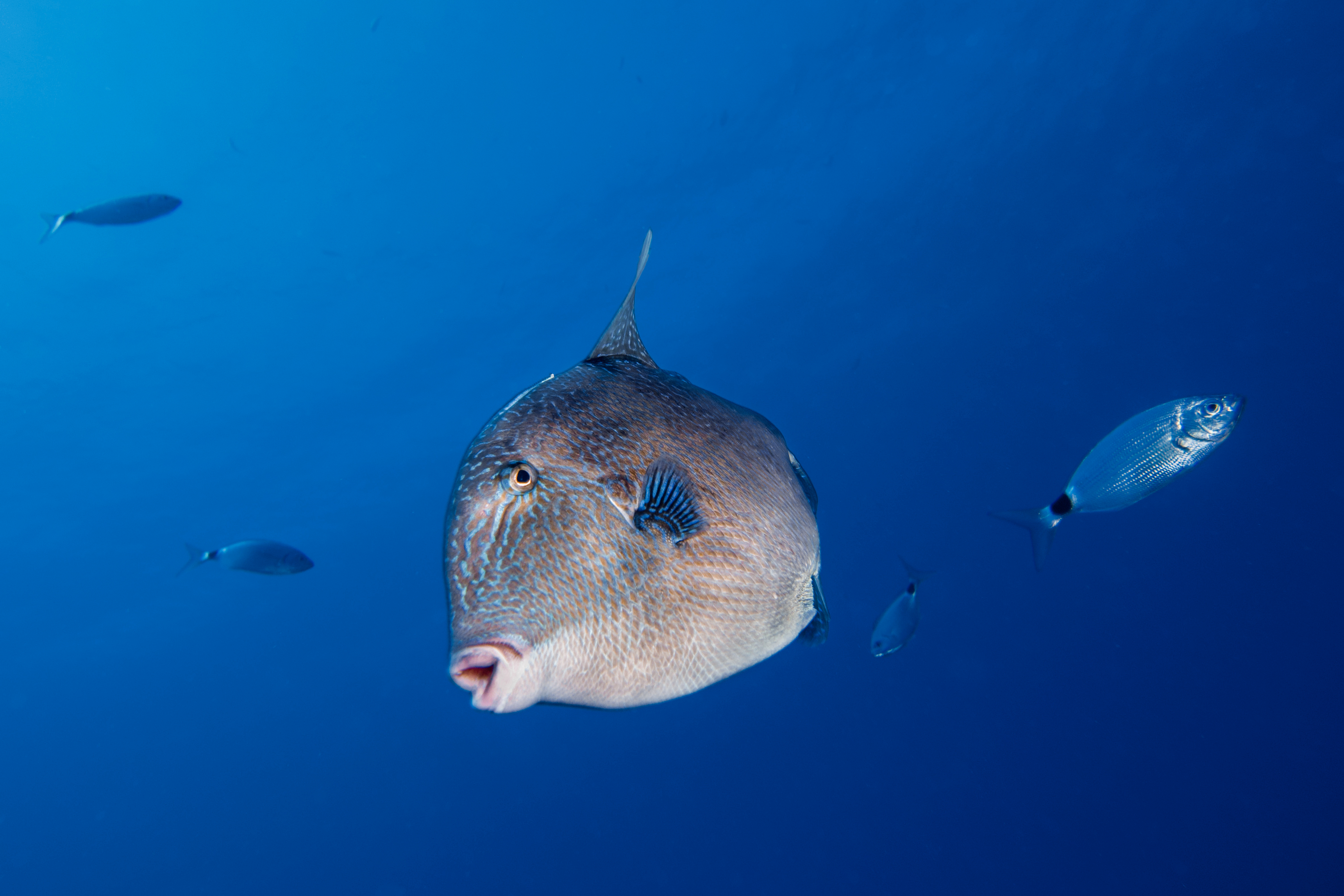
By combining machine learning, ecological modelling and satellite data, the team identified more than 8,000 km² of suitable habitat for adult fish and extensive nursery areas for juveniles, providing valuable guidance for future fisheries recovery efforts.
Researchers collaborated with Instituto Federal do Espírito Santo in Brazil on the study, focusing on the grey triggerfish - a species of major commercial and recreational importance in Brazil that has suffered significant population decline due to overfishing and habitat disturbance. Classified as Vulnerable globally, the species has become a growing conservation concern in Brazil because of its ecological and economic importance to coastal communities.
Using machine learning, ecological models, and long-term satellite data on floating sargassum, researchers identified where adult and juvenile triggerfish are most likely to be found along the Brazilian coastline. The study highlights key habitats that are important throughout the species’ life and identifies areas where conservation and stock enhancement efforts are most likely to be effective.
The findings show that adult triggerfish are strongly associated with shallow rocky reefs and warm coastal waters, while juveniles depend heavily on pelagic habitats and floating sargassum, which provide both shelter and feeding opportunities during early life stages.
Importantly, the study identified areas of overlap between adult and juvenile habitats, including priority locations such as Espírito Santo, where conservation action and stock enhancement programmes could have the greatest impact.
This research addresses a major challenge in marine conservation as many fisheries around the world lack the detailed data needed to guide restoration strategies.
Dr Talicia Pillay, Applied Scientist at NOC and lead author of the study
Dr Pillay continued: “By combining advanced modelling with ecological insight, we were able to identify where threatened fish populations are most likely to recover, providing a practical roadmap for rebuilding fisheries, even where data are limited.”
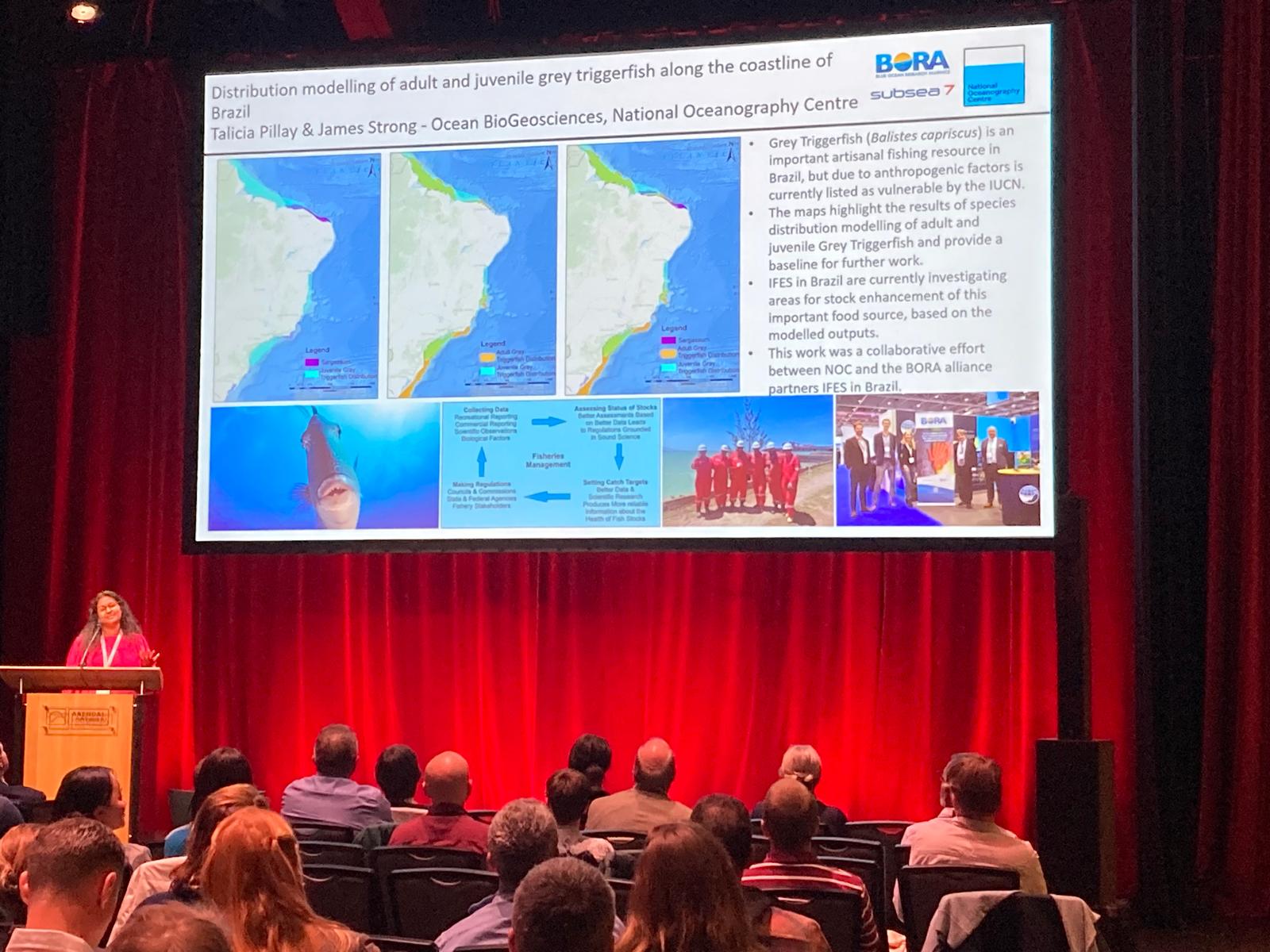
This work was funded through BORA Blue Ocean Research Alliance®, an innovative alliance between NOC and Subsea7 that supports collaborative research to improve understanding of the world’s oceans. The Alliance is accredited by the United Nations Decade of Ocean Science for Sustainable Development, reflecting its international contribution to advancing ocean knowledge and supporting sustainable ocean management.
Liz James, Group Environmental Director at Subsea7, said: “The Essential Fish Habitat Mapping project is one of several important research initiatives currently being delivered through BORA Blue Ocean Research Alliance® and highlights the growing role that science-industry partnerships can play in addressing global marine challenges.”
The project also underlines the importance of collaboration between research institutions and industry in supporting food security. By improving understanding of fish habitat requirements and population rebuilding potential, the work contributes to NOC’s work applying ocean science to sustainable and resilient food systems, as well as to a wider sustainable marine economy.
Building on these findings, the next phase of the project will focus on turning habitat maps into practical decision-making tools for fisheries managers, helping to identify priority areas for conservation and support the recovery of grey triggerfish populations.
About the National Oceanography Centre (NOC)
The UK’s National Oceanography Centre (NOC) is one of the world’s top ocean research institutions. NOC’s scientists work around the globe, uncovering links between the ocean, climate change and biodiversity loss, to help every living thing on our planet flourish.
NOC solves challenging multidisciplinary, large scale, long-term marine science problems to underpin international and UK public policy, business and societal outcomes.
NOC is a company limited by guarantee set up under the law of England and Wales (11444362) and registered as a charity (1185265).
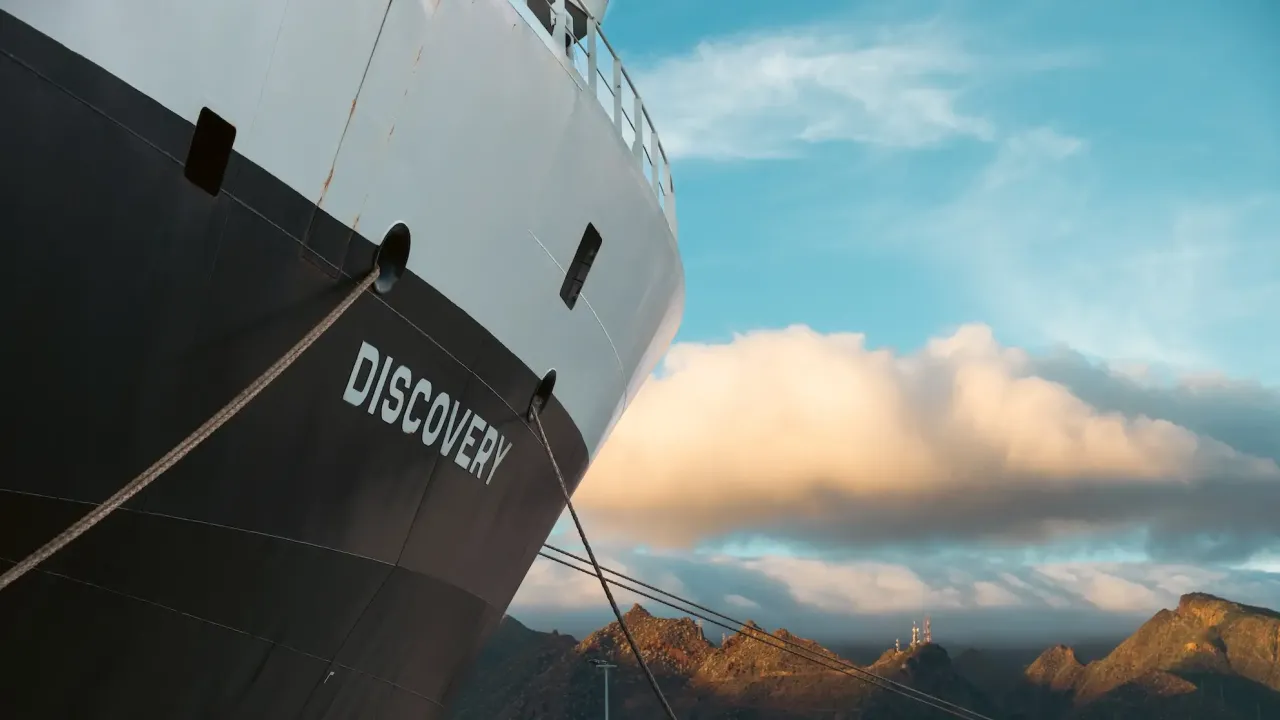
NOC operates the Royal Research Ships James Cook and Discovery and develops technology for coastal and deep ocean research.
Working with its partners NOC provides long-term marine science capability including: sustained ocean observations, mapping and surveying; data management; modelling and scientific research and advice.
Among the resources that the NOC provides on behalf of the UK are the British Oceanographic Data Centre (BODC), the Marine Autonomous and Robotic Systems (MARS) facility, the National Marine Equipment Pool (NMEP), the National Tide and Sea Level Facility (NTSLF), the Permanent Service for Mean Sea Level (PSMSL) and British Ocean Sediment Core Research Facility (BOSCORF).
About Subsea7
Subsea7 is a global leader in the delivery of offshore projects and services for the energy industry.
Subsea7 makes offshore energy transition possible through the continuous evolution of lower-carbon oil and gas and by enabling the growth of renewables and emerging energy.
Be part of the community helping our ocean thrive.