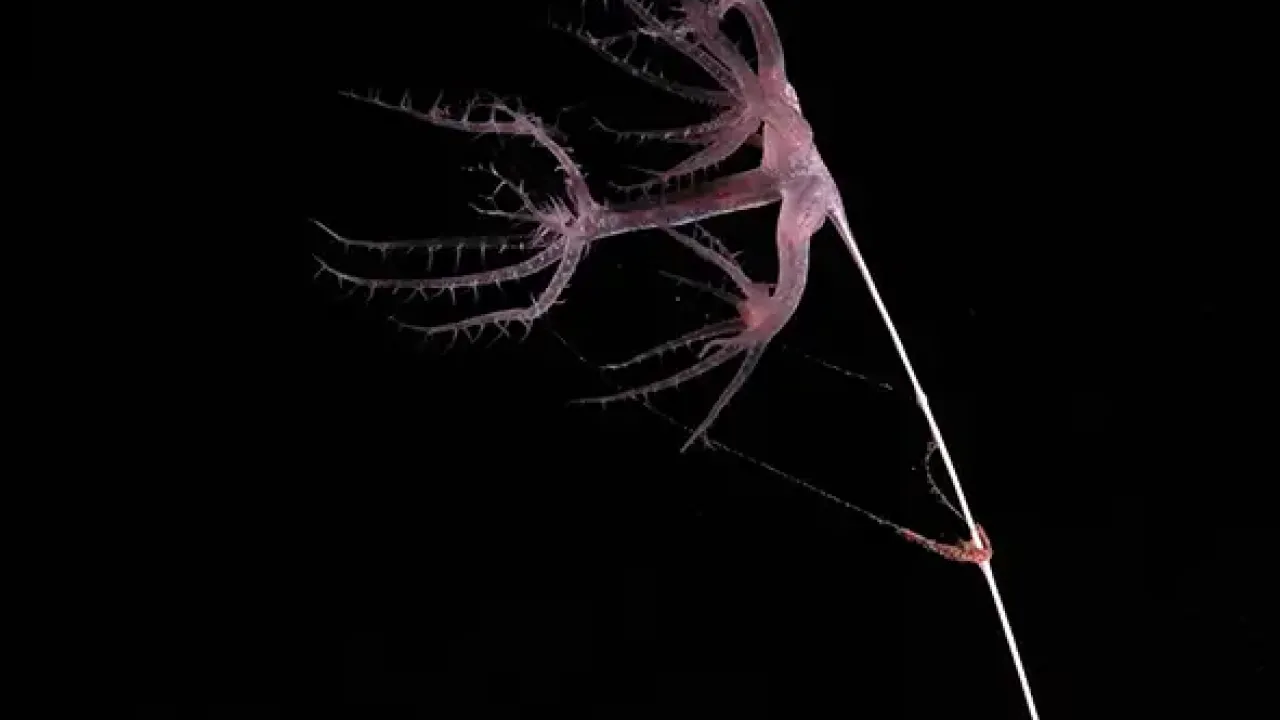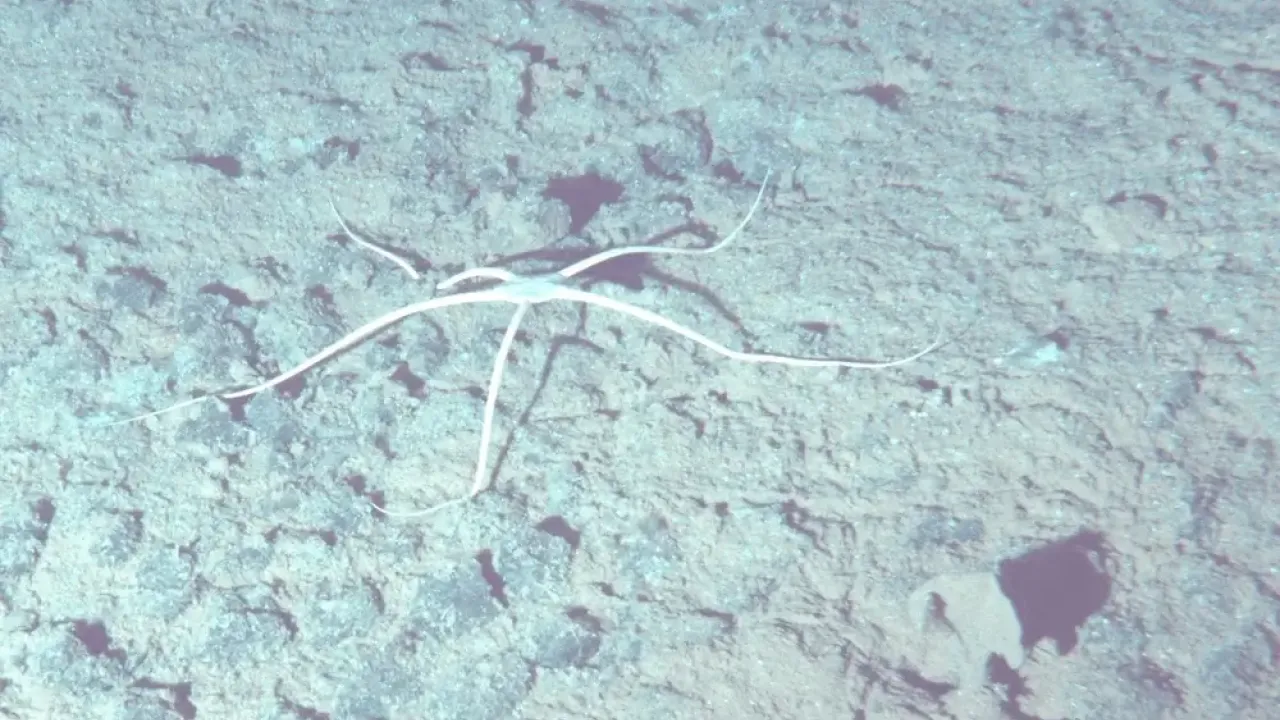

Marine ecotoxicology is the study of identifying exposure of marine organisms to pollutants, such as metals, and measuring changes to the organism's physiology, so called biomarker endpoints. Marine ecotoxicology is well-developed in coastal environments but the results are not necessarily transferable to the deep-sea and need to be optimised for deep-sea organisms, a vital process if we are to fully understand human impacts in the deep.
There is a need to establish baselines for commonly used biomarker endpoints so that the situation before a disturbance is known, enabling us to quantify the impact.
In situ data, i.e., on the seafloor at several thousand meters depth are rare and non-existent for fish.
One of the aims of JC257 was to explore and test procedures for establishing in situ baselines for a variety of ecotoxicological endpoints, DNA damage (see blog from JC241) and oxidative stress in fish.
Oxidative stress is an imbalance between oxygen radicals and antioxidants (e.g. vitamins etc) in the cells of organisms living in the deep-sea. Relevant endpoints include various antioxidant enzymes and cell membrane damage.
SMARTEX and JC257 offered the exciting opportunity to work together with the ISIS ROV team to operate a fish trap in situ and explore how sediment plumes might impact the species living there.
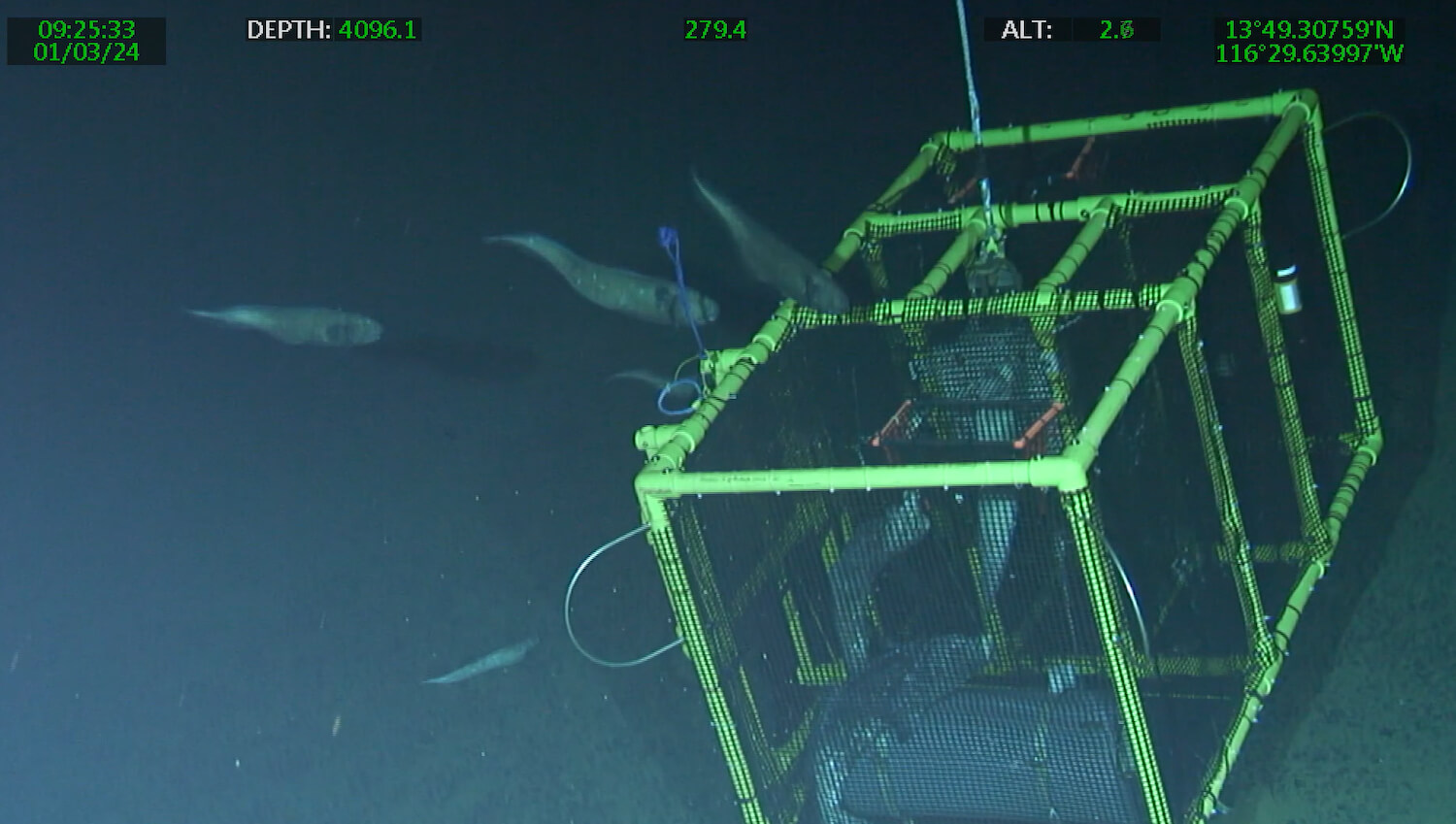
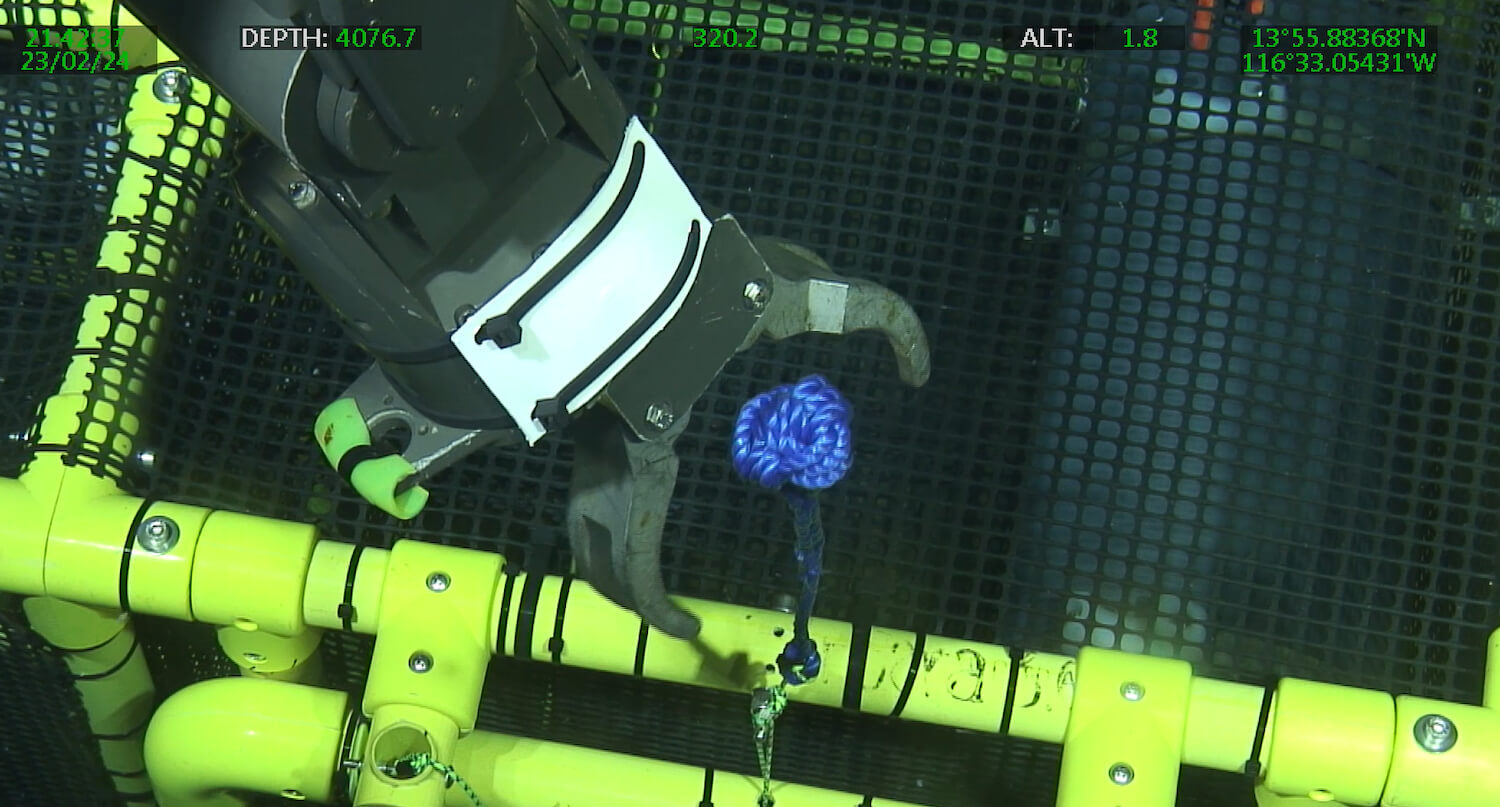
It was very exciting to be sitting in the ISIS ROV van directing the operation of the manipulator arm to close the trap and create an experimental plume.
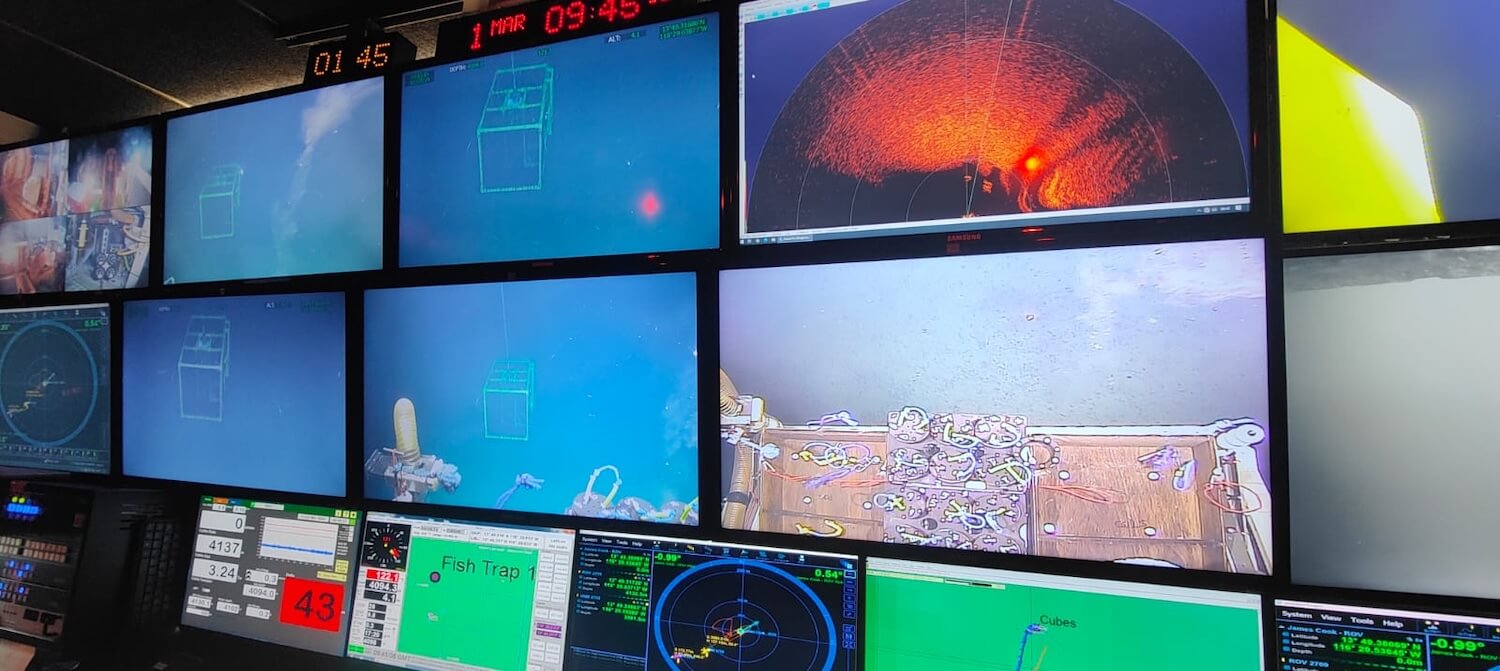
This work is essential to help us refine these procedures so that they are not just feasible but the resulting data ecologically meaningful for making future regulatory decisions concerning the exploitation of the deep-sea.
Be part of the community helping our ocean thrive.