

Continuing Vital Long-Term Ocean Observing
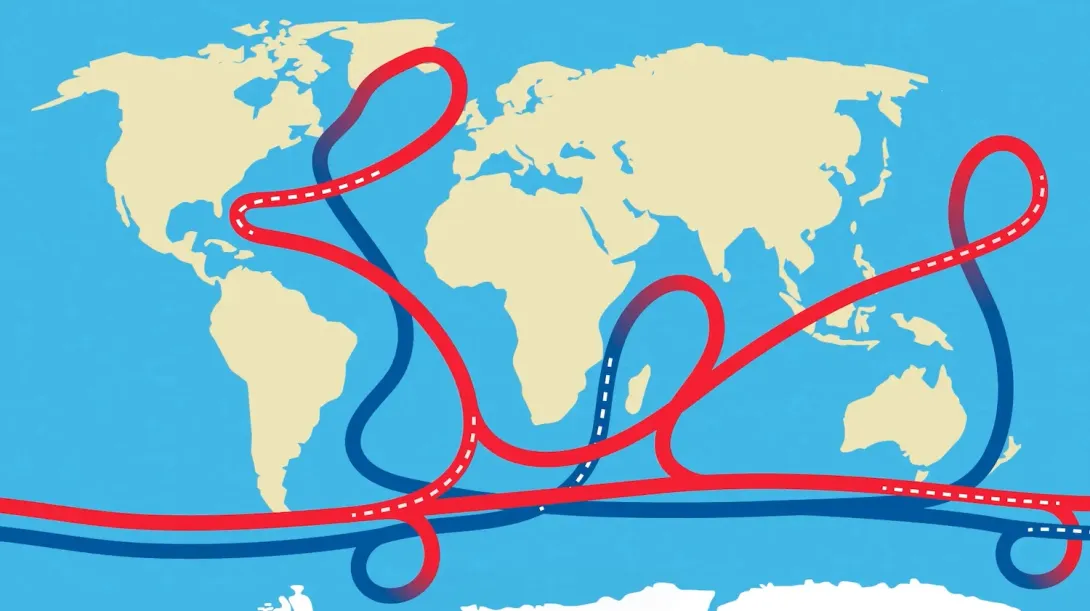
DY204 aimed to further monitor one of the ocean's most important climate systems, the Atlantic Meridional Overturning Circulation (AMOC).
The RAPID-AMOC 26°N project makes observations of the Atlantic Meridional Overturning Circulation in collaboration with colleagues from University of Miami and NOAA in the USA. The UK component of this project is an array of moorings in the subtropical Atlantic.
Expedition Diary
| Ship | Duration | Departed | Returned | General Location | Chief Scientist |
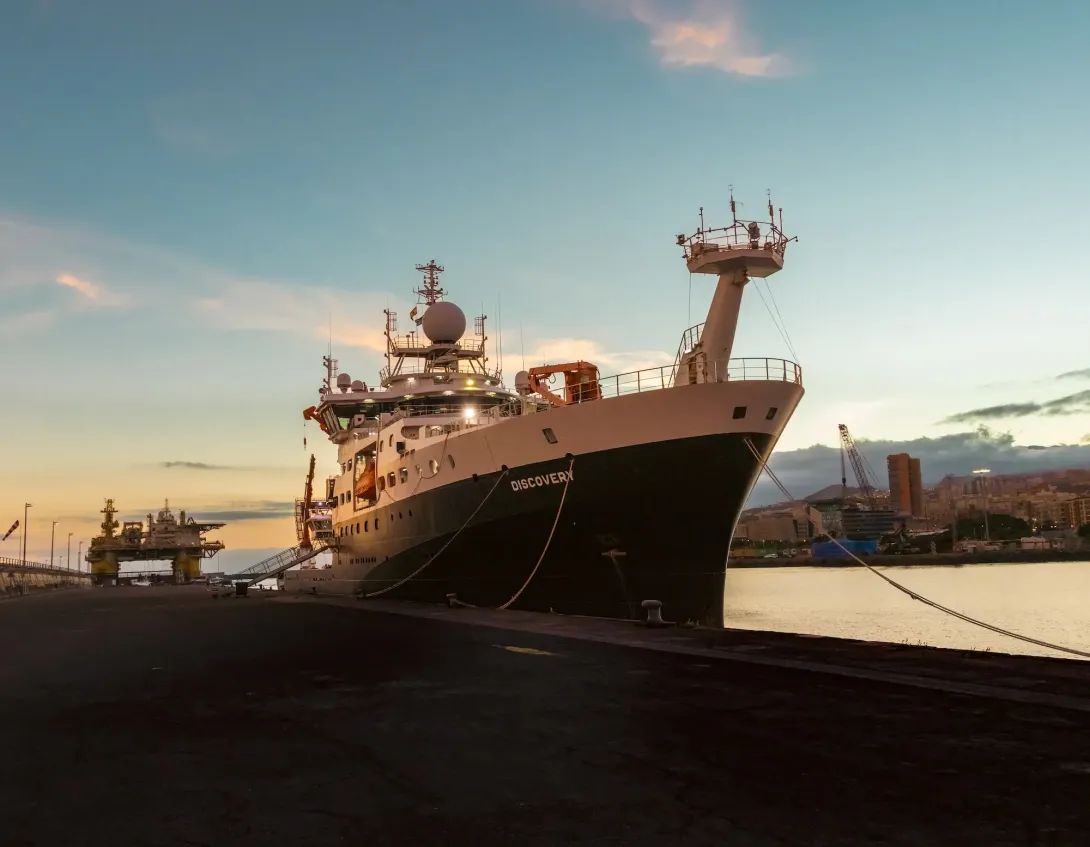
| RRS Discovery | 2/2/26 - 10/2/26 (8 days) | Tenerife, Spain | Tenerife, Spain | North East Atlantic Ocean | Dr Ben Moat |
The primary objective of the cruise was to service the eastern section of the RAPID 26*N array of moorings that is deployed across the subtropical Atlantic to measure the variability of the Atlantic Meridional Overturning Circulation (AMOC). The main measurements required are of temperature, salinity, ocean current speed and bottom pressure.
In additional the cruise had a number of additional objectives:
- To improve understanding of the meridional transport of carbon by the ocean additional instruments were recovered from moorings to measure Oxygen.
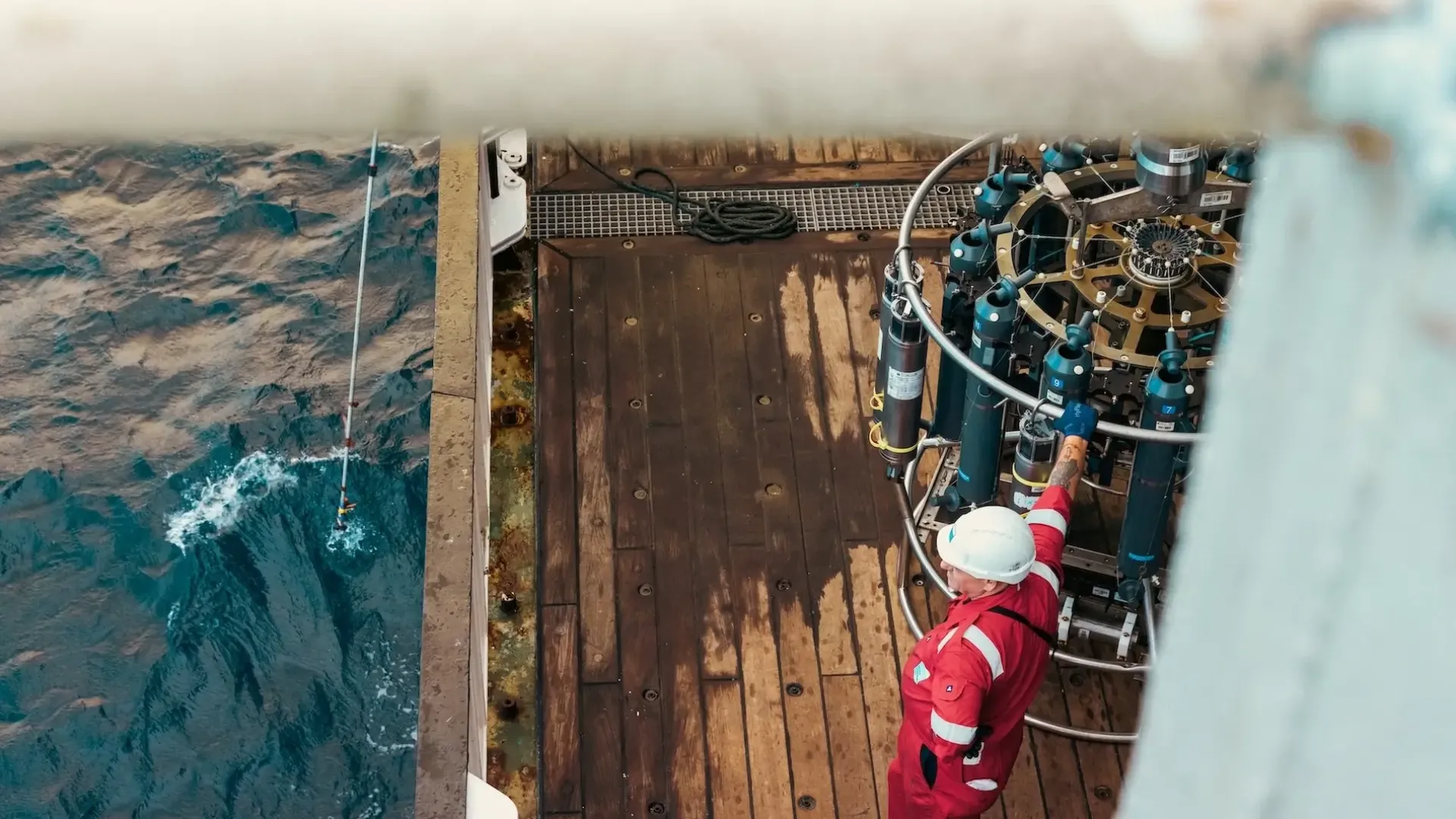
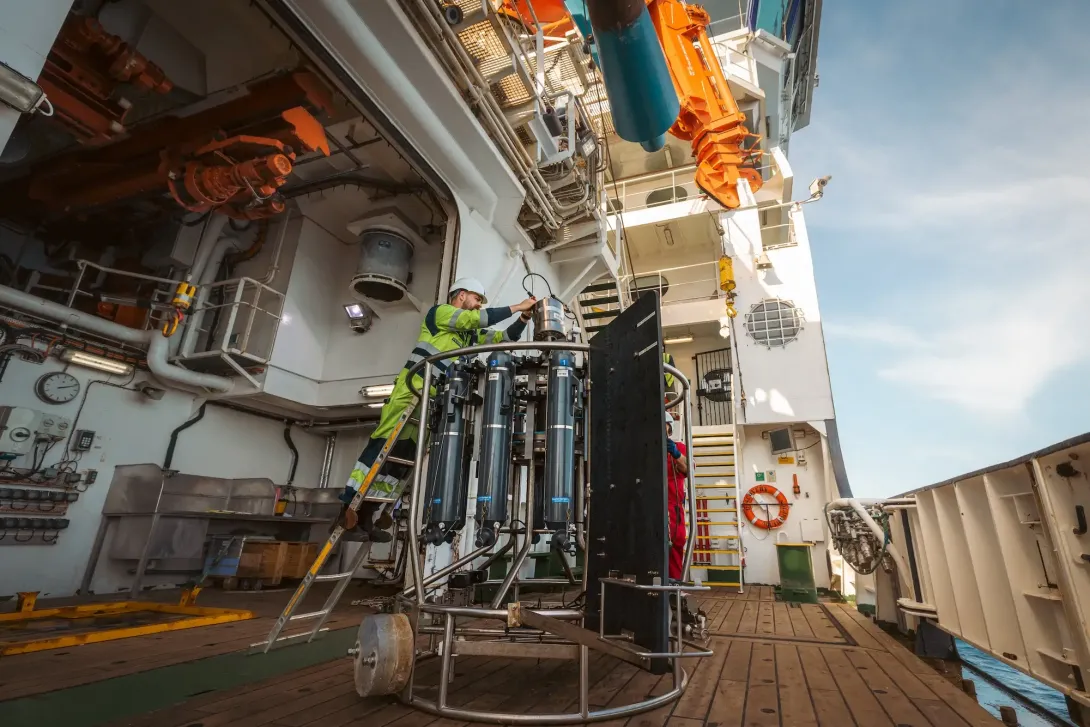
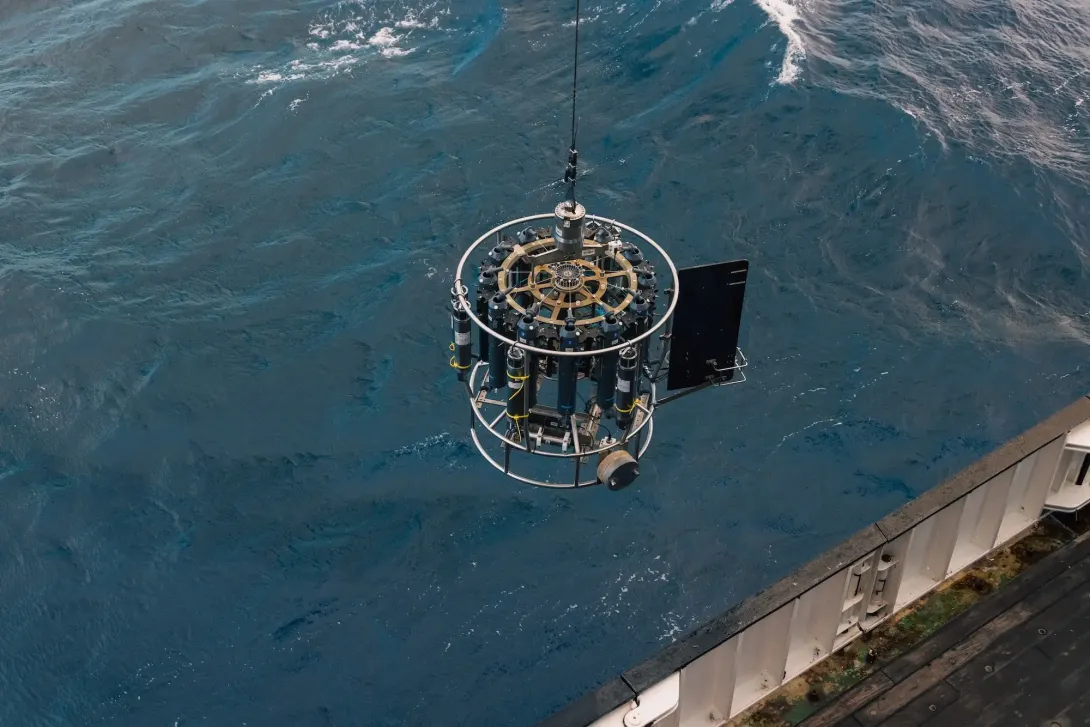
- To calibrate the moored instruments a number of CTD profiles were made measuring temperature, salinity and oxygen. Water samples were taken and analysed for salinity and oxygen.
- To evaluate the response of the surface ecosystem in the Canary-African Transition Zone to variations in upwelling intensity and source water depths. Additional observations were conducted with the CTD to measure fluorescence, dissolved oxygen and photosynthetic active radiation-PAR. Water samples were also collected to run nutrient-drawdown experiments onboard, with samples analysed for nutrient content, C13 analysis to determine primary productivity from POC, dissolved organic carbon and fluorescent dissolved organic carbon. Water samples will also be preserved in Lugol?s iodine for microzooplankton and protist analysis.
- One Argo float was deployed. These are a part of the international Argo program.
What Equipment Was Deployed?
To improve understanding of the meridional transport of carbon by the ocean additional instruments were recovered from moorings to measure Oxygen.
Learn MoreTo calibrate the moored instruments a number of CTD profiles were made measuring temperature, salinity and oxygen. Water samples were taken and analysed for salinity and oxygen.
One Argo float was deployed. These are a part of the international Argo program
Learn MoreWhere Did DY204 Take Place?
Departing from Tenerife, RRS Discovery headed into the Atlantic to service the eastern section of the array, which is situated along roughly 26.5° north latitude, from the Bahamas/Florida region to the Canary Islands off northwest Africa.
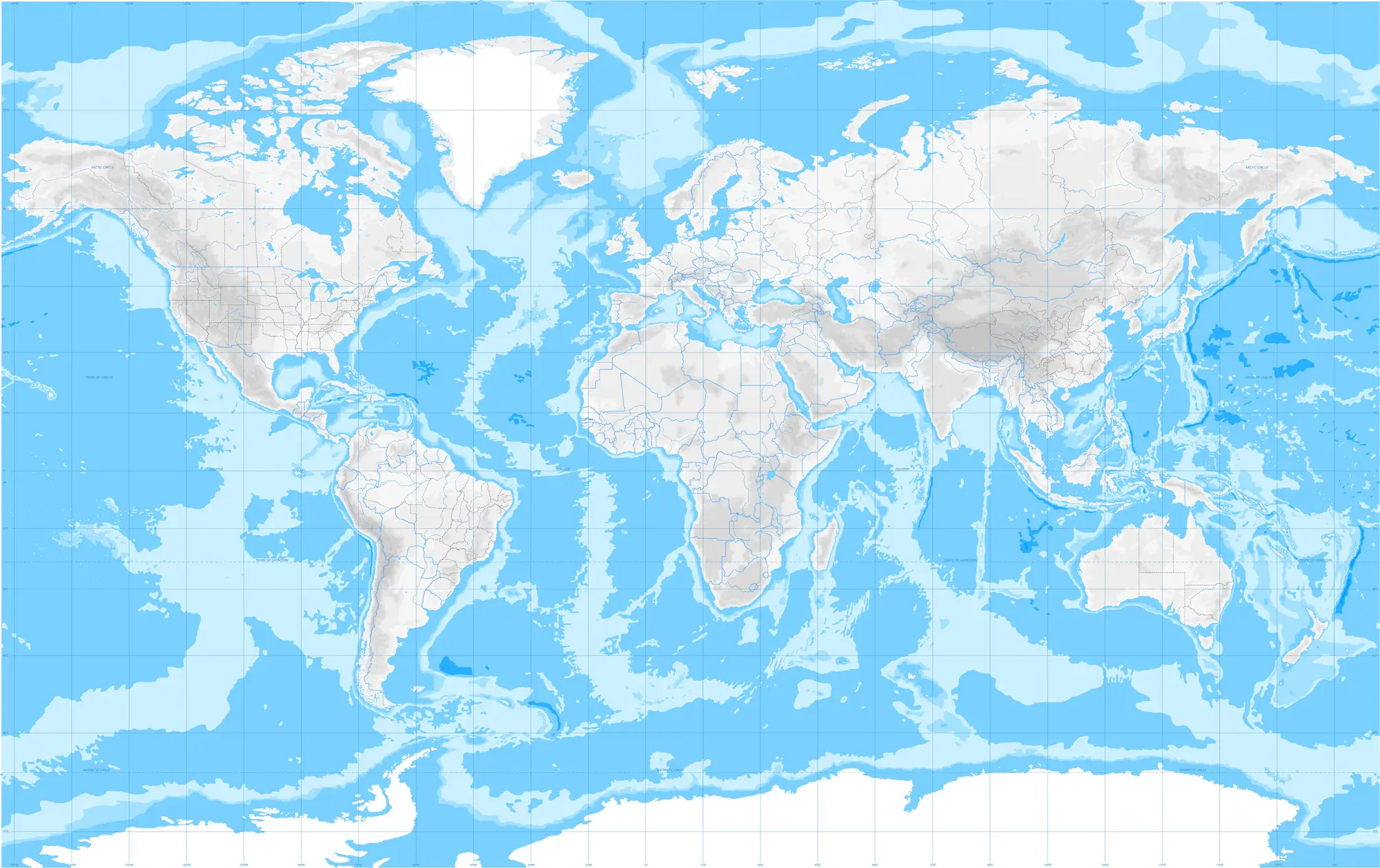
The RAPID-AMOC 26°N Array is a long-running ocean observation system that measures the strength and variability of the Atlantic Meridional Overturning Circulation (AMOC) at about 26.5° north latitude across the Atlantic Ocean. It’s one of the world’s most important climate-monitoring arrays.
The RAPID-AMOC 26°N Array is a long-running ocean observation system that measures the strength and variability of the Atlantic Meridional Overturning Circulation (AMOC) at about 26.5° north latitude across the Atlantic Ocean. It’s one of the world’s most important climate-monitoring arrays.
Expedition Gallery
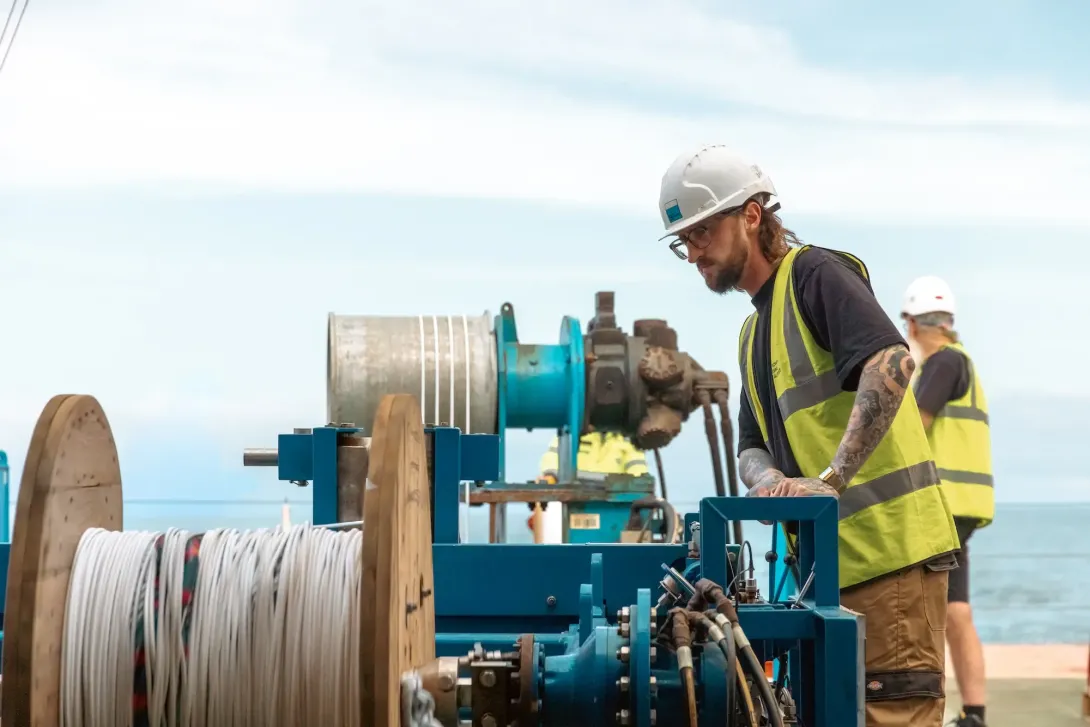
Along with highly-skilled engineers and scientists, NOC's photographer and videographer was onboard to capture the work carried out on the expedition. A selection of the photos captured can be seen below.

Learn More About the AMOC
The Atlantic Meridional Overturning Circulation, or AMOC, is a key climate system and is vital in regulating the temperature of the planet. However, in recent years there have been many studies suggesting that its potential slowdown, or even collapse, could have a catastrophic effect on our climate and could lead to more extreme weather. In our animation, we give you a lowdown on what the AMOC is, how it works, what could happen if it does slow down and what NOC is doing to research it.

Dive Deeper: Access the Cruise Report
Via the British Oceanographic Data Centre (BODC), a full cruise report for expeditions are available. This includes information on locations, objectives as well as the data collected.