

Marking 40 Years of World’s Longest Abyssal Science Project
2025 marked an incredible four decades of cutting-edge science at one of the world’s most unique deep ocean scientific research sites; a major scientific achievement honoured by a major expedition.
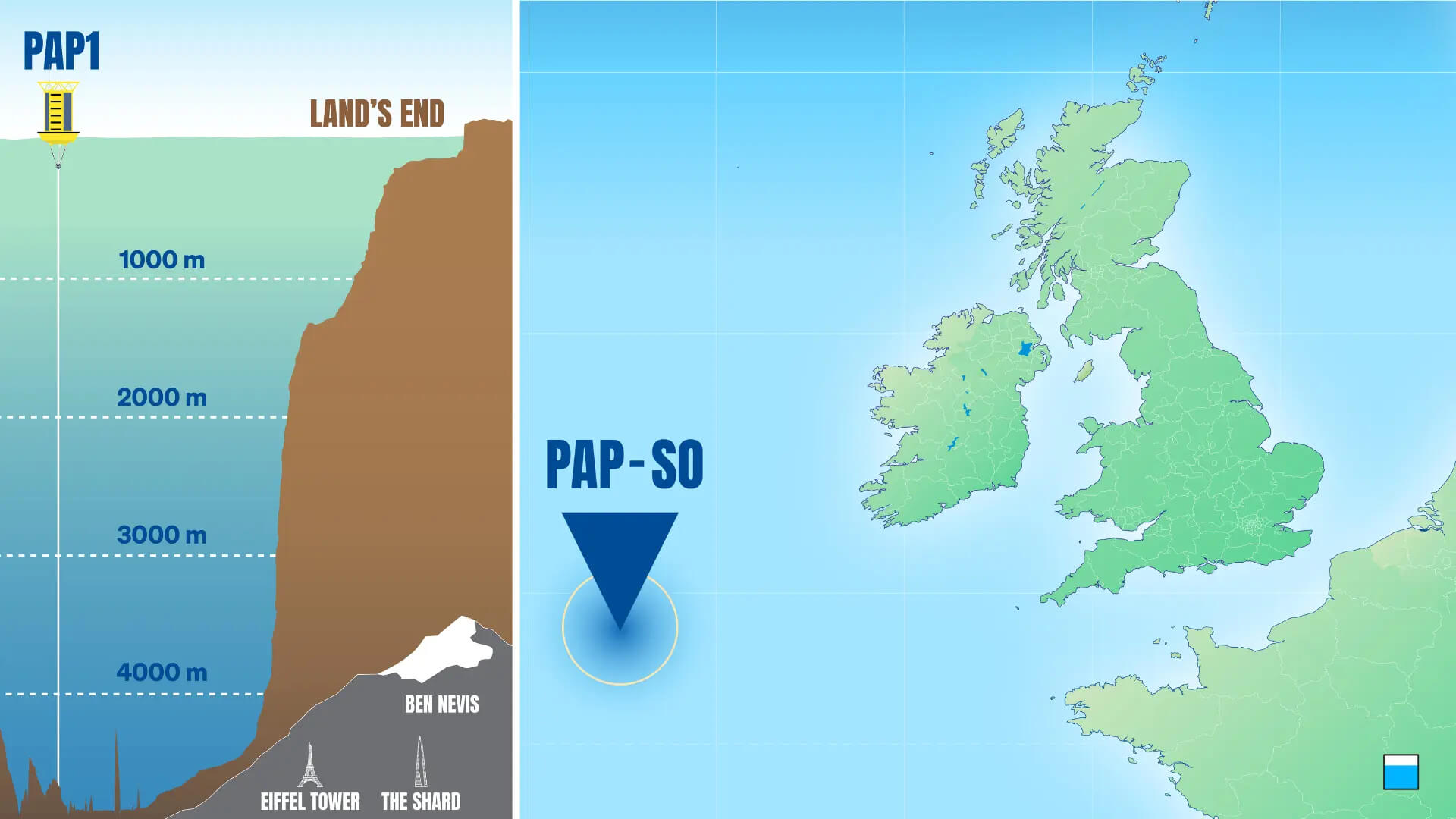
Onboard the RRS James Cook, the intensive, 25-day, expedition will focus on the Porcupine Abyssal Plain Sustained Observatory (PAP-SO), 800 km from Land’s End in the Northeast Atlantic Ocean.
Expedition Diary
| Ship | Duration | Departed | Returned | General Location | Chief Scientist |
| RRS James Cook | 30/5/25 - 23/6/25 (24 days) | Southampton, UK | Southampton, UK | North East Atlantic Ocean Celtic Sea | Dr Andrew Gates |
Started in 1985, at 4,850 m depth, the Porcupine Abyssal Plain Sustained Observatory (PAP-SO) is the world’s longest running time series of life on an abyssal plain – areas of flat seabed at 4,000-6,000 m deep – and one of the world’s longest deep-ocean observatories of critical ocean data, from seabed to the surface.
This expedition, underpinned by UK National Environment Research Council (NERC) funding, through the AtlantiS programme, included testing new, cutting-edge autonomous technologies alongside well established observational methods.
This added to the crucial long-term multidisciplinary observations at the site, which provided a unique and important window into long-term changes in the health of the deep ocean, from the impacts of climate change to its role as a carbon sink.
What Equipment Was Deployed?
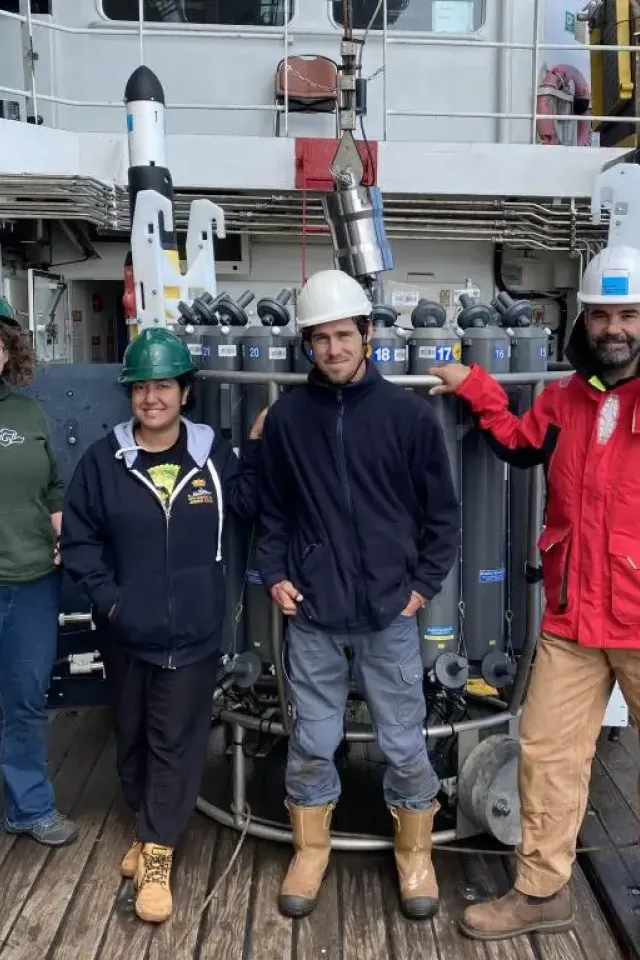
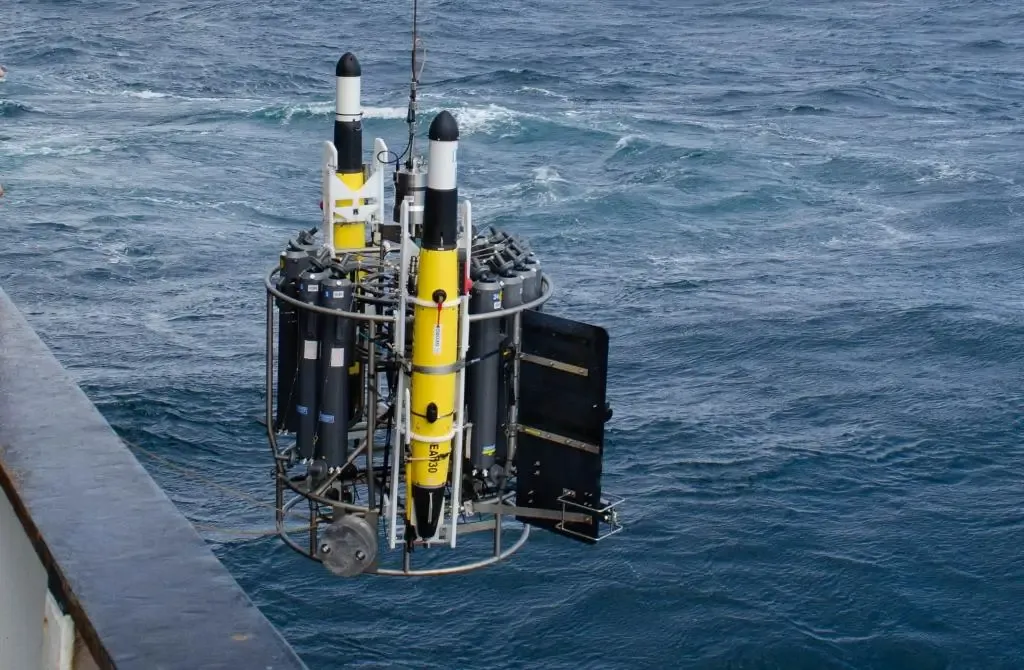
On JC278, many of the objectives involved CTDs. This included the turnaround at Whittard Canyon and Canyons MCZ, plus taking a number of profiles and sampling.
A time series benthic imaging survey was carried out by HyBIS on this expedition, and seabed time-lapse photography was taken by Bathysnap.
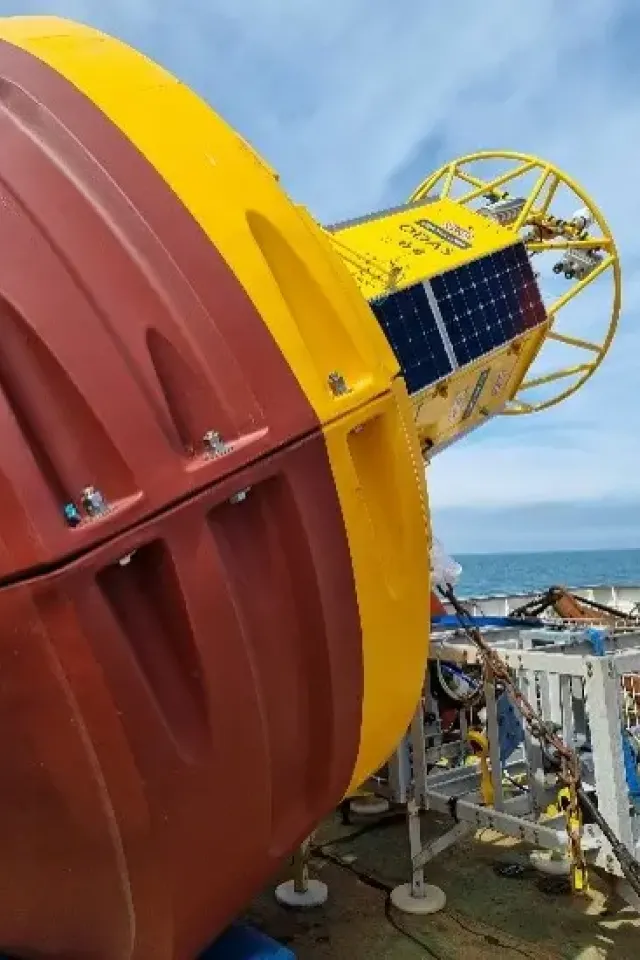
Learn MoreMooring turnaround took place at the Whittard Canyon and Canyons MCZ, as well as a Met Office / NOC atmospheric and upper ocean autonomous mooring (PAP1) and a PAP sediment trap mooring.
Learn MoreGlider deployments and validation with CTD casts and underway drift surveys.
Learn More2 Argo floats were deployed, contributing towards the wider Argo float global observation strategy.
Learn MoreWhere Did JC278 Take Place?
Over the years, NOC has played a pivotal role in maintaining and working with this historic sustained observatory. This expedition follows many before it in travelling to service the significant site.
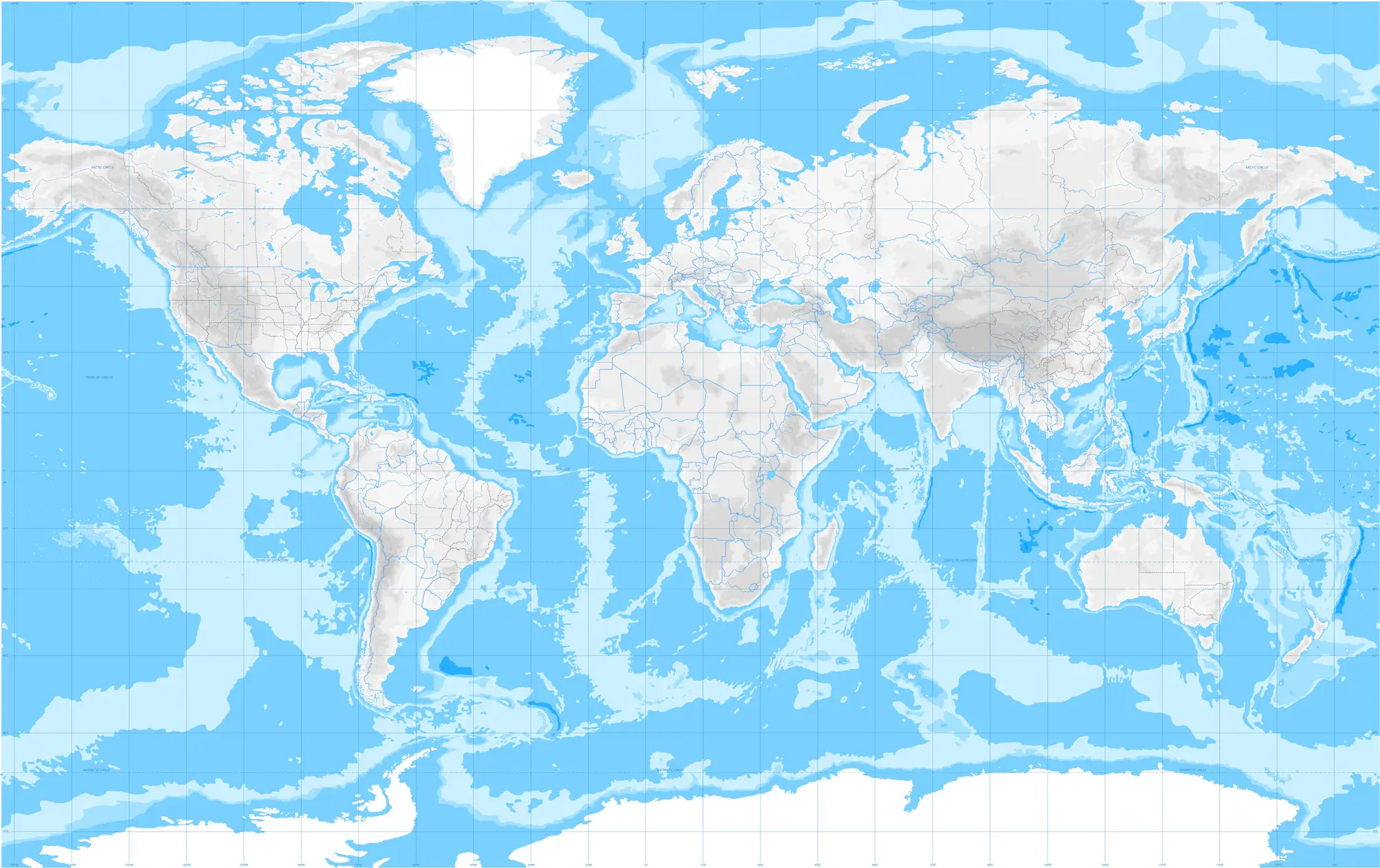
PAP-SO is one of the most remote sites in the North Atlantic - but it’s also one of the most important. Over four decades, it has become one of the world’s longest-running deep-ocean monitoring programmes, offering rare and invaluable insights into life nearly 5,000 m below the surface.
PAP-SO is one of the most remote sites in the North Atlantic - but it’s also one of the most important. Over four decades, it has become one of the world’s longest-running deep-ocean monitoring programmes, offering rare and invaluable insights into life nearly 5,000 m below the surface.
Expedition Gallery
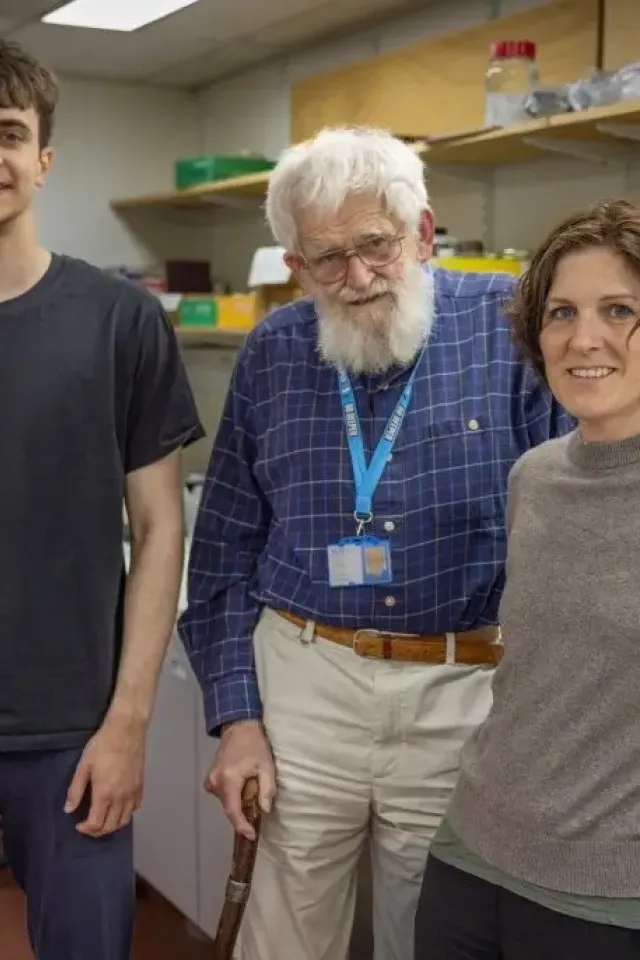
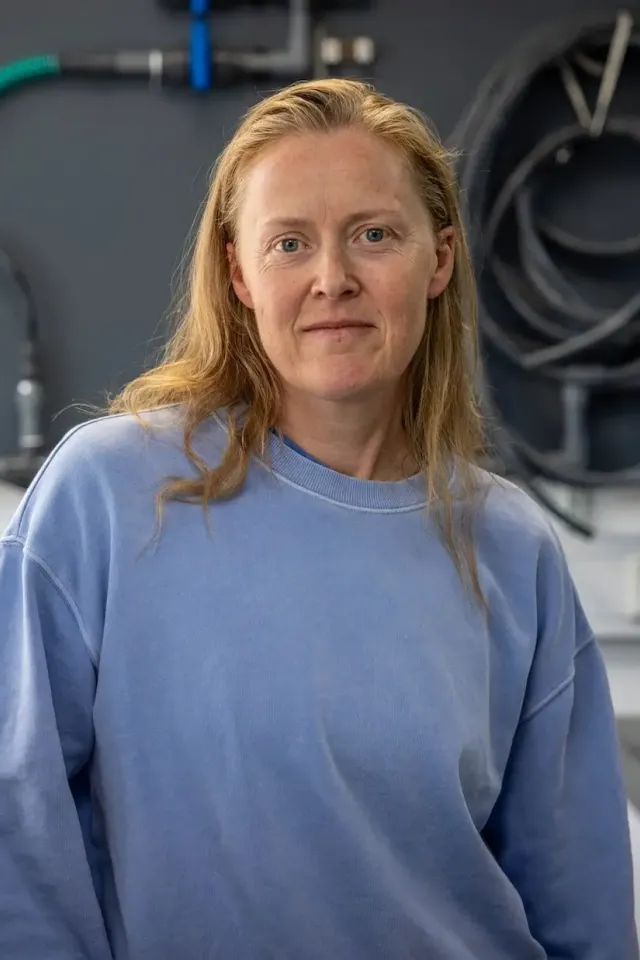
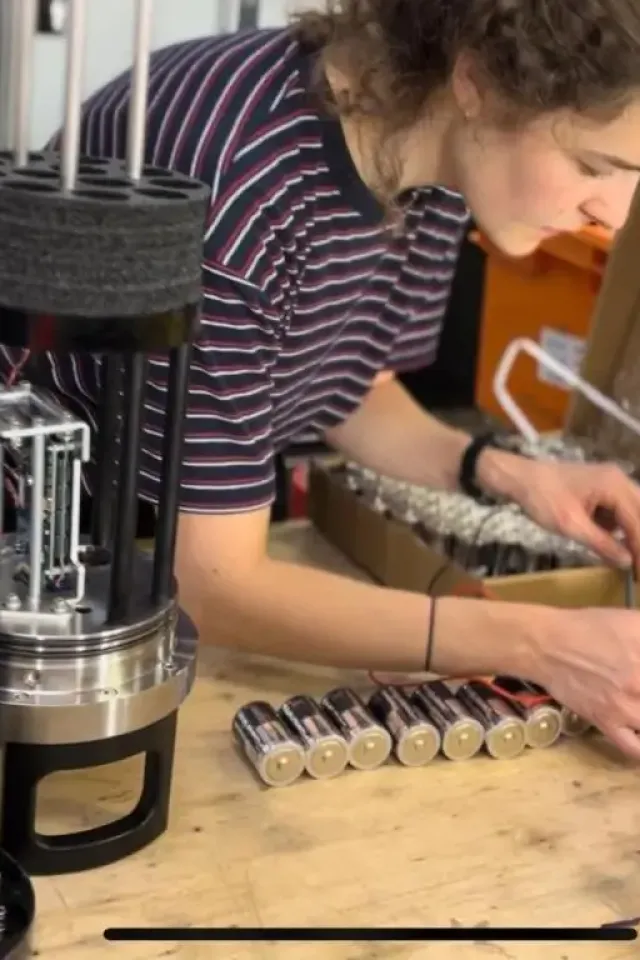
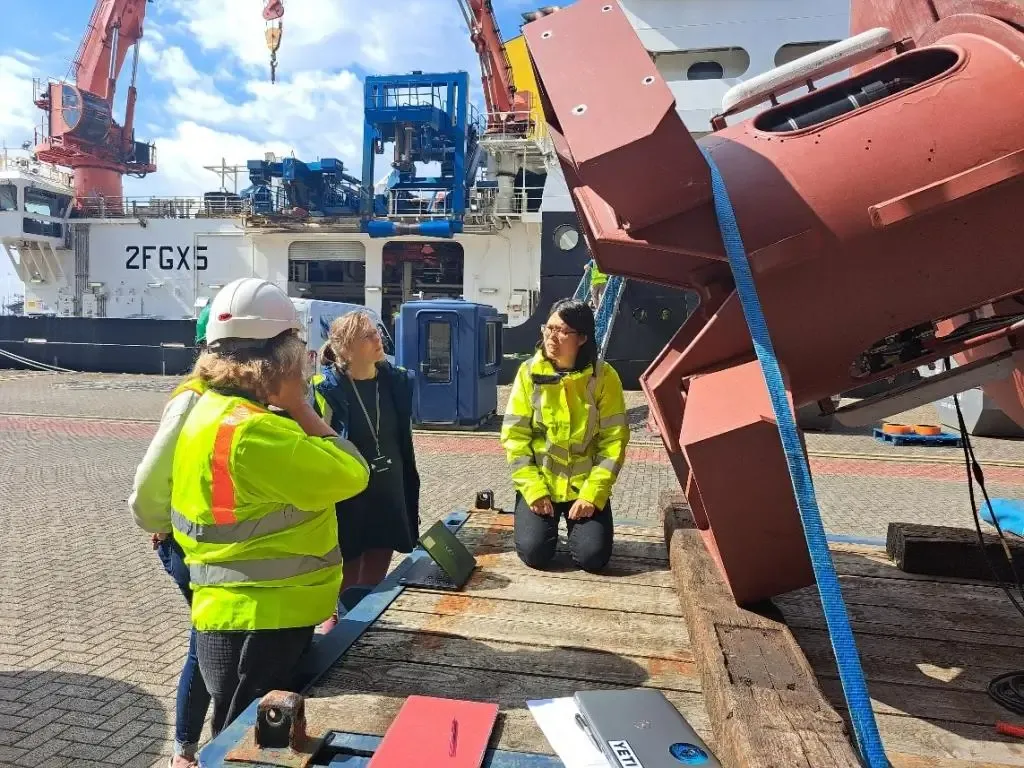
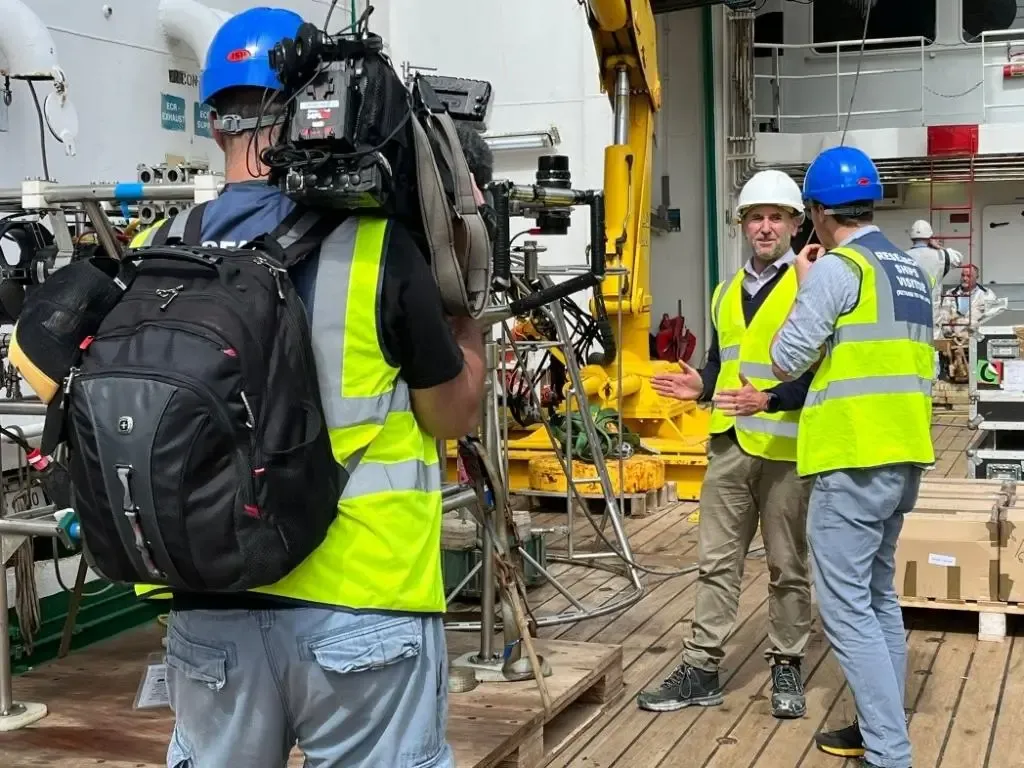
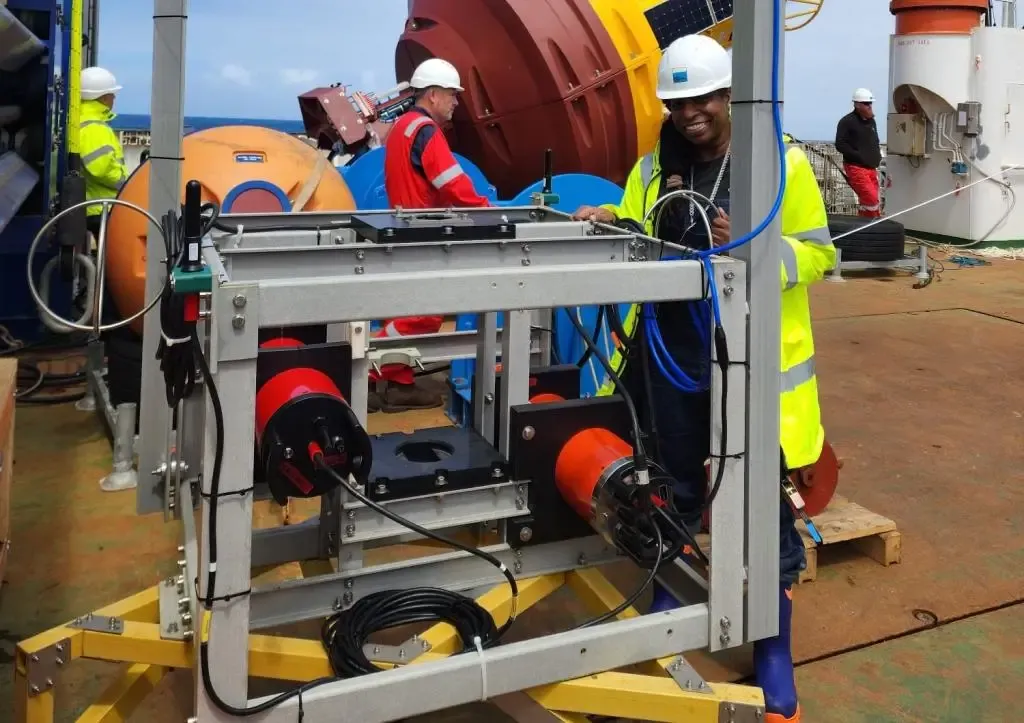
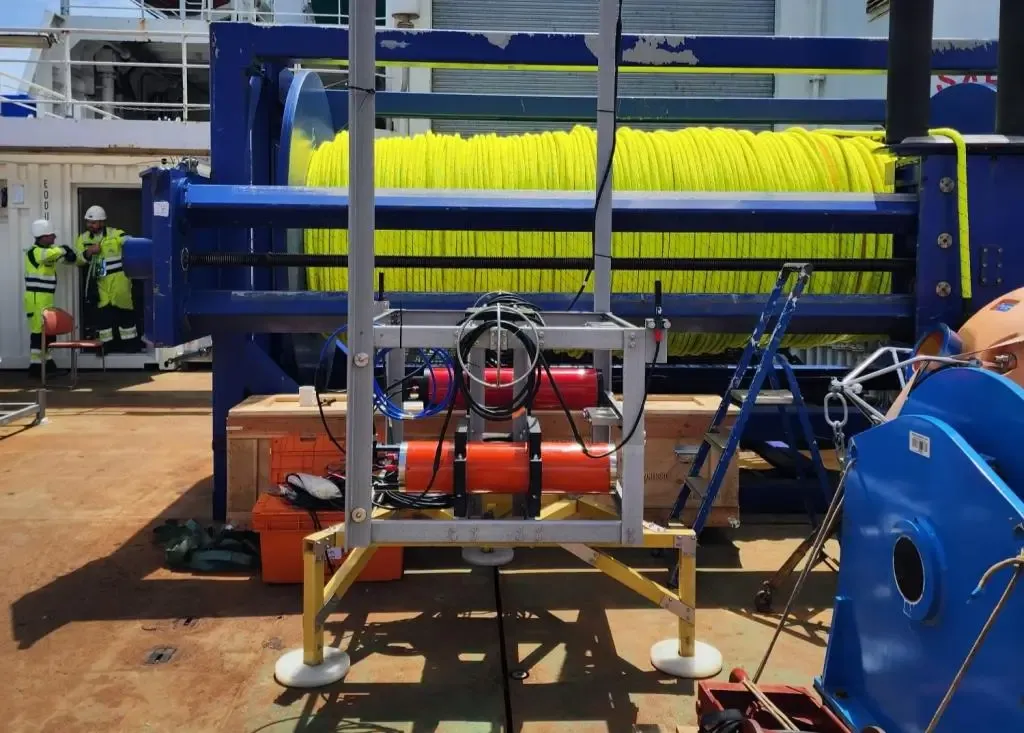
Throughout the expedition, the crew took photos of a range of different activities including technology deployments, specimen collection and day-to-day life.
Dive Deeper: Access the Cruise Report
Via the British Oceanographic Data Centre (BODC), a full cruise report for expeditions are available. This includes information on locations, objectives as well as the data collected.