

Studying Upper Ocean Biogeochemistry
Onboard RRS James Cook, JC247 set sail to the Porcupine Abyssal Plain Sustained Observatory (PAP-SO) in the North East Atlantic at 49° N 16° W.
At PAP-SO, scientists and researchers continued studies of the upper ocean biogeochemistry, water column carbon flux and the ecology of the abyssal seabed.
Expedition Diary
| Ship | Duration | Departed | Returned | General Location | Chief Scientist |
| RRS James Cook | 5/5/23 - 22/5/23 (17 days) | Southampton, UK | Southampton, UK | North East Atlantic Ocean | Dr Andrew Gates |
The aims of RRS James Cook Cruise 247 (JC247) were to study multidecadal change in the NE Atlantic by continuing long-term observations at the Porcupine Abyssal Plain Sustained Observatory (PAP-SO) and Whittard Canyon. Both sites are part of the Natural Environment Research Council's Climate Linked Atlantic Sector Science (CLASS) project, managed by the National Oceanography Centre (NOC).
Research at PAP-SO aims to use time-series data on different temporal scales (hours to years) to observe biogeochemical and ecological change at the site. Scientists have been visiting PAP-SO since 1985 to make observations, and the nature of the science has evolved over that time period.


What Equipment was Deployed?
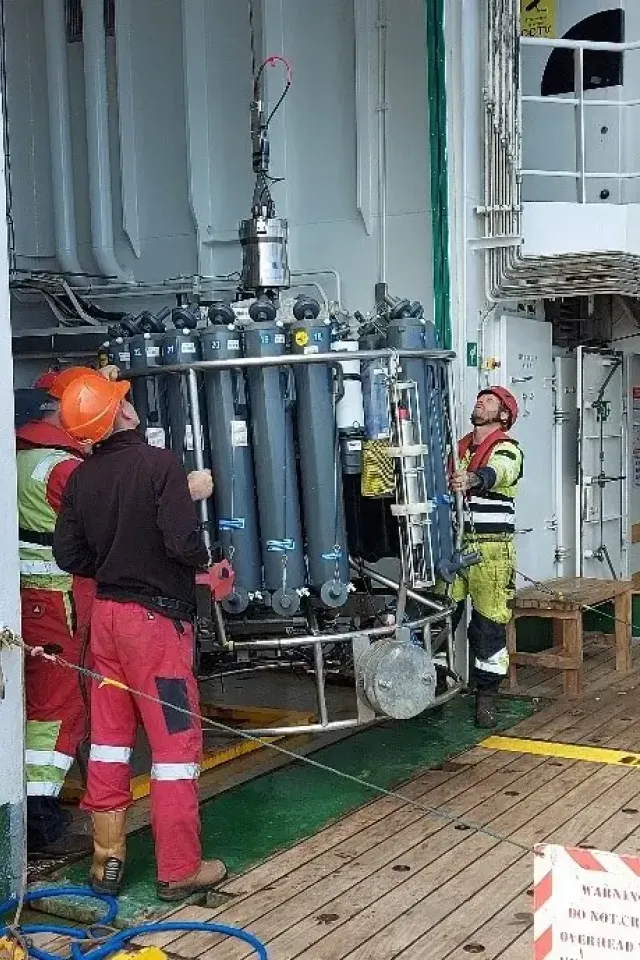
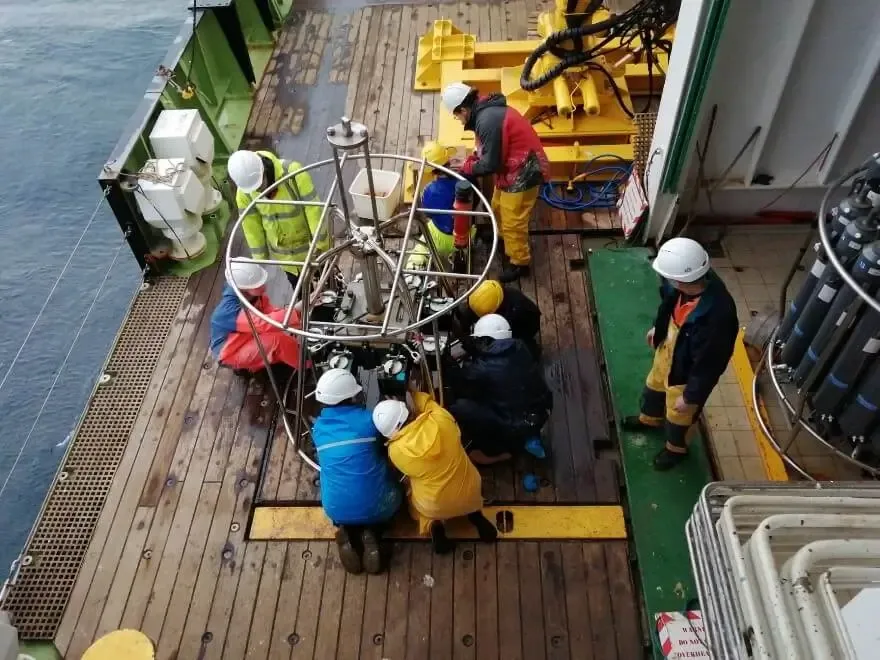
CTDs were used to test the release for a new mooring, water column profiles and sampling and to transport other equipment to the seabed.
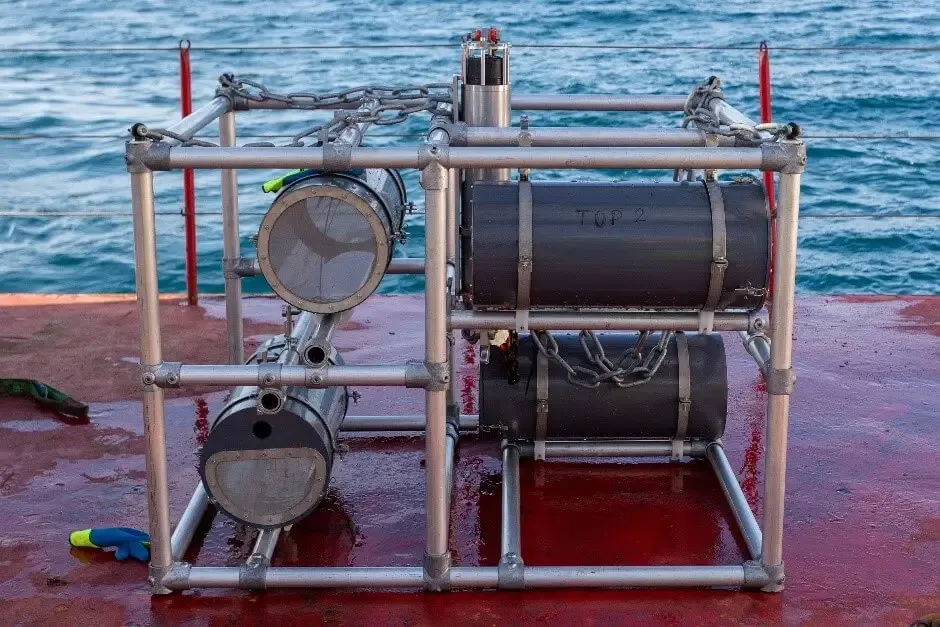
Moorings were recovered, deployed and replaced in the Whittard Canyon. Sediment traps were also deployed and replaced during the entire expedition.
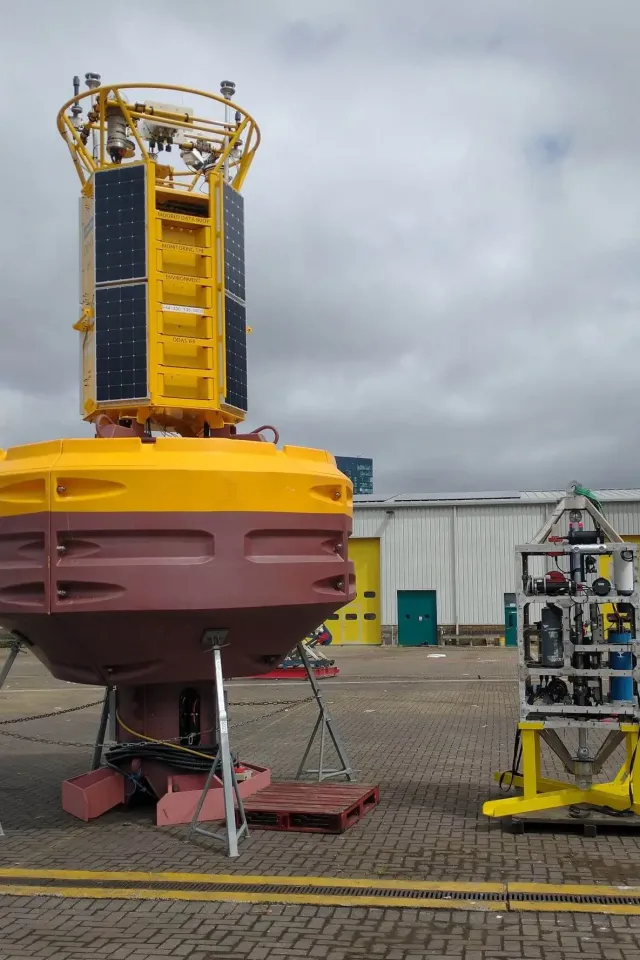
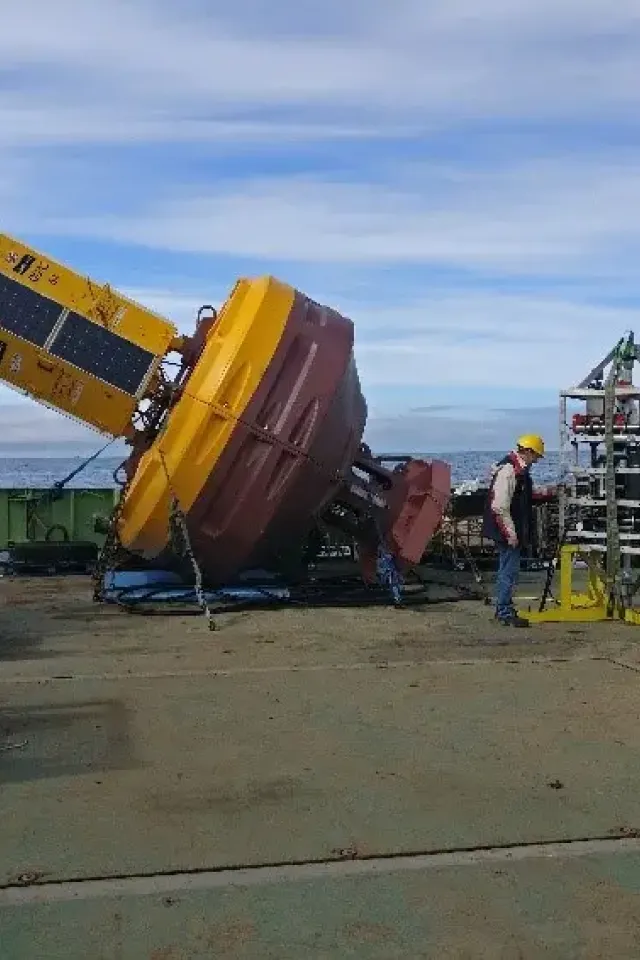
Learn MoreThe Met Office surface ocean ODAS buoy was recovered and replaced whilst also being equipped with NOC biogeochemistry sensors.
6 Argo floats were deployed, contributing towards the wider Argo float global observation strategy.
Learn MoreWhere Did JC247 Take Place?
Over the years, NOC has played a pivotal role in maintaining and working with this historic sustained observatory. This expedition follows many before it in travelling to service the significant site.
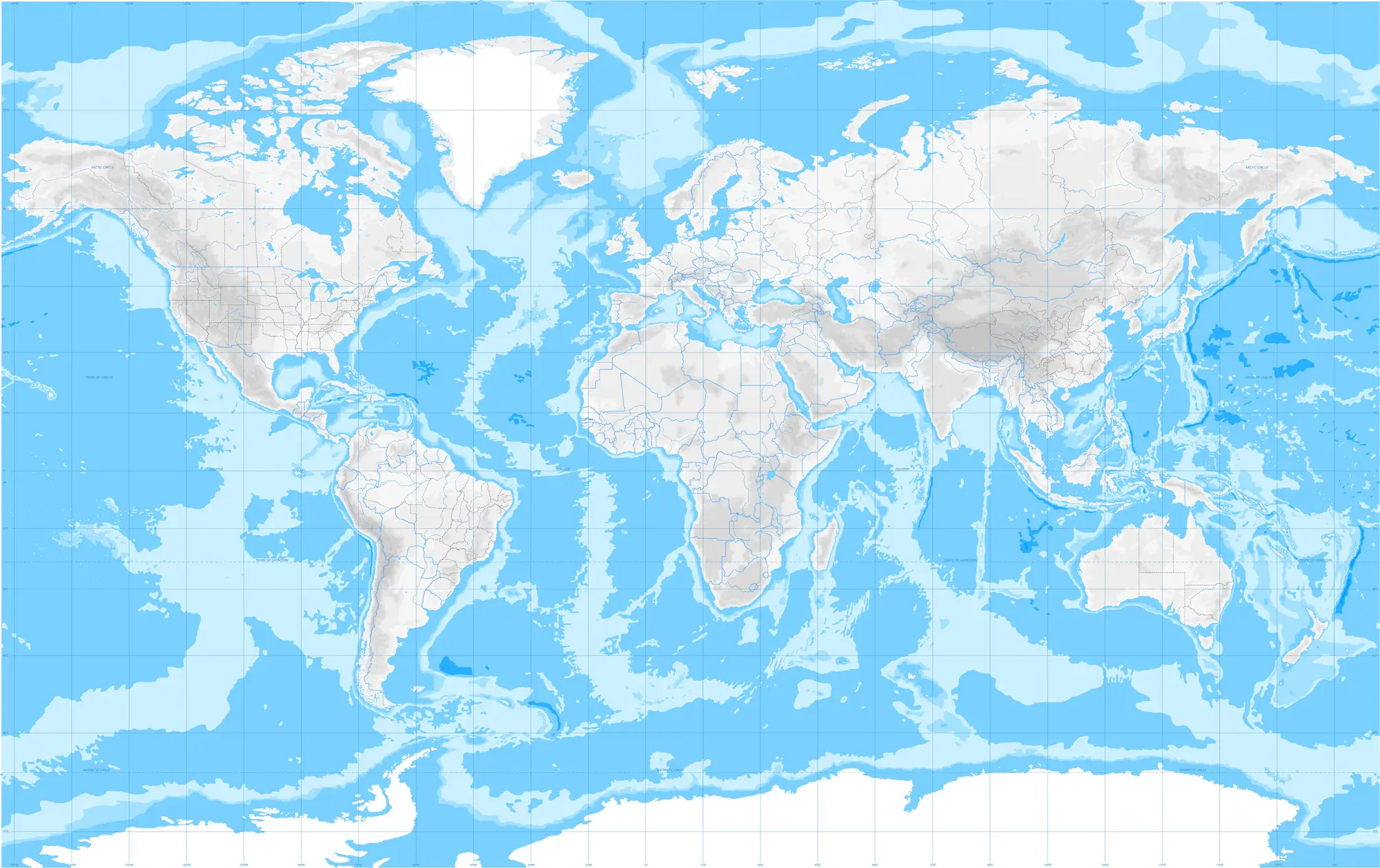
PAP-SO is one of the most remote sites in the North Atlantic - but it’s also one of the most important. Over four decades, it has become one of the world’s longest-running deep-ocean monitoring programmes, offering rare and invaluable insights into life nearly 5,000 m below the surface.
PAP-SO is one of the most remote sites in the North Atlantic - but it’s also one of the most important. Over four decades, it has become one of the world’s longest-running deep-ocean monitoring programmes, offering rare and invaluable insights into life nearly 5,000 m below the surface.
Expedition Gallery
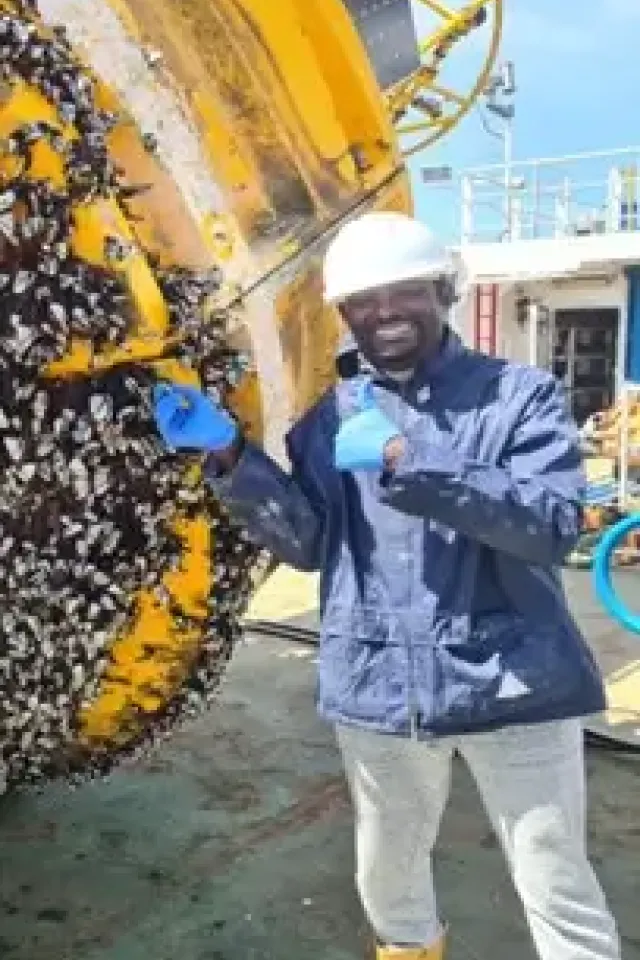
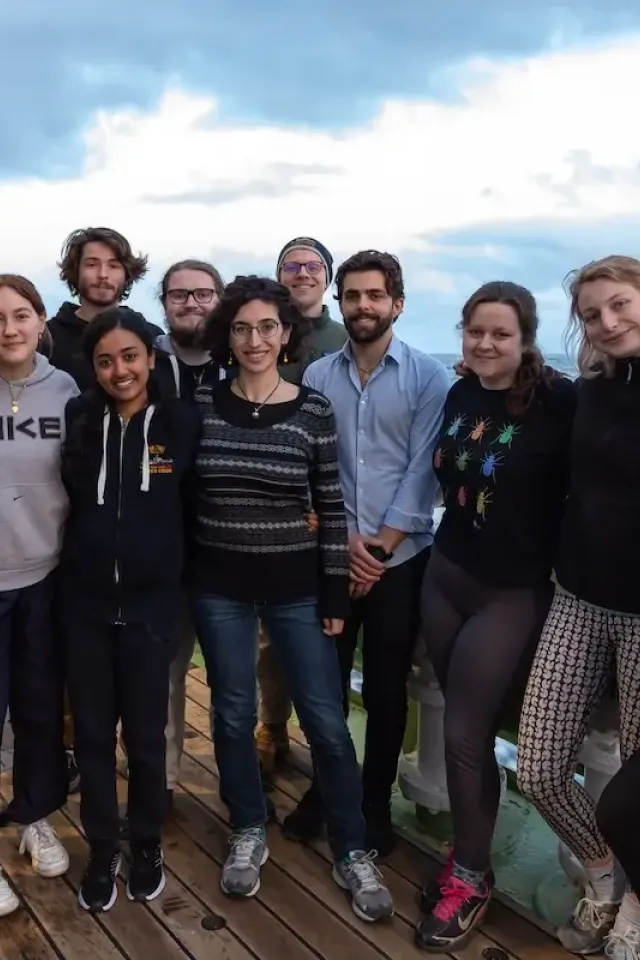
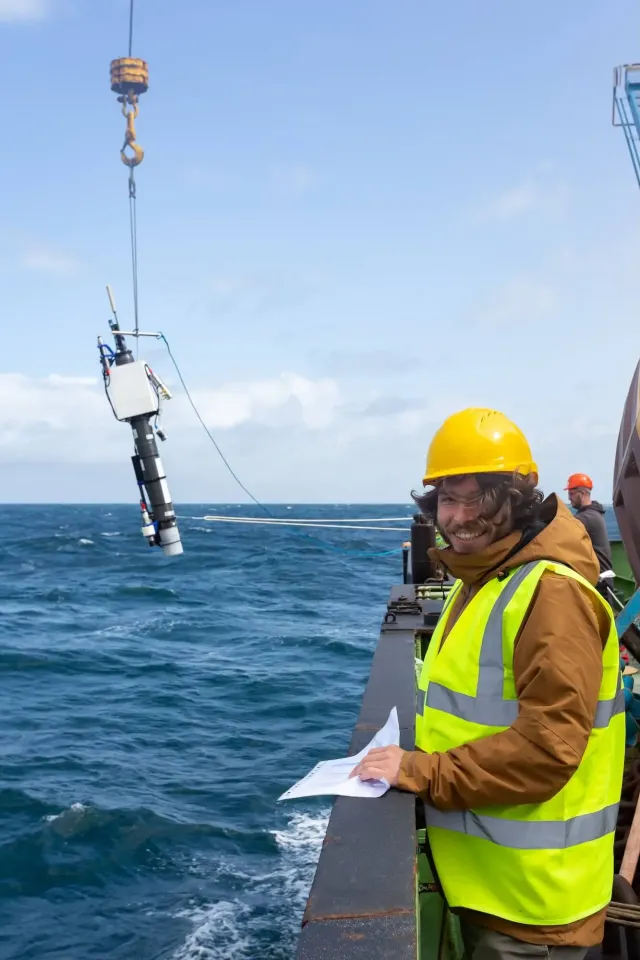
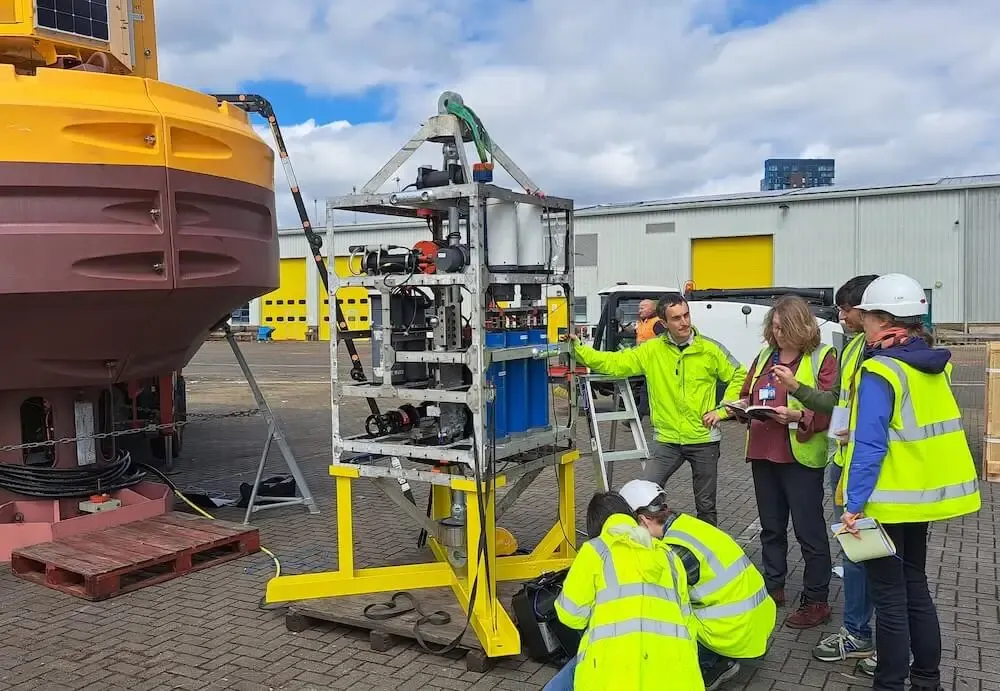
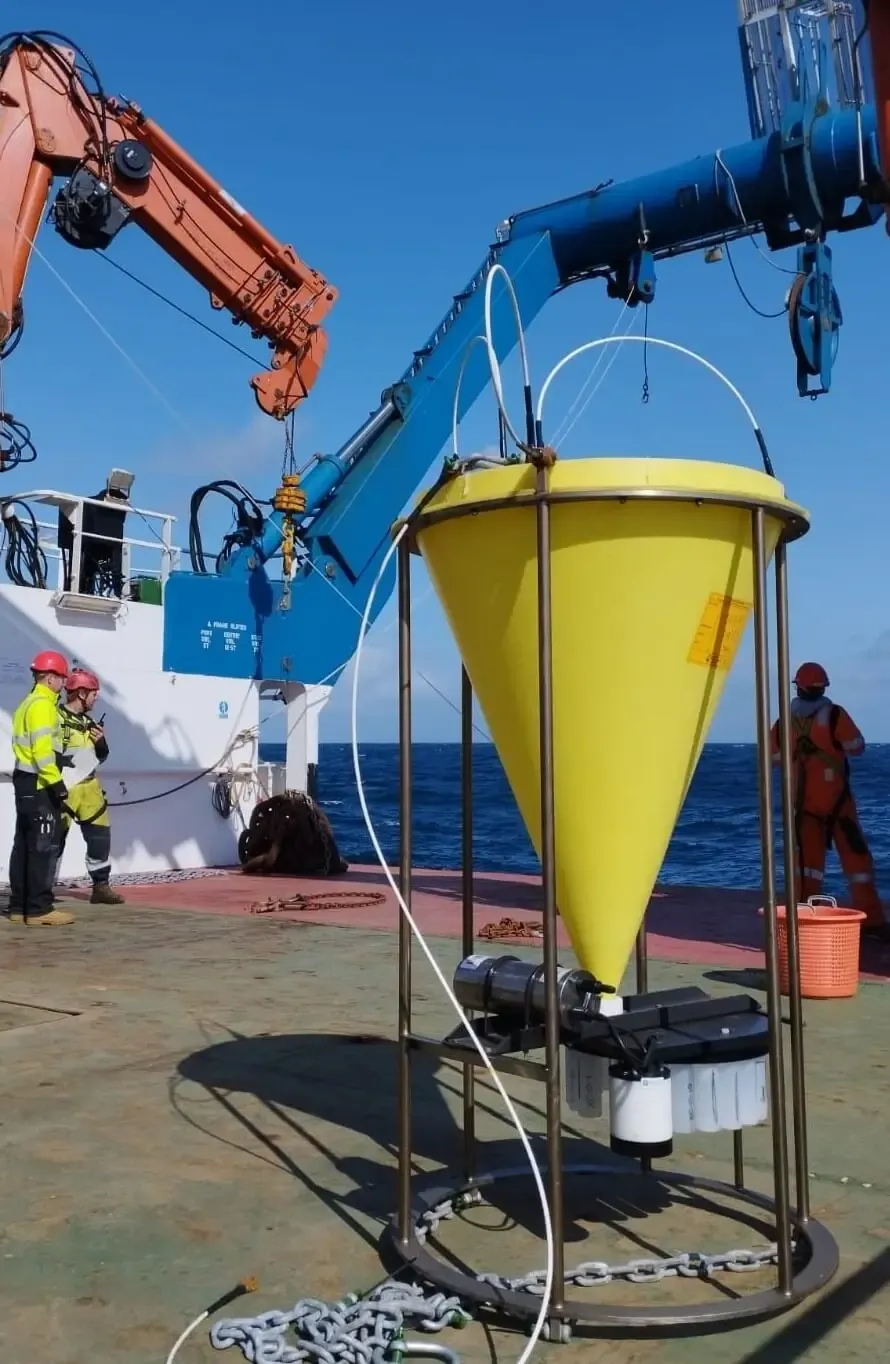
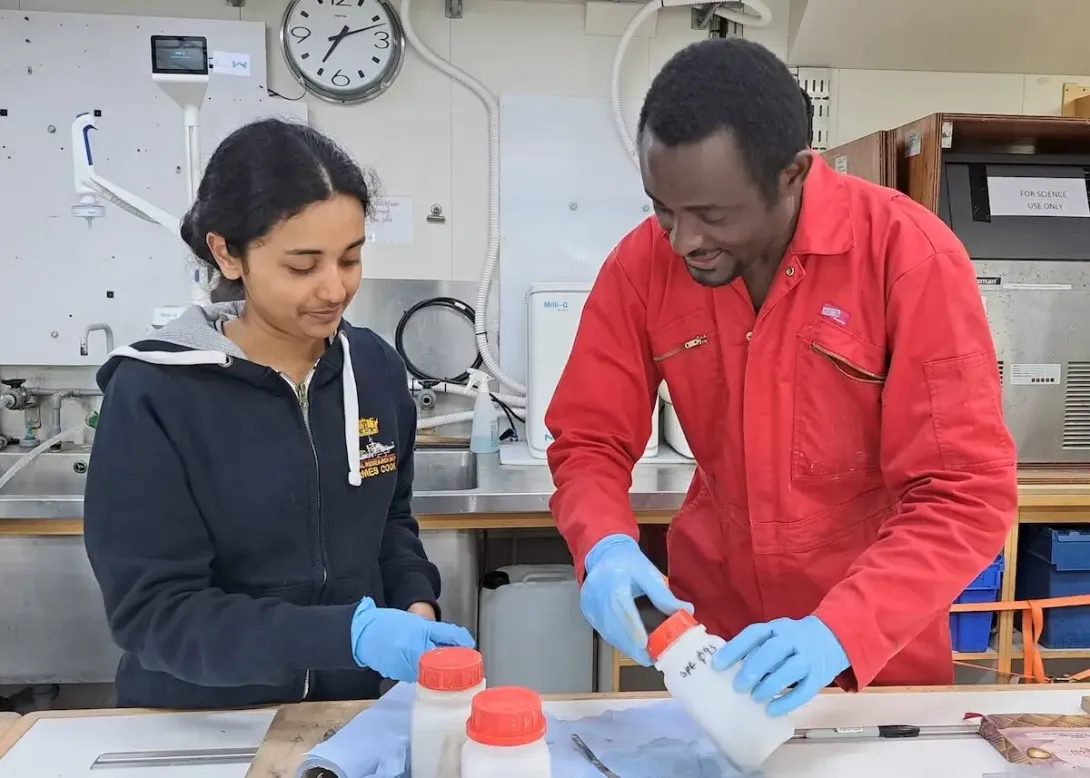
Throughout the expedition, the crew took photos of a range of different activities including technology deployments, specimen collection and day-to-day life.
Dive Deeper: Access the Cruise Report
Via the British Oceanographic Data Centre (BODC), a full cruise report for expeditions are available. This includes information on locations, objectives as well as the data collected.