
A new study has found the saltiness of the ocean could be affecting the climate.
Led by Dr Jeremy Grist at the National Oceanography Centre, researchers have uncovered how changes in ocean salinity could create ripples in the atmosphere and impact weather patterns.
They found that increased freshwater in the subpolar gyre leads to colder sea surface temperatures, lower atmospheric pressure over the eastern North Atlantic and East Asia, and causes more storms and rainfall across parts of Eurasia.
The team, which includes scientists from the University of Southampton, University of Exeter, and the Indian Institute of Technology, have published their findings in the Journal of Climate in a new paper, ‘The impact of a North Atlantic freshwater anomaly on a Eurasian winter climate’.
Dr Grist said: “The results here have established that in a complex climate model, a freshwater anomaly in the subpolar gyre can lead to significant downstream weather impacts on a seasonal timescale.
“This highlights that it is important to have accurate estimates of not just ocean temperature, but also ocean salinity when initiating coupled seasonal forecasts.
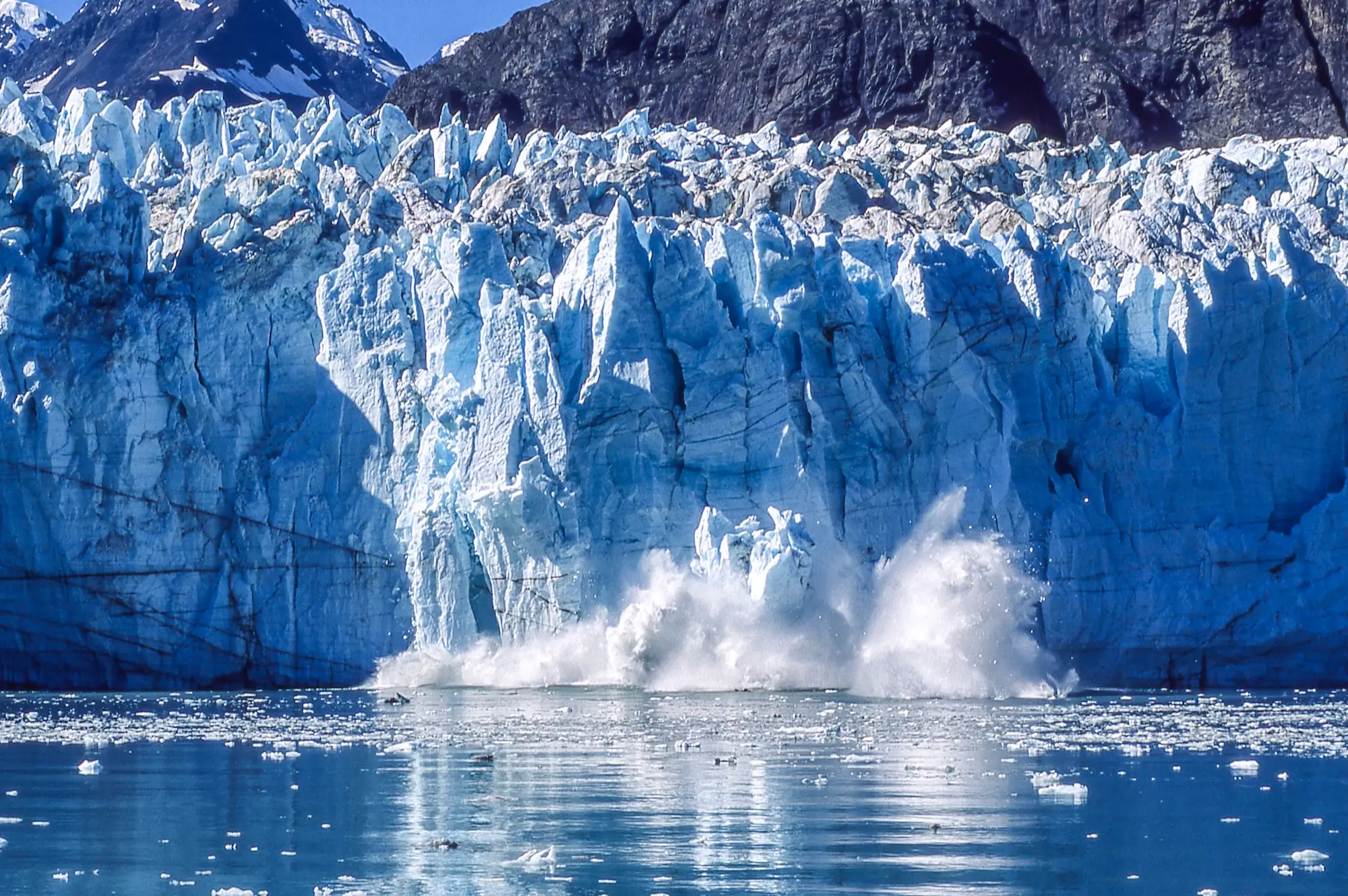
“The results are also particularly relevant as, in the future, melting of Arctic Sea-ice or the Greenland Ice Sheet could lead to large salinity reductions in the subpolar gyre.”
The study, funded by UKRI project ArctiConnect, tested the theory in experiments conducted using a version of the UK’s climate model, which involved artificially imposing a large autumn reduction in salinity to the subpolar gyre at the start of a six-month model simulation. This enabled the team to clearly identify the chain of events that resulted from this North Atlantic freshwater anomaly.
The paper can be read here: https://doi.org/10.1175/JCLI-D-24-0669.1
Be part of the community helping our ocean thrive.