

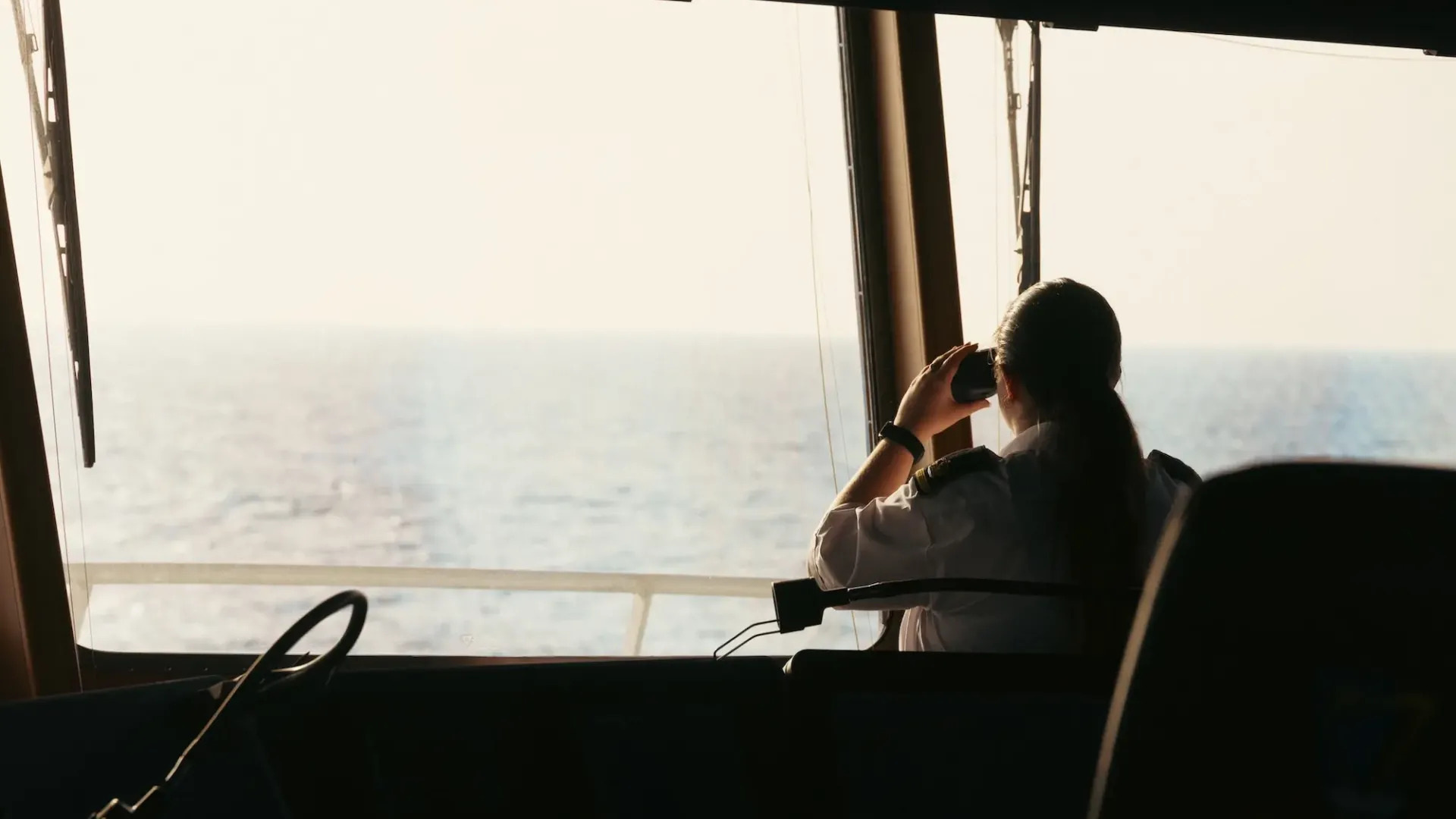
Sea-Going Storytelling
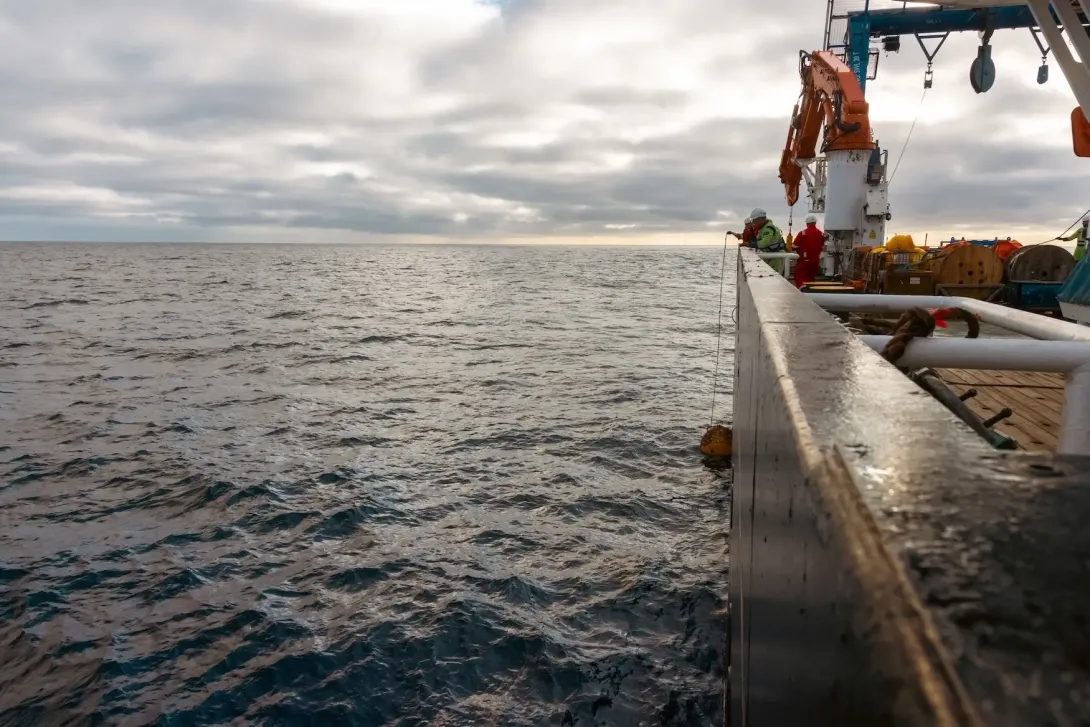
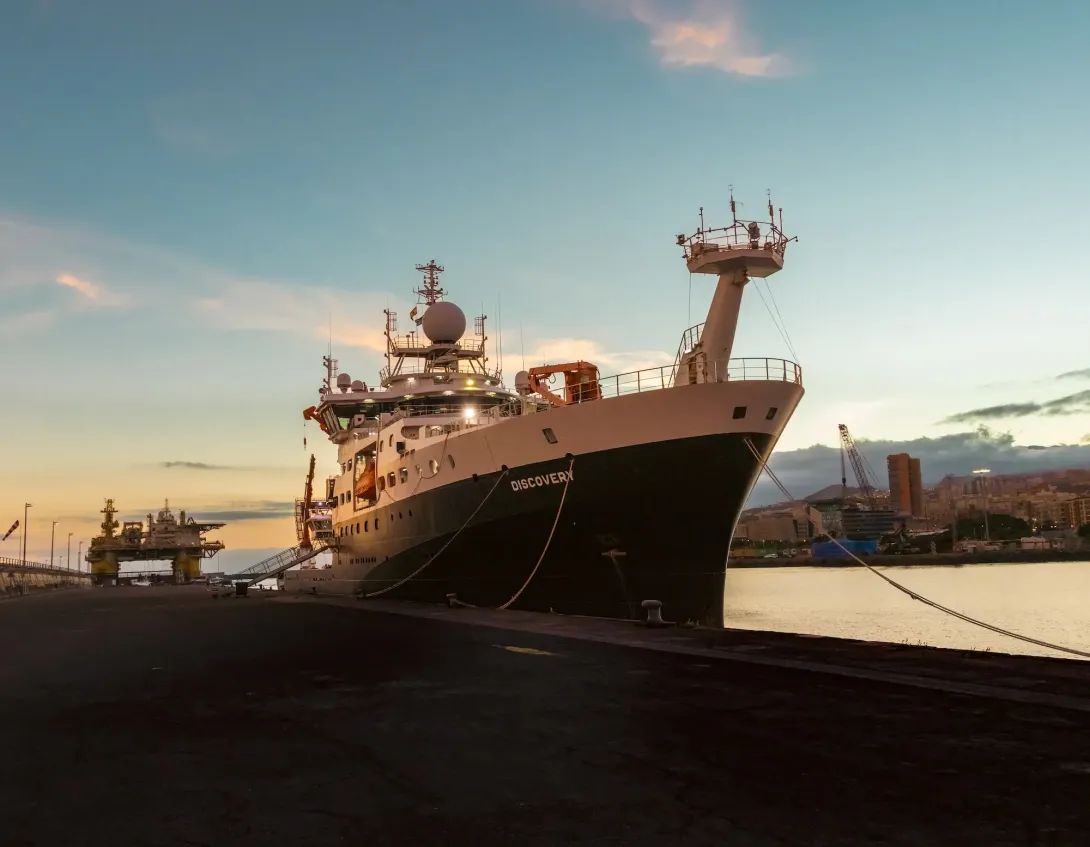
In February 2026, DY204 set out to continue to monitor the Atlantic Meridional Overturning Circulation (AMOC), one of the ocean's most important climate systems. Onboard RRS Discovery alongside the experts were journalist from leading media outlets telling the story of these vital observations.
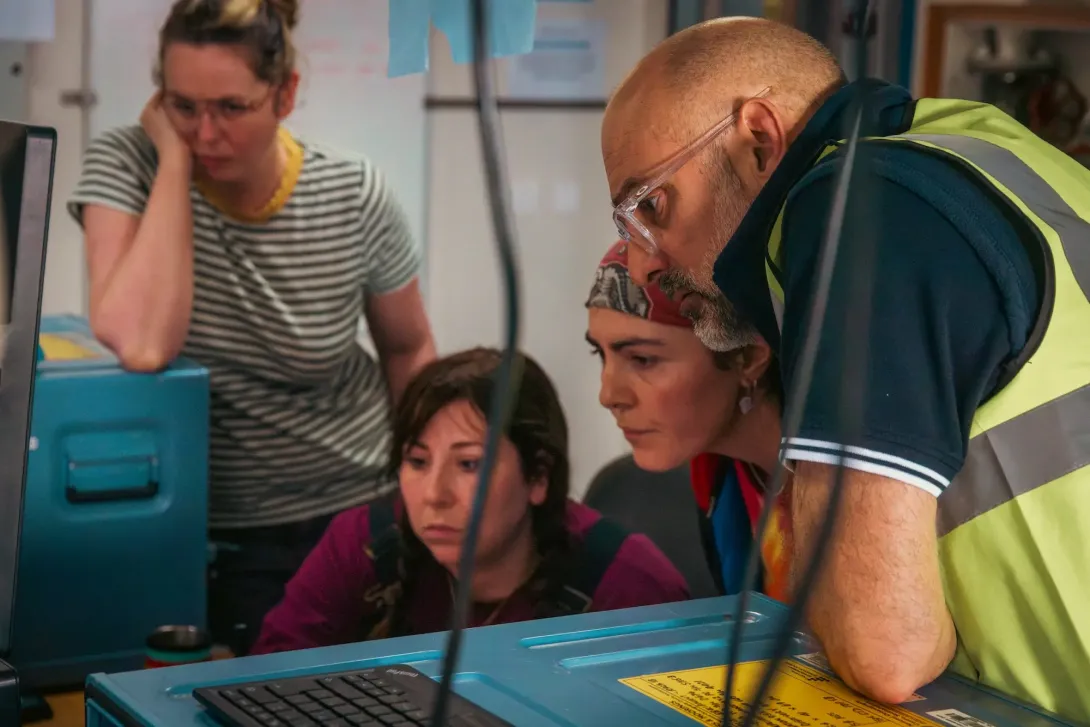
In order to effectively communicate the importance of the RAPID long-term monitoring programme and the current uncertainty surrounding the AMOC, NOC invited journalists to join the team in order to get a first-hand experience on what it's like to take part in a research expedition, meet the experts behind the research, and to authentically tell the story of the work being carried out.
Which Media Outlets Were Onboard?
Channel 4 News, a prime time UK broadcaster, joined DY204. The team's daily broadcast deadlines were combined with additional articles and social media posts published while at sea. Alex Thomson, Chief Correspondent of Channel 4 News, and one other member of crew spent the duration of the expedition onboard.
Learn MoreRespected scientific journal Science Magazine were also onboard RRS Discovery during DY204. Journalist Paul Voosen took part, and focused on developing a long-read article focused on evidence collected by observing and talking to the scientists and researchers onboard.
Learn More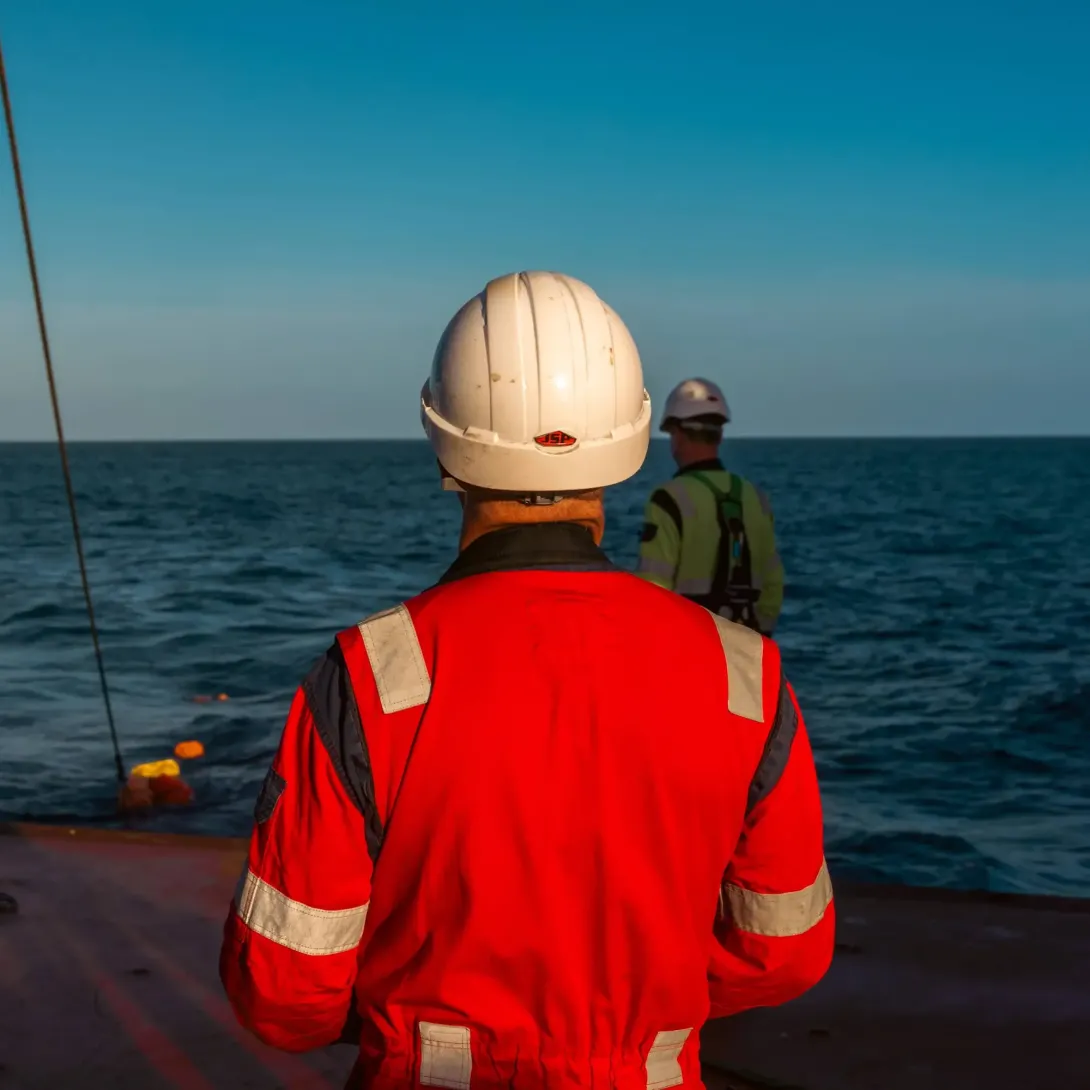
Evidence Based Long Read Article
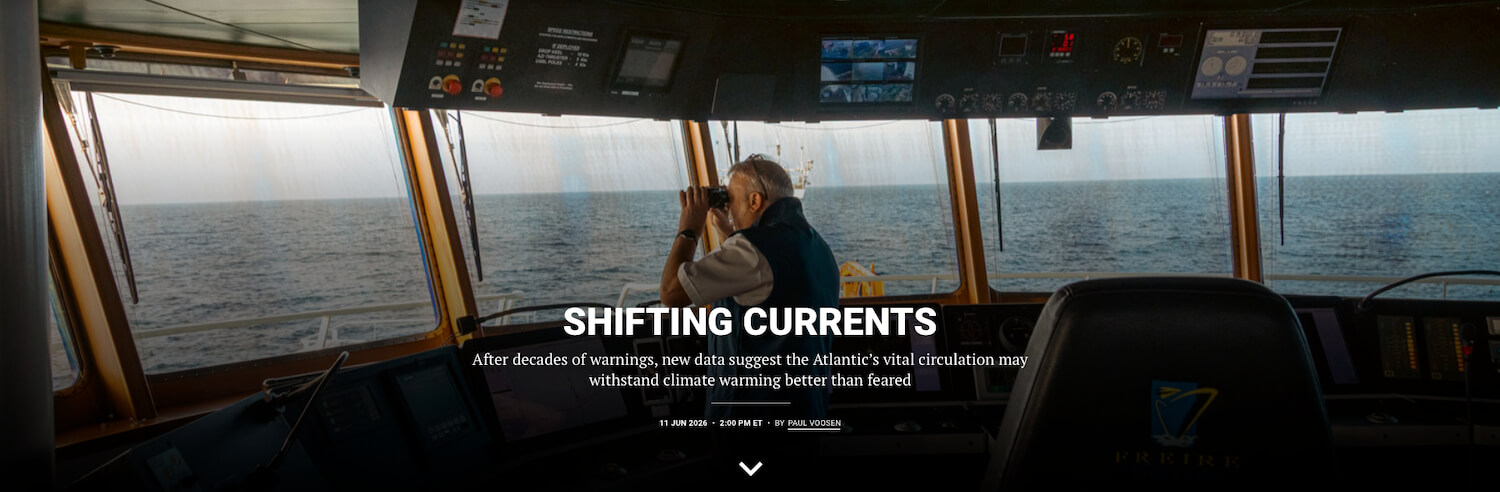
The article written by Science Magazine tells the story of DY204 from the perspective of being onboard RRS Discovery during the expedition. It features interviews with key figures on the expedition, including Chief Scientist, Dr Ben Moat, as well as footage and photography from across the ship.
More importantly, the article explores the current state of the AMOC using the evidence gathered during the expedition, as well as expertise from scientists and researchers. The evidence points towards the AMOC being more resilient to climate change than some earlier studies and models indicated, concluding that while the evidence does not suggest it isn't unaffected by climate change, there are several mechanisms within the ocean that may help maintain the AMOC's circulation and combat weakening.
Channel 4 News Coverage
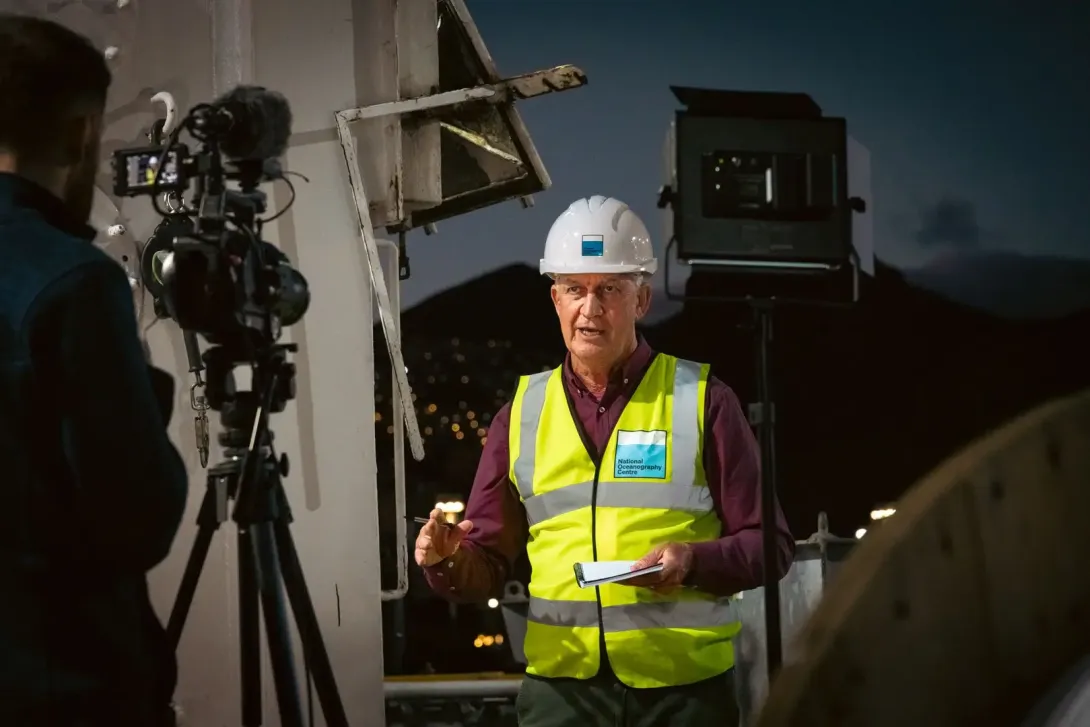
The content produced by Channel 4, via news packages, live broadcasts and social posts, told a complete story. Across the 8 days at sea, Alex Thomson set the scene by explaining how the AMOC works, shadowed researchers as they deployed equipment and carried out modelling, and addressed some of the key challenges posed by climate change.

Discover the Ocean: The Atlantic Meridional Overturning Circulation
We are connected by one ocean, moving water, heat, nutrients, dissolved gasses, and microscopic life around Earth through ocean currents. The AMOC is a complex system of ocean currents forming a huge vertical loop spanning the whole length of the Atlantic Ocean.