

COP31: Ocean science at the heart of climate action
The National Oceanography Centre (NOC) will join leading organisations from across the international ocean community at the Ocean Pavilion during COP31 in Antalya, Türkiye, from 9-20 November 2026.
From rising sea levels and extreme weather to the future of coastal communities, many of the world's biggest climate challenges are closely linked to the ocean. COP31 brings together decision-makers, scientists and industry leaders to discuss solutions.
NOC at COP31
For decades, NOC has delivered the science, technology and ocean observations that improve understanding of our changing ocean and its role in the Earth system. At COP31, our experts will share the latest evidence on ocean-climate interactions, helping to inform solutions for climate adaptation, mitigation and ocean sustainability.
This year NOC experts will contribute to discussions on:
- Turning science, data and technology into real-world impact
- Carbon removal
- Ocean-based climate technologies
- The importance of industry partnerships
Meet our COP31 experts
At COP31, NOC experts will share insights from research, technology and innovation programmes that help governments, businesses and communities better understand and respond to a changing climate.
We welcome opportunities to connect with fellow COP31 participants. To arrange a meeting with one of our experts, please contact media@noc.ac.uk. Please note that NOC is unable to facilitate registration or accreditation.
Professor Chris Hewitt
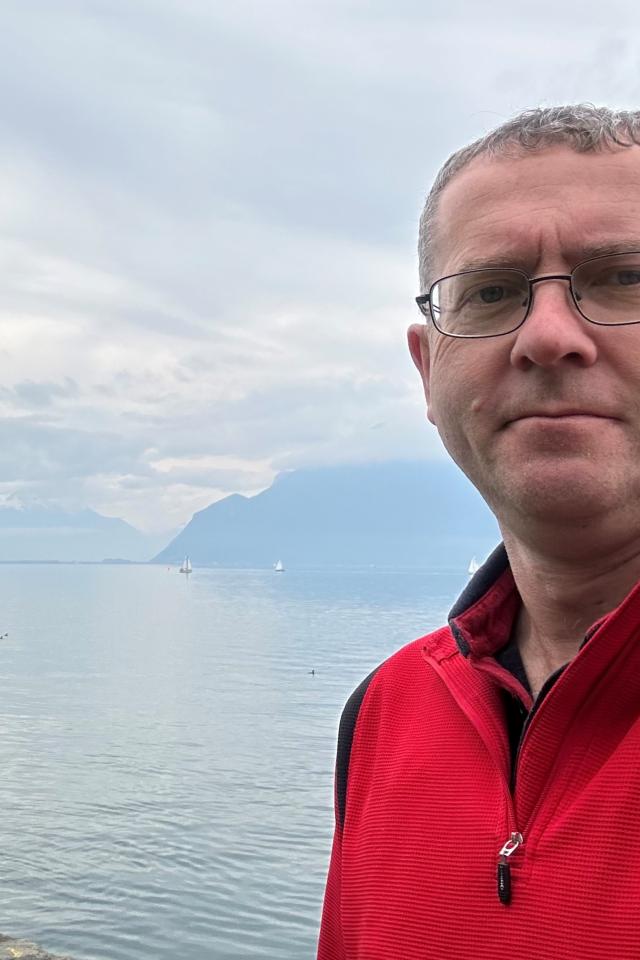
Climate Mission Lead, bringing international expertise in climate services and resilience to help inform climate action.
Side event details coming soon.
Professor Chris Pearce
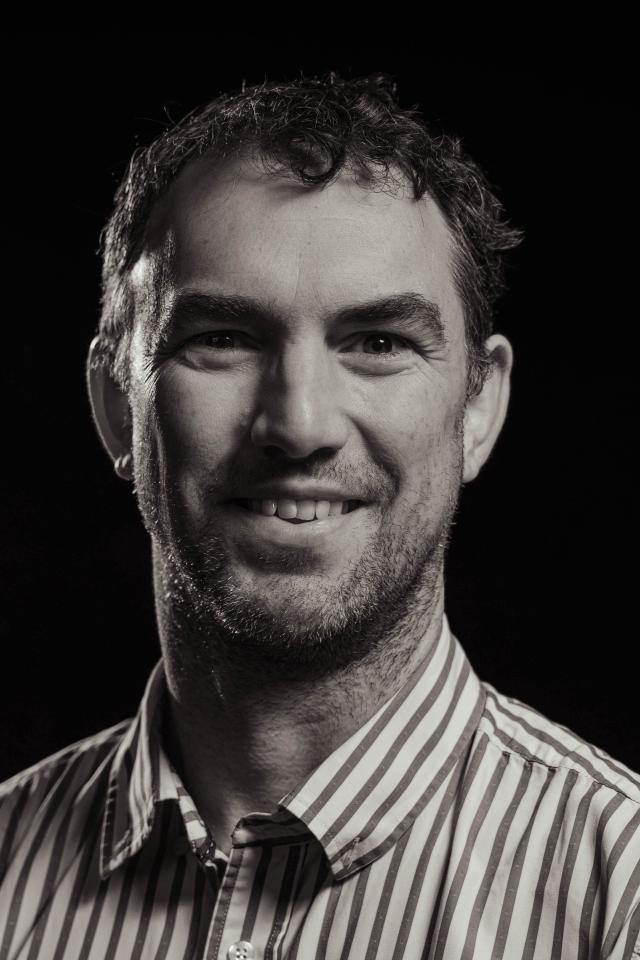
Marine biogeochemist specialising in carbon dioxide removal and ocean-based climate solutions.
17th November: 10:15-11:05. Ocean Pavilion.
Navigating Ocean-based Technologies: The 2026 Climate Technology Progress Report (CTPR).
Organised by NOC/UNEP-CCC
17th November: 15:00-16:00. Finnish Pavilion.
Why the ocean holds the key to carbon removal, and how science can help it do more.
Organised by Oceanry.
Philip Bishop

Leads partnerships and delivery activities that connect NOC science, technology and innovation with industry and society.
Side event coming soon.
Claire Monkhouse

Partnerships specialist focused on climate resilience, sustainability and building collaborations that turn ocean science into action.
Side event details coming soon.
Why COP31 matters
COP31 is the 31st United Nations Climate Change Conference, bringing together governments, organisations and experts from around the world to accelerate action on climate change.
The Ocean Pavilion’s theme, ‘Convergence’, reflects a crucial moment for connecting global action across climate, biodiversity and ocean governance. As nations prepare for increasing climate impacts, COP31 provides an opportunity to align science, policy and finance behind practical solutions.
The Antalya Ocean Declaration, brings together organisations across science, policy, philanthropy and industry to champion stronger ocean action within the global climate agenda. Ocean Pavilion partners are supporting the declaration, which calls for stronger international collaboration to:
- Ensure science informs policy
- Mobilise finance for ocean-climate solutions
- Accelerate action towards a healthy ocean and stable climate
- Build a resilient future for communities worldwide
Why the ocean matters for climate
The ocean plays a critical role in regulating our climate, absorbing heat and carbon while supporting billions of people around the world. As climate change accelerates, understanding and protecting the ocean has never been more important.
of global carbon dioxide emissions are absorbed by the ocean
of excess heat from global warming is absorbed by the ocean
of the world’s population live near coastlines, making them vulnerable to rising seas, extreme weather and ocean change
people rely on the ocean for their livelihoods and food security
What to Expect at the Ocean Pavilion?
The Ocean Pavilion will feature a packed programme of more than 65 events, including:
- Expert panel discussions
- Keynote presentations
- Roundtable conversations
- Interactive multimedia exhibitions
- Networking opportunities
- Informal sessions with leading ocean scientists
Visitors will be able to hear directly from researchers, policymakers and innovators working to advance ocean and climate solutions around the world.
COP31 at a glance
Parties and countries expected to contribute to negotiations.
Expected participants including policymakers, scientists and business leaders.
Days of global climate negotiations.
Priority action agenda themes including Ocean & Seas.
About the Ocean Pavilion
The Ocean Pavilion is led by the Woods Hole Oceanographic Institution and Scripps Institution of Oceanography, supported by a global network of science, philanthropic, policy and industry partners, including NOC.
Visit all partners on the Ocean Pavilion website: https://oceanpavilion-cop.org/
NOC takes deep-sea expertise to global biodiversity talks
Ahead of COP31, NOC experts will attend the Convention on Biological Diversity Conference of the Parties (CBD COP17) in Armenia, contributing expertise on marine biodiversity protection and deep-sea conservation. On 19 October, NOC will host a side event, Science for Deep Sea Marine Protected Areas: Supporting 30x30, exploring how science can support global ambitions to protect 30% of the ocean by 2030.
Related ocean and climate resources
Media enquiries
For interview requests, media enquiries or to arrange meetings with NOC experts at COP31, contact media@noc.ac.uk
Latest from COP31
During COP31 we'll be publishing:
- Event updates
- Expert blogs
- News stories
- Videos
- Interviews
- Social media highlights
Bookmark this page and follow NOC's COP31 journey as we bring ocean science to the heart of global climate discussions.