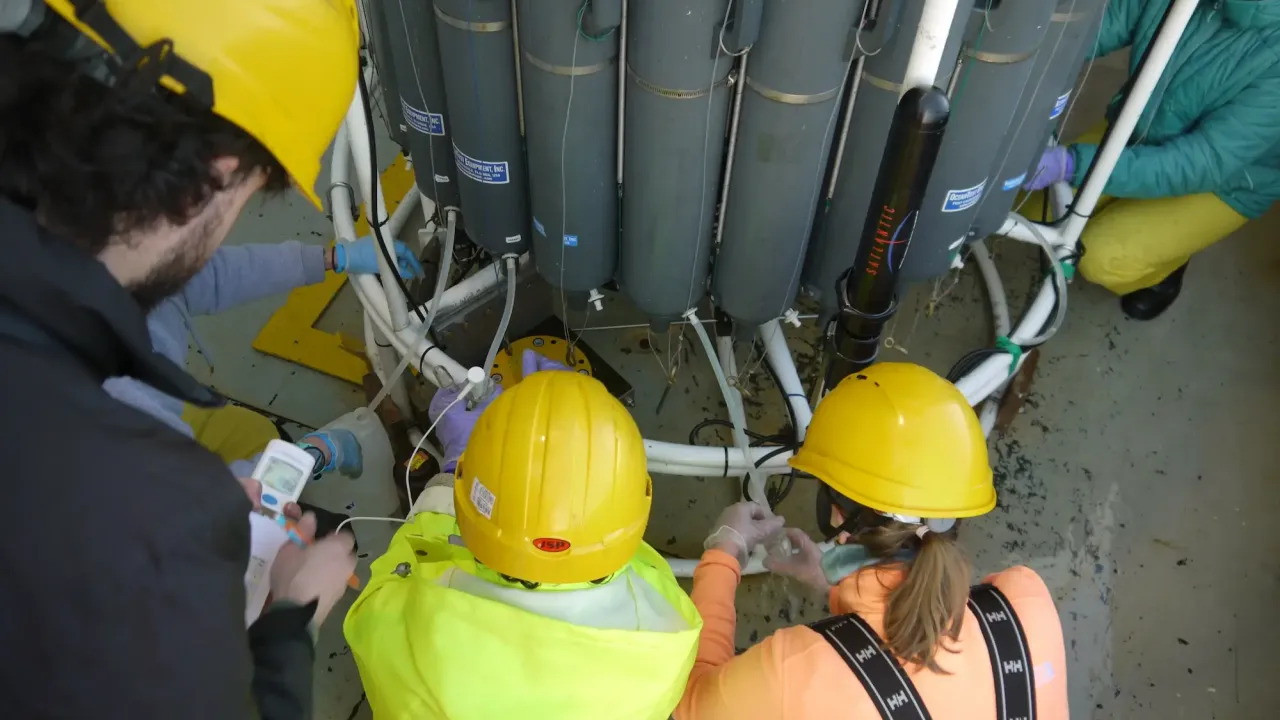

Marine ecotoxicology is the study of identifying exposure of marine organisms to pollutants, such as metals, and measuring changes to the organism's physiology, so called biomarker endpoints, which need to be optimised for deep-sea organisms, a vital process if we are to fully understand the impact of deep-sea mining.
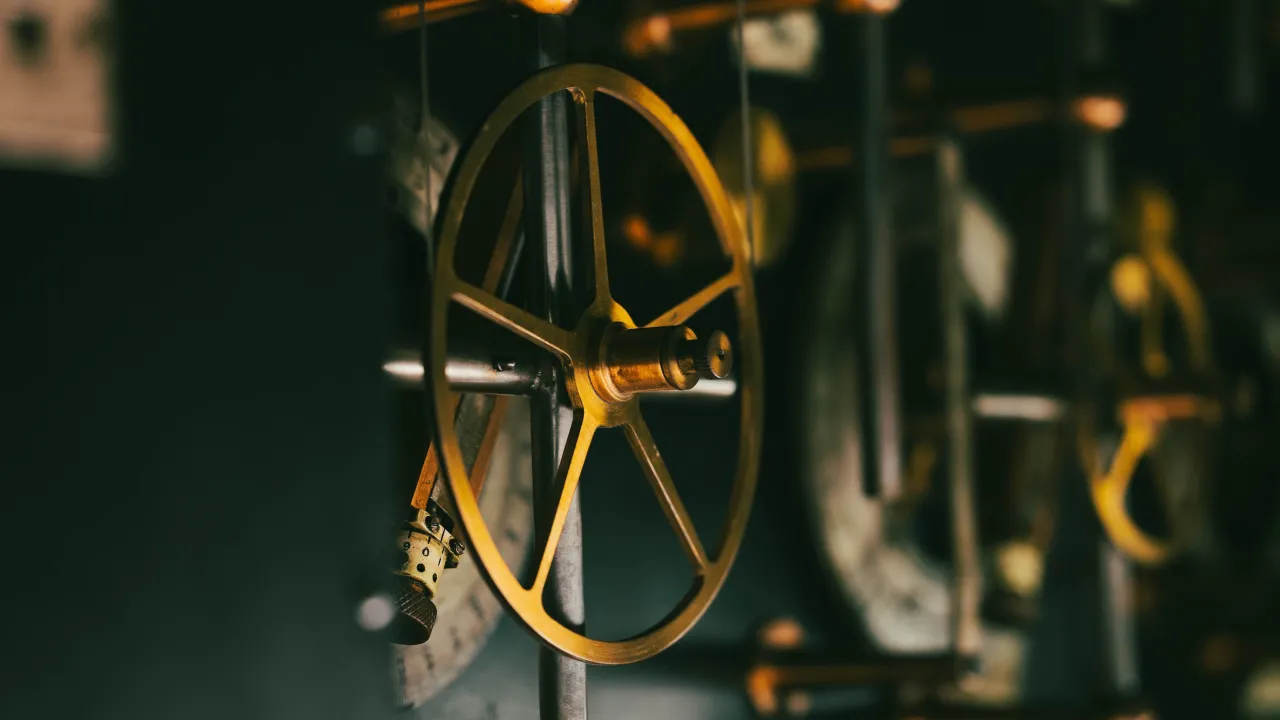
DNA damage, expressed as strand breaks using the Comet assay, is one such biomarker. The Comet assay requires a horizontal electrophoresis step in which small DNA fragments migrate through a gel mounted on a microscope slide which need to be covered by a special buffer solution while the electrophoresis is running. As the ship is rocking to and fro as it moves through the water, the buffer solution will slosh backwards and forwards repeatedly uncovering the slides and interfering with the electrophoresis process. Robert Rennie our workshop engineer in the Institute for Life and Earth Sciences at Heriot-Watt University, designed and built a gimbal table to stabilise the movement of the buffer solution and cancelling out the ship's movements.
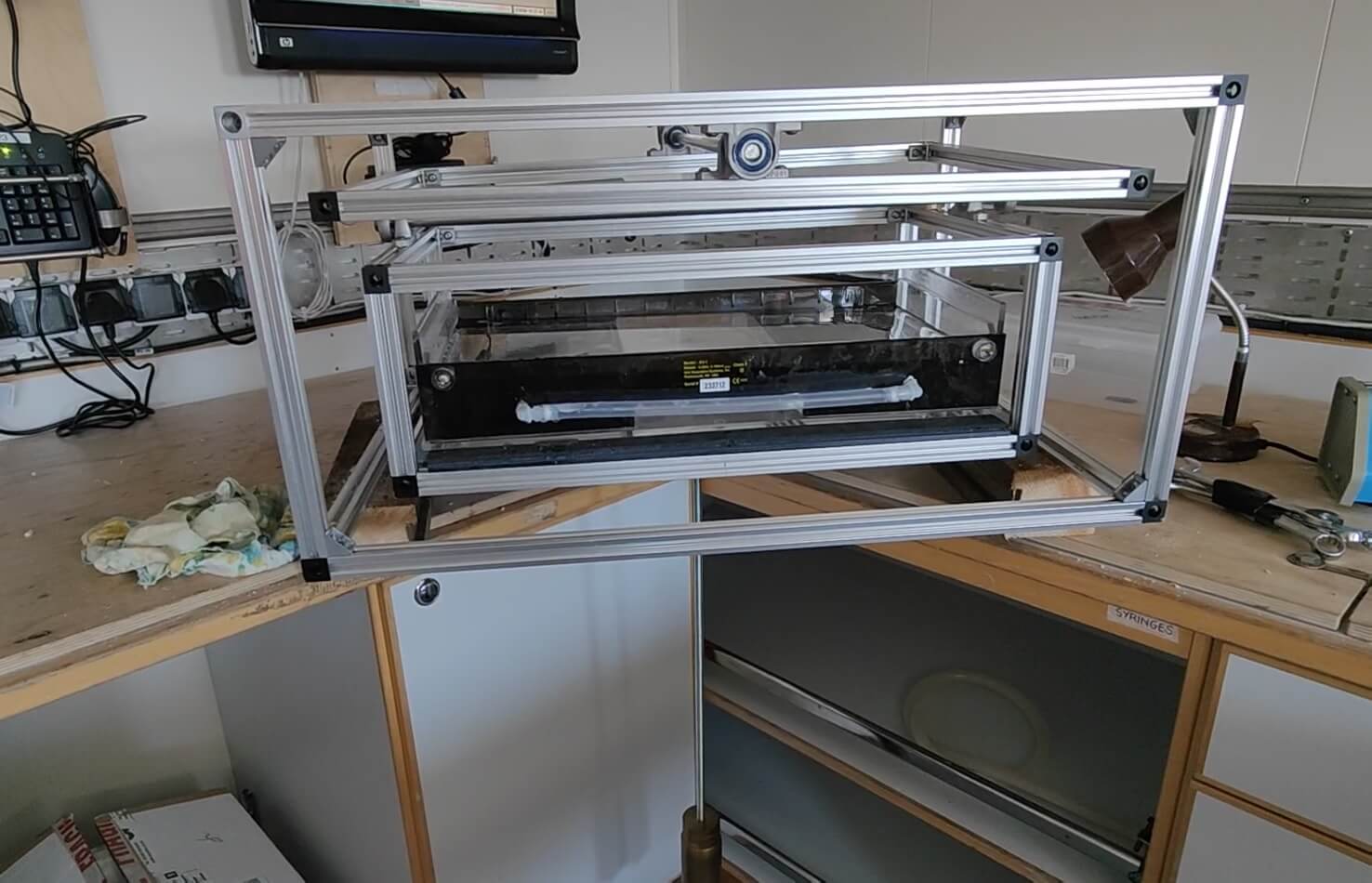
This will allow us to prepare fish blood and gill samples for the Comet assay at sea without having to freeze them. The freezing process introduces artefacts that increase the background level of strand breaks and greatly decreases the sensitivity of the assay. On day 3 of the first SMARTEX cruise (JC241), we have successfully tested the custom design. We are now ready for our first samples.
Be part of the community helping our ocean thrive.