
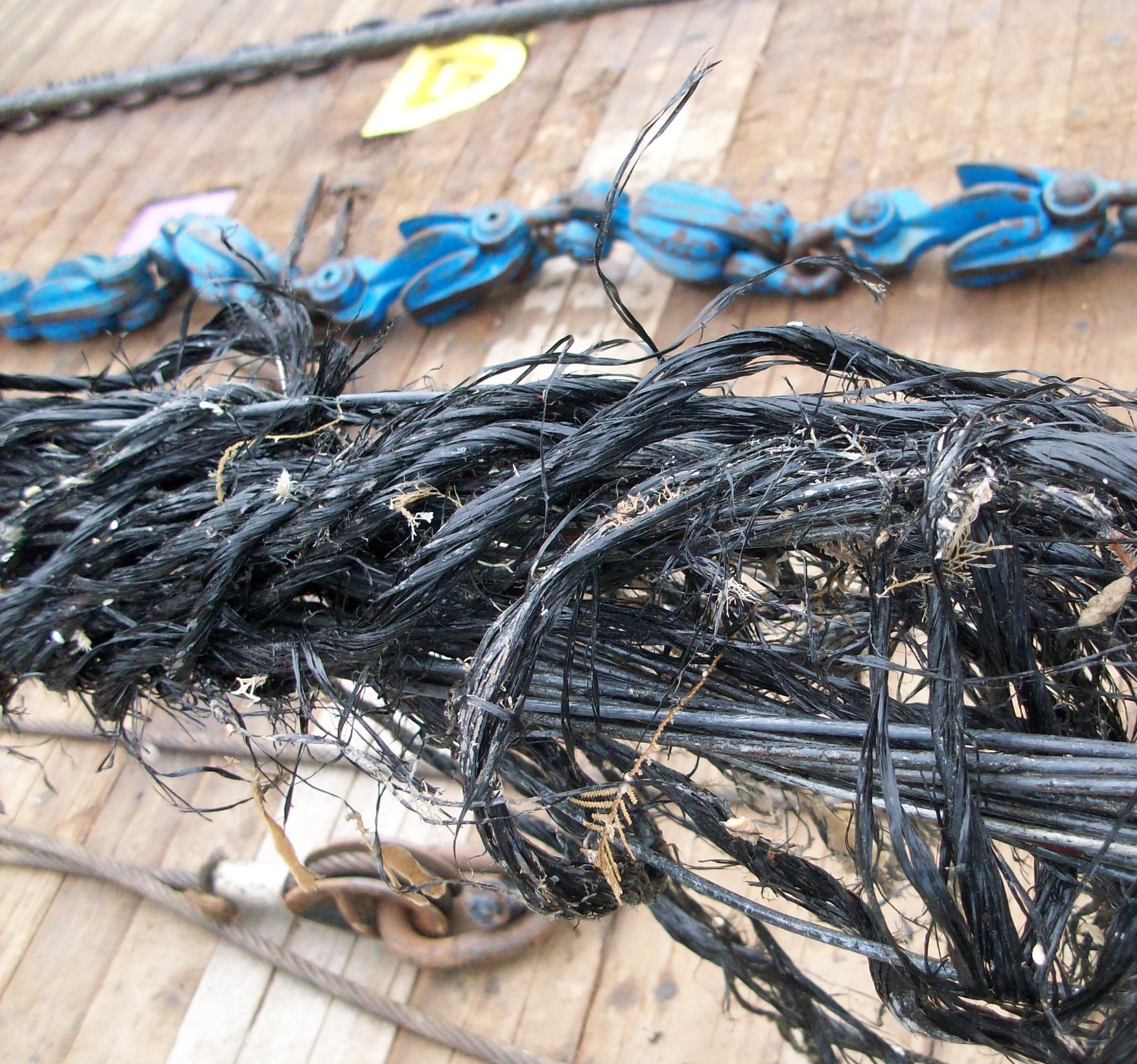
From online banking and video calls to international communications, everyday life relies on a vast network of cables hidden beneath the sea. But climate change could create new threats to the underwater cables that keep the world connected, according to new research involving scientists at the National Oceanography Centre (NOC).
Published in the journal Climate Risk Management, the study reveals a warming ocean could indirectly affect critical digital infrastructure by changing where fish live and where fishing activity takes place.
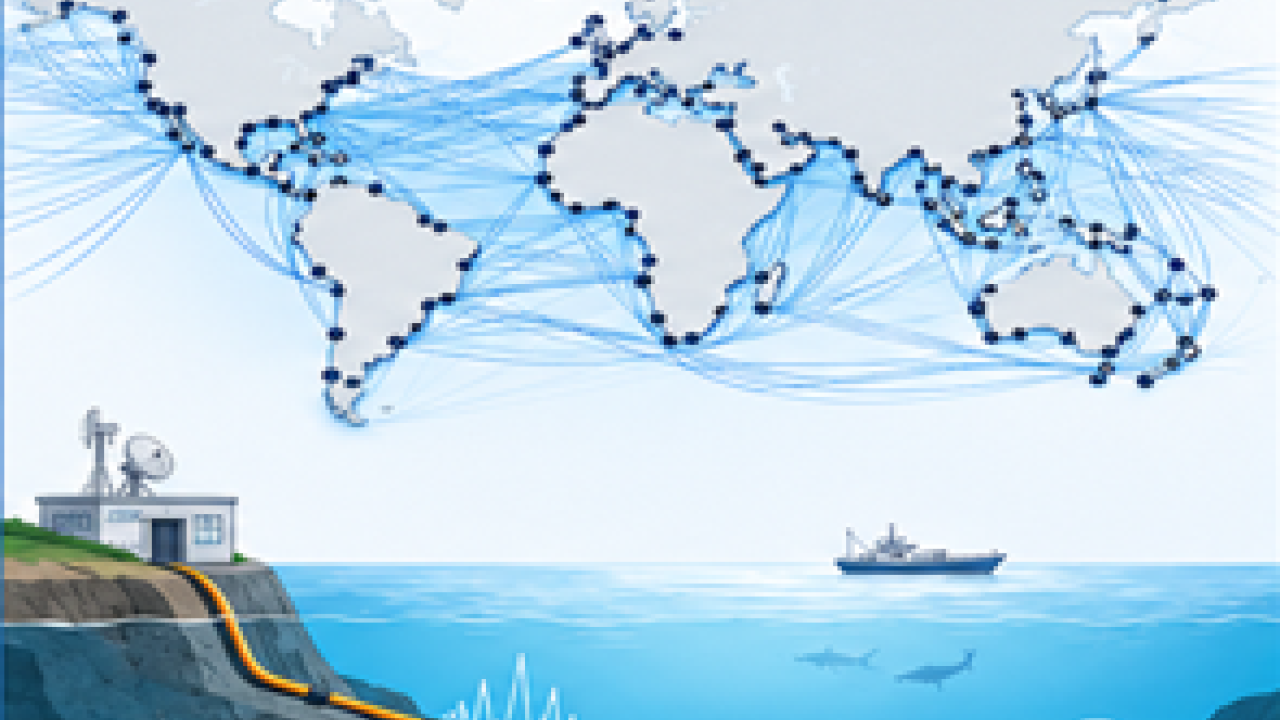
Subsea telecommunications cables carry vast amounts of international internet traffic, supporting everything from communications to financial transactions. While they are already vulnerable to accidental damage from fishing activity, the new research suggests climate-driven shifts in fishing patterns could reshape where these risks occur in the future.
Fishing is already a leading cause of accidental damage to subsea cables. As climate change shifts fishing activity, we show that new hazard hotspots could emerge along cables laid where these interactions were previously uncommon. Understanding where those threats are moving provides a chance to adapt cable routes and protection before damage occurs.
Dr Mike Clare, strategic research lead for hazards and pollution at NOC
The study is the first global assessment to combine projections of future fishing activity with existing subsea cable routes. It found that under future climate change scenarios, around 34,600 kilometres of existing subsea cable could become newly exposed to trawling activities by 2100. At the same time, trawling activity could increase along a further 157,000 kilometres of cable routes.
While exposure to fishing activity may decrease across some parts of the world's cable network, new hotspots of potential risk could emerge elsewhere, particularly in parts of the North Atlantic and western to north-western Pacific.
This means that areas considered relatively low risk today could face greater challenges in the future as changing ocean conditions influence where fishing fleets operate.
Climate change can affect ocean industries through connections we might easily overlook. Changing ocean conditions influence fish populations, which affect fishing activity and, in turn, the infrastructure that carries our communications. Understanding these cascading effects requires ocean scientists and industries to work together, anticipating consequences that would be difficult to identify by looking at any one sector alone.
Dr Katya Popova, a senior research fellow at NOC
The findings highlight the need to look beyond historical patterns when planning and protecting critical infrastructure.
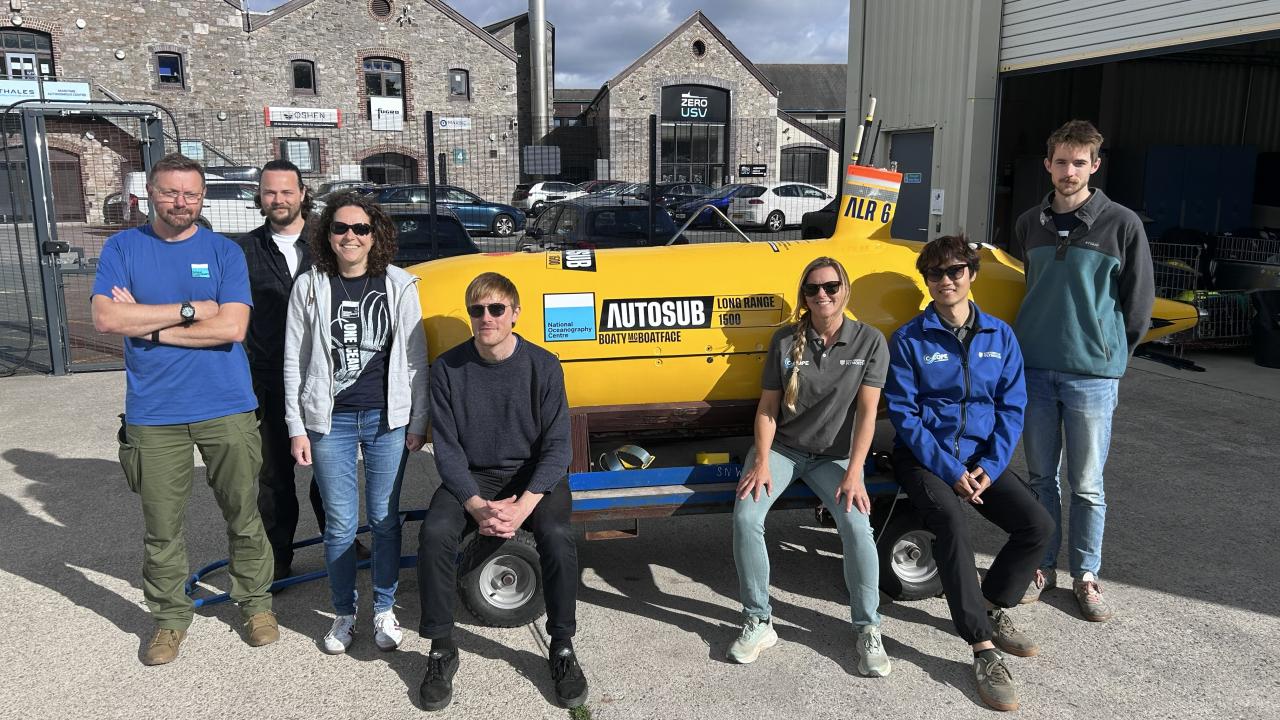
The research brings together ocean scientists from the UK and New Zealand and cable-industry specialists, including OceanIQ and Ambrey. The study concludes that regular risk assessments, targeted cable protection measures and greater cooperation between cable operators, governments, marine managers and fishing communities can help reduce future risks.
The implications are particularly important for islands and remote communities.
For a small island with only one or two subsea connections, a single cable break can disrupt banking, education, healthcare and contact with family overseas. We need to understand how threats are changing around these islands so that investment in connectivity delivers reliable connections for the communities that depend on them. This is a key part of our ongoing research in collaboration with partners in the South Pacific.
Dr Isobel Yeo, senior research geoscientist at NOC
As the ocean continues to change, the researchers say adapting to climate change will involve not only protecting coastlines and ecosystems, but also safeguarding the infrastructure that keeps people, businesses and nations connected.
Read the article here: https://www.sciencedirect.com/science/article/pii/S2212096326001300
Clare, M.A., Yeo, I.A., Jacobs, Z., Loveridge, A., Christie, J., Popova, E., Ryan-Keogh, T., Watson, S., Ribó, M., Gill, B. and West, M., 2026. Climate-driven changes in fishing activity reshape threats to subsea cables. Climate Risk Management, p.100917.
Funding Acknowledgements
This research was funded from the Natural Environment Research Council (NE/R015953/1, NE/Y005589/1), ARIA grant SCOP-PR01-P019, and the team extends its gratitude to the Governments of India, Australia, and the United Kingdom, and to the European Union, for their financial support through the Coalition for Disaster Resilient Infrastructure's Infrastructure Resilience Accelerator Fund (CDRI IRAF) in relation to the SP-SCATR project. This work was also supported by the International Cable Protection Committee.
Be part of the community helping our ocean thrive.