
New research led by the National Oceanography Centre (NOC) finds that the world's strongest seasonal upwelling system, off the coast of Somalia, is projected to decline sharply due to climate change. International fishing fleets are likely to be hit hardest due to the species they target, while coastal communities may be spared the same fate.
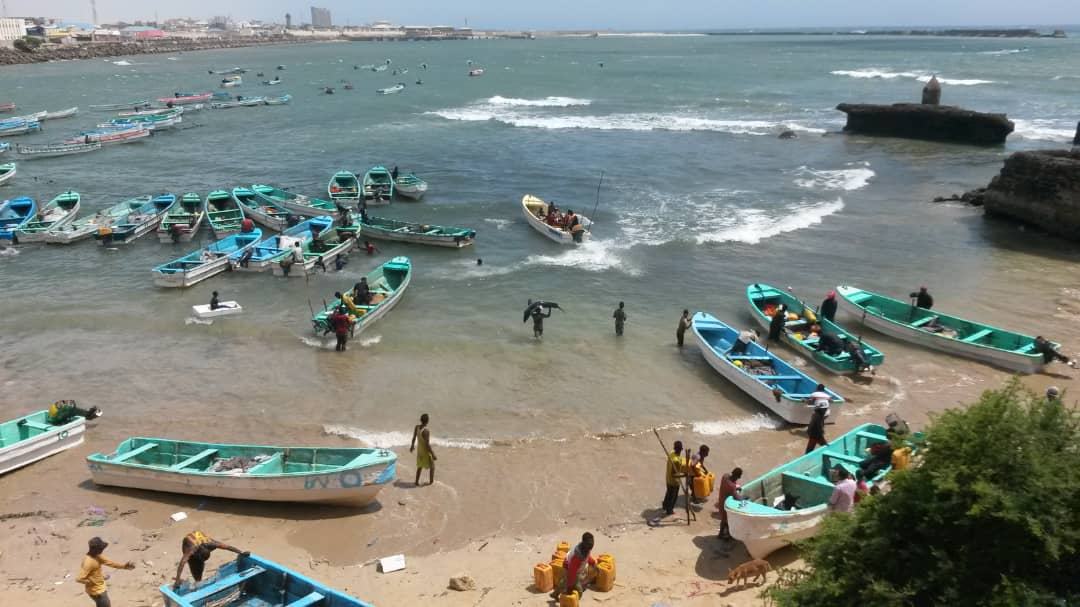
The study, which was published in Nature family journal Scientific Reports, used a high-resolution ocean model together with a model of the marine food web to project how the Somali upwelling, and the fish communities it supports, could change through the course of the century under a high-emissions climate scenario. Led by NOC's Dr Zoe Jacobs, with contributions from colleagues at NOC, Bolding & Bruggeman ApS and MacAlister Elliott & Partners Ltd.
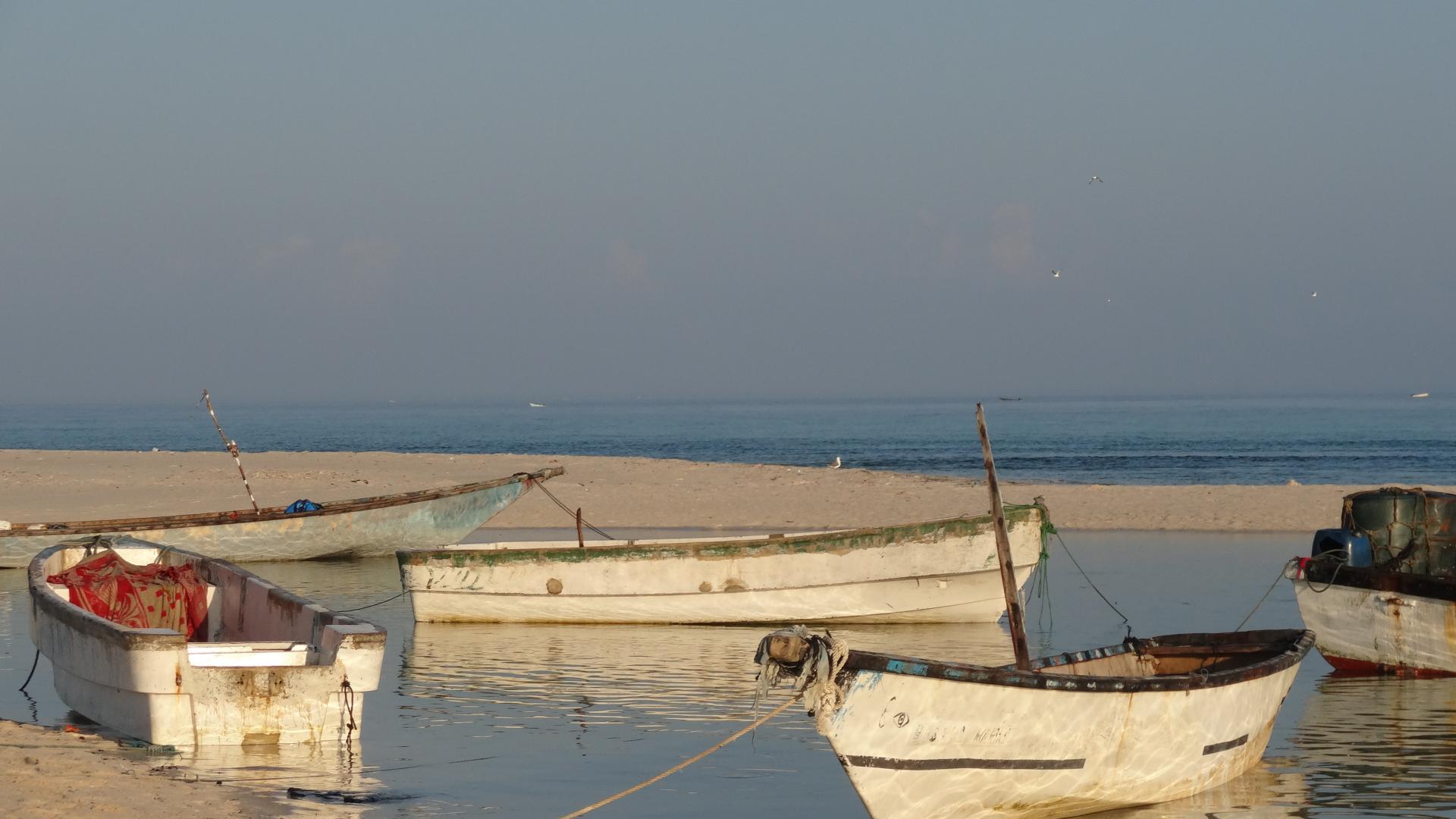
Every year between May and September, the southwest monsoon drives strong winds along the Somali coast, pulling cold, nutrient-rich water up from the deep ocean in a process known as upwelling. At its seasonal peak, this is the most intense upwelling system anywhere in the global ocean, fuelling plankton blooms that ripple up the food chain to support both small-scale artisanal fishing communities working close to shore and larger industrial fleets further offshore.
Much of that offshore productivity is concentrated in the Great Whirl, a giant rotating eddy that forms each monsoon season as the Somali Current sweeps away from the coast. The study projects that, by the end of the century, nutrient concentrations in the Great Whirl will fall by 47% and productivity by 26%, driving an estimated 20% decline in total fish biomass across the region.
Small pelagic fish such as sardines and anchovies, which are a key food source for large pelagic species, including tuna, are projected to be worst affected, with local declines of more than 40% in places. This shift will have significant consequences for the international bodies that manage both small and large pelagic fisheries, including the Indian Ocean Tuna Commission.
The Somali upwelling is one of the most productive marine ecosystems on the planet, but it's also one of the least studied, so we wanted to understand what climate change actually means for the people and fleets that depend on it. By using a much higher-resolution model than is typically applied to this region, we've been able to show that its future isn't uniform. The coastal waters that artisanal fishing communities rely on look set to be relatively unchanged, while the offshore waters targeted by industrial and foreign fleets face substantial declines. That distinction matters hugely for how this region plans for the future.
Dr Zoe Jacobs, lead author and a senior scientist at NOC
By contrast, the researchers identified a narrow band of coastline north of 8°N where productivity is projected to increase rather than decline, as shifting monsoon winds push the Somali Current and the Great Whirl northwards over the course of the century. This inner coastal zone shows little to no projected decline in fish biomass, suggesting it could act as a climate refuge, meaning coastal and artisanal fishing fleets may be far less affected by these changes than industrial fleets working further offshore.
Global climate models simply aren't built to resolve a system as complex as the Somali upwelling. By using a much higher-resolution model, we've been able to capture the fine detail of features like the Great Whirl and show that some areas may decline steeply while others could even benefit. That level of nuance is essential if this research is going to be useful for managing fisheries and supporting coastal communities, rather than just describing a problem.
NOC's Dr Ekaterina Popova, co-author of the study
Reliable catch data for Somali fisheries remain extremely limited, making it difficult to fully assess how these projected ecosystem changes will translate into impacts on livelihoods. Continued investment in high-resolution regional modelling is required, alongside international collaborations such as the Fisheries and Marine Ecosystem Model Intercomparison Project (FishMIP), to build a clearer picture of the risks facing this and other data-sparse fisheries as the ocean continues to change.
The research forms part of NOC's wider programme of work to understand how climate change is reshaping ocean ecosystems and the communities and economies that depend on them, contributing evidence to support fisheries management and climate adaptation planning across the Western Indian Ocean and beyond.
Notes to editors
Publication
Jacobs, Z. L., Jebri, F., Bruggeman, J., Baker, C., James, F., Srokosz, M., Yool, A., Loveridge, A., Popova, E. (2026). The future fate of Somali upwelling productivity and the implications for fisheries under climate change. Scientific Reports, 16, 27734. https://doi.org/10.1038/s41598-026-55455-3
Research institutions
The research was led by the National Oceanography Centre (NOC), with contributions from Bolding & Bruggeman ApS as part of the SOLSTICE project in combined funding with The World Bank. The study used the NEMO-MEDUSA high-resolution (quarter-degree) ocean and biogeochemistry model, combined with a Community Size Spectrum Model of the marine food web, to project changes in the Somali upwelling region to 2099 under the RCP8.5 high-emissions scenario.
Images Credit: MacAlister Elliott & Partners
Be part of the community helping our ocean thrive.