


The National Oceanography Centre (NOC) has supported an estimated £1.3 billion* of economic value for the UK and around 1,500 jobs a year, according to an independent report launched yesterday at a parliamentary reception in Westminster.
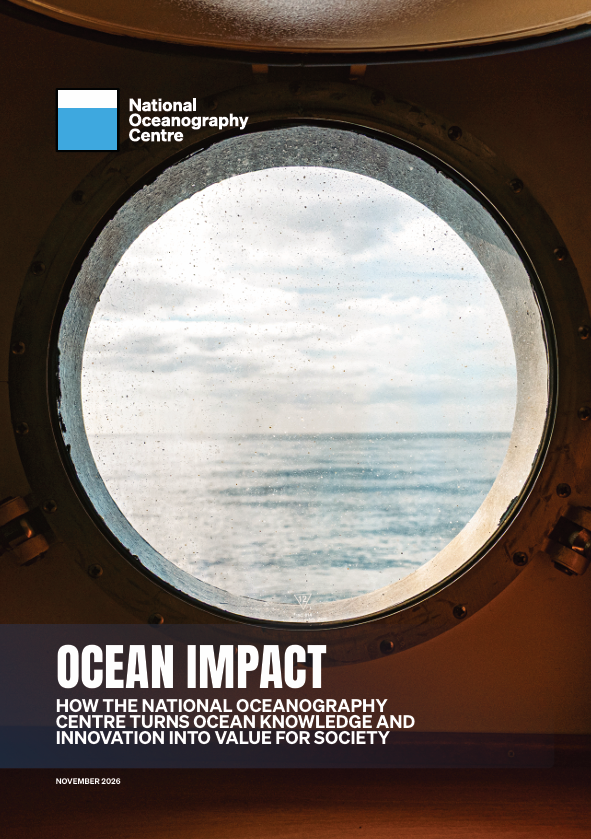
The report, ‘Ocean Impact, how the National Oceanography Centre turns ocean knowledge and innovation into value for society’ produced by economic and research consultancy SQW, assessed NOC’s contribution to the economy and society between October 2021 and September 2025. It estimates an indicative return of around £5 for every £1 of UK Research and Innovation (UKRI) funding invested in NOC.
Of the jobs supported each year, around 700 are in Hampshire and the Solent and around 170 are in the Liverpool City Region.
Some of NOC’s most important impacts are not captured in the economic figures alone. Its data informs the Environment Agency’s operation of the Thames Barrier, which protects more than 1.4 million people and £320 billion of residential property. Observations from NOC’s autonomous vehicles and ocean floats feed into Met Office weather forecasts and storm surge warnings.
NOC’s research on subsea cables also helps to protect the infrastructure that carries more than 90% of the UK’s international data traffic, work that is increasingly important to national security.
Much of what the ocean does for us remains unseen. This report shows how investment in ocean science delivers benefits felt far beyond our coastlines, from protecting communities and critical infrastructure to supporting innovation and national security. The question is not whether the ocean matters. It is whether we are prepared to invest in the knowledge, capability and partnerships needed to understand it and use that understanding wisely.
Professor John Siddorn, CEO of the National Oceanography Centre
Commercial income at NOC rose more than sevenfold in four years, from £1.1 million to £8.3 million, with around 350 UK organisations using NOC’s services in sectors from offshore energy to insurance and defence. NOC’s Innovation Hub in Southampton has also supported the growth of 15 start-ups.
Internationally, NOC was the only non-government member of the UK delegation that negotiated the Biodiversity Beyond National Jurisdiction (BBNJ) Agreement, and its oceanography research is cited more than three times as often as the global average.
The Ocean Impact report shows what sustained public investment in national research capability delivers. NOC's science, people and infrastructure help protect communities, support growth and strengthen the UK's resilience, and this report makes that contribution clear.
Professor Sir Ian Chapman, Chief Executive, UK Research and Innovation (UKRI)

Darren Paffey, Member of Parliament for Southampton Itchen, said, “Southampton has a proud maritime history, and the National Oceanography Centre is a big part of its future. This report shows that ocean science supports hundreds of skilled jobs in our city and across the Solent, while helping to protect communities and keep the UK safe. As the MP for Southampton Itchen, I have been delighted to work with our marine and maritime industries and showcase their value nationally and internationally. I am pleased to see the publication of NOC’s important report, and I was delighted to host its launch in Parliament.”
*The £1.3 billion figure combines £455 million of value from NOC’s operations and commercial activities with £826 - 853 million in long-term economic benefits expected from its publicly funded research. All figures are accurate as of 2025.
Read the full report here: NOC Impact Report
Be part of the community helping our ocean thrive.