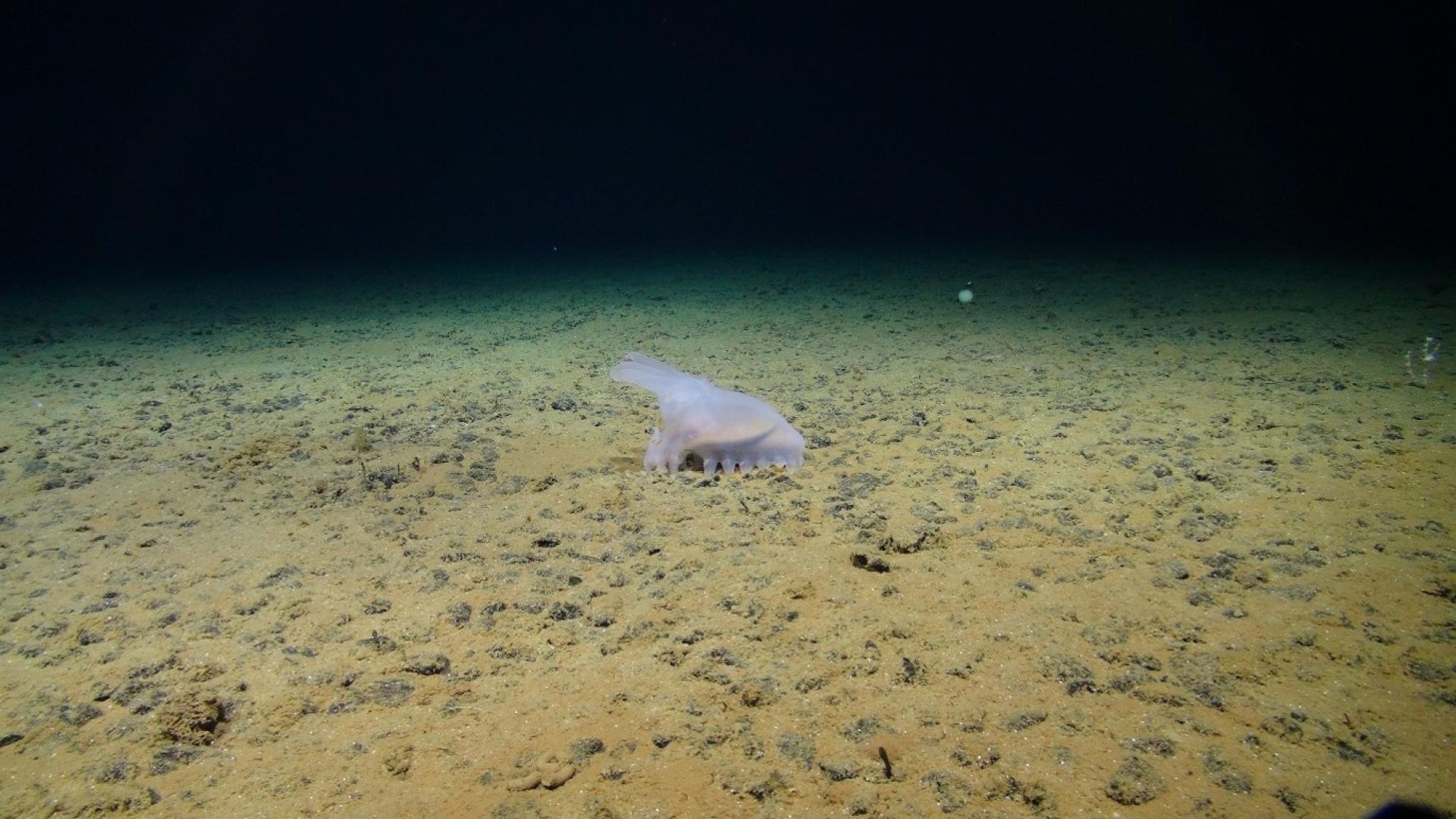
A new study led by the UK’s National Oceanography Centre (NOC) has revealed that animals living on the deep-ocean floor may play a vital role in maintaining polymetallic nodules, which contributes to the biodiversity in abyssal ecosystems.
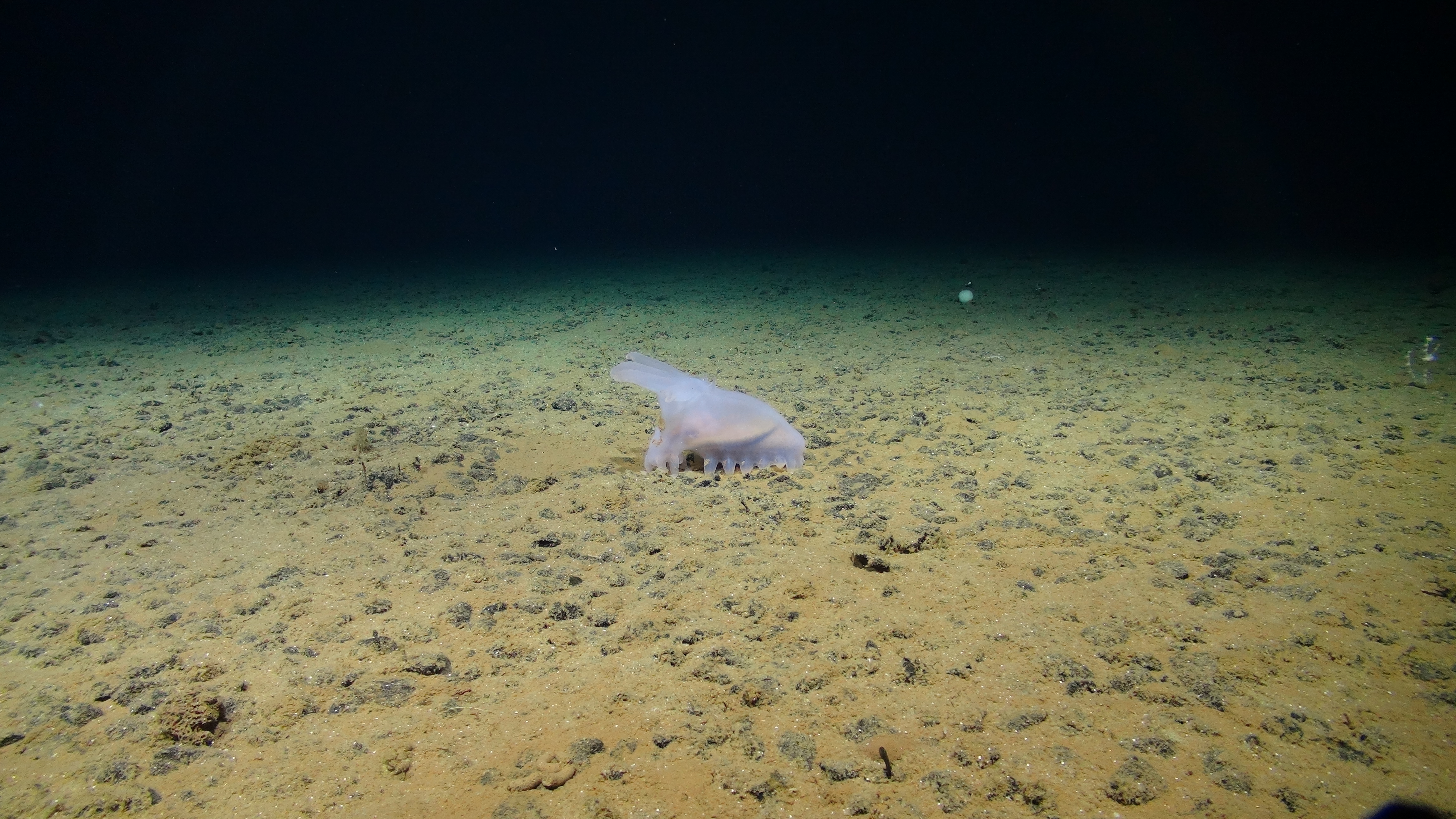
Polymetallic nodules, potato-sized mineral deposits found scattered across vast abyssal plains, form over millions of years, providing a rare habitat for a wide variety of deep-sea species. However, scientists have long questioned how nodules remain exposed on the seafloor rather than becoming buried by sediment over time.
Using seabed time-lapse photography, researchers observed several species actively removing sediment from nodule surfaces, including sea cucumbers and gastropods. They also documented the activity of animals living in the sediments of the ocean floor lifting nodules from beneath.
By analysing the extent of animal movement across the seafloor, the team estimated that sediment could be removed from and nodules uplifted across the entire study area within one to two decades. The findings suggest that everyday activities of deep-sea animals may play a significant role in preventing nodule burial, supporting a hypothesis first proposed more than 40 years ago.
The study highlights how little is still known about the processes that sustain deep-sea ecosystems and demonstrates the importance of understanding not only which species live in these environments, but how they interact with and shape their habitats. Such insights are especially important when considering the potential effects of deep-sea mining, as disrupting these communities could affect the natural processes that help preserve nodule habitats over time.
Dr Loïc Van Audenhaege, lead author of the study, said: "We are only beginning to uncover the hidden processes that sustain deep-sea ecosystems. This study shows that the routine behaviour of deep-sea animals may help keep polymetallic nodules exposed on the seafloor, maintaining habitats that support a rich diversity of life. Understanding these interactions is essential for predicting ecosystem resilience”.
The findings add to a growing body of research aimed at improving understanding of deep-sea ecosystems, their baseline conditions and their response to environmental change and human activities.
The study also identifies new opportunities to monitor ecosystem functioning in the deep sea, helping scientists develop a more holistic understanding of abyssal ecosystem health, resilience and long-term dynamics.
Understanding the role of species that act as ecosystem engineers could help improve predictions of how nodule-field ecosystems respond to disturbance, supporting evidence-based approaches to deep-sea environmental management.
Read the study here: https://authors.elsevier.com/sd/article/S0960-9822(26)01323-0
Learn more about the SMARTEX project: https://smartexccz.org/
Be part of the community helping our ocean thrive.